
Aspen · United States
Aspen Art Museum's Summer 2026 Programme Explores Myth, Memory and Material
Three distinct voices examine human origins, queer experience and craft traditions
Archaeologies of Human Experience
The Aspen Art Museum has unveiled its summer 2026 programme, bringing together three distinct artistic voices whose practices interrogate different facets of human experience. The exhibitions form part of the museum's ongoing AIR initiative, which returns to Aspen from 27 to 31 July 2026.
Adrián Villar Rojas: First Gods, Lost Animals
Running from 2 July 2026 through 11 April 2027, Villar Rojas's solo presentation occupies two floors with an immersive environment that functions as both geological formation and cultural repository. The Argentine artist constructs a cave-like space where mineral deposits meet human ritual, proposing alternative narratives to traditional accounts of artistic origin. Central to the installation is a life-size triceratops skull, co-commissioned with Audemars Piguet Contemporary, which imagines an encounter between Homo sapiens and Neanderthals as a potential moment of symbolic transmission. Curator Claude Adjil frames this as a challenge to anthropocentric assumptions about creativity's emergence.
Arch Connelly: Straighten Your Wig and Pray
Opening 12 June 2026 and continuing through 11 October, this survey represents the first comprehensive museum examination of Connelly's work since his death in 1993. The Chicago-born artist, who gained prominence in New York's East Village during the 1980s, transformed Minimalist and Pop vocabularies through camp aesthetics and craft sensibilities. Despite addressing the era's darkness and fragility, Connelly's paintings and sculptures maintain joy and beauty as vital forces. The exhibition brings together pieces unseen for over three decades, assembled through extensive research into private collections and oral histories. Stella Bottai and Daniel Merritt have organised the show, supported by Maison Valentino and J.P. Morgan Private Bank.
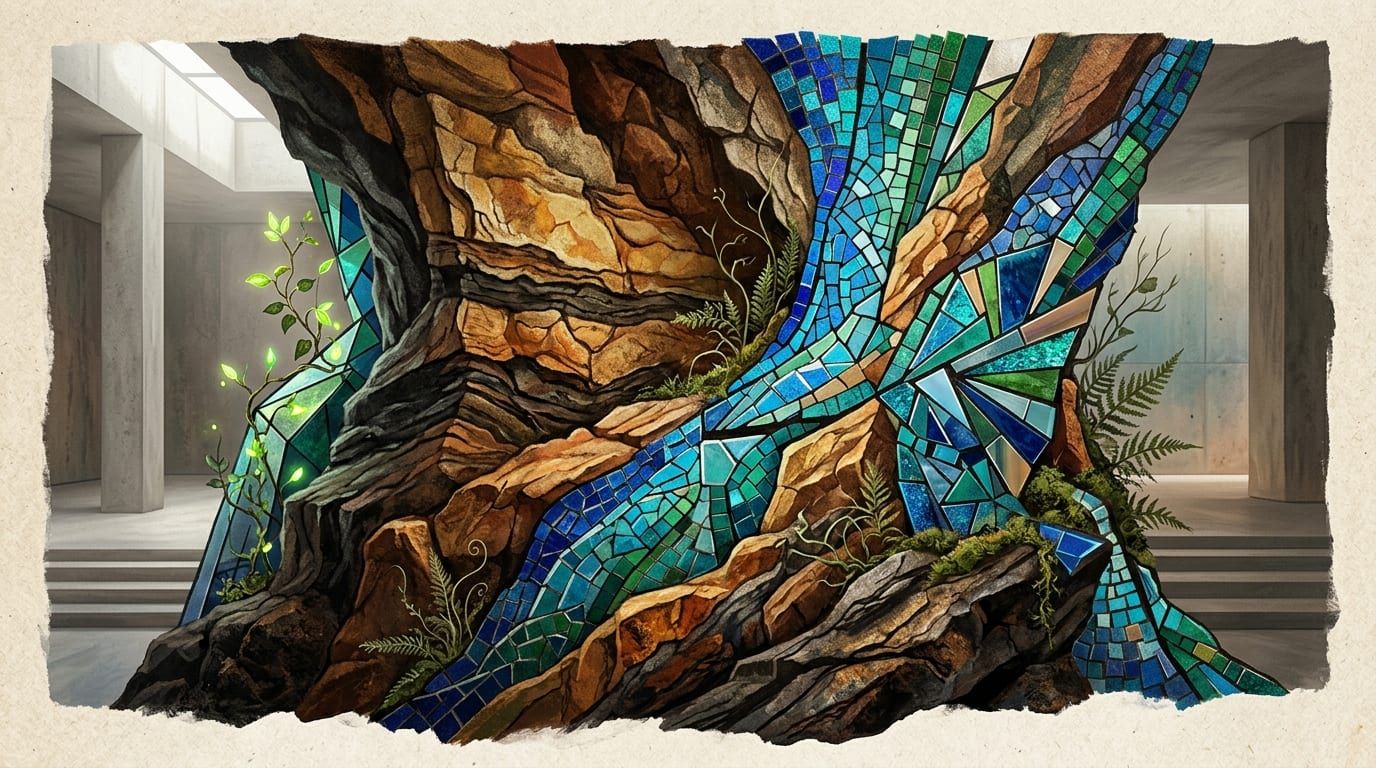
Kerstin Brätsch: Fossil Psychic Stone Mimicry (Aspen)
From 20 May 2026 until 31 March 2027, Brätsch's rooftop commission introduces four sculptural mosaic benches that extend her ongoing Fossil Psychics series. Employing stucco-marmo techniques dating to 17th-century Italy, the German artist renders fossils and fantastical creatures in vivid colour. Unlike traditional static works, these benches incorporate growing vegetation, allowing the installation to evolve throughout its year-long display. The living elements create a dialogue between historical craft methods and contemporary environmental concerns. Stella Bottai, Daniel Merritt and Nicola Lees have overseen this rooftop intervention.
Institutional Support
The museum's programming receives backing from the Marx Exhibition Fund, while artist residencies are supported through the Beckmann Kotzubei Artist Residency Fund. Additional funding comes from the Aspen Art Museum Exhibition Circle and National Council.
These concurrent exhibitions demonstrate how material culture can serve as both archive and oracle, examining how meaning accumulates across time through geological processes, personal testimony and artisanal knowledge.
Related reading

Aspen Art Fair Prioritises Immersion Over Expansion
How a boutique mountain event redefines the summer fair circuit through community focus and curated restraint
Amidst a crowded summer calendar, the Aspen Art Fair cultivates an intimate, nature-infused experience that favours curated restraint over commercial scale.
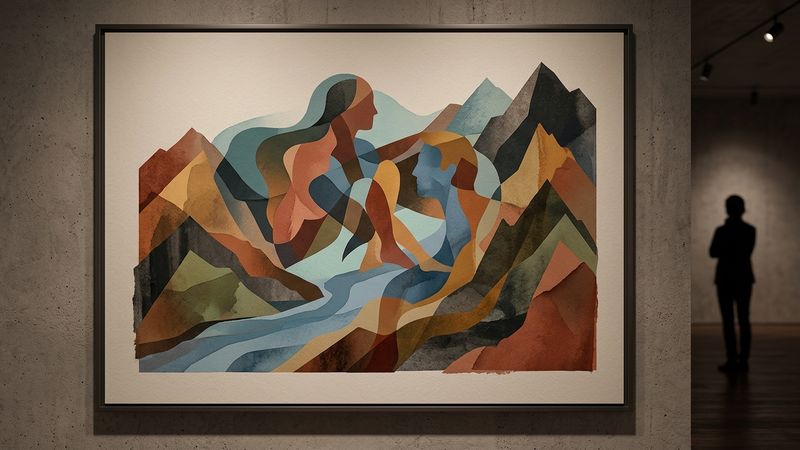
AIR 2026: Figures in a Landscape Returns to Aspen's Mountain Setting
Interdisciplinary festival examines the shifting dynamics between human presence and natural environment through new commissions and performances
Aspen Art Museum's annual gathering brings together artists, writers and thinkers to explore how staging and intervention shape our understanding of place and power in the Rocky Mountain setting.
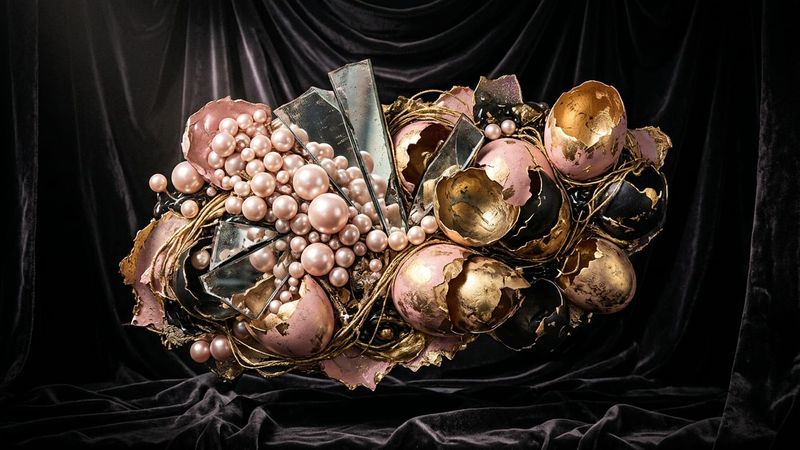
Arch Connelly's Theatrical Legacy Revisited at Aspen Art Museum
A posthumous survey celebrates the overlooked artist's camp-infused works and East Village connections
The late Arch Connelly's first museum retrospective showcases his faux pearl sculptures, theatrical collaborations, and enduring influence on 1980s New York's queer art scene.