
Bogota · Colombia
Bogotá's Museo Nacional presents over 1,000 repatriated pre-Columbian artefacts in landmark exhibition
Pasados en retorno brings together objects recovered from 13 countries, highlighting both successful returns and ongoing disputes with European institutions
A monumental return
Bogotá's Museo Nacional de Colombia has assembled an extraordinary collection of 1,194 pre-Columbian artefacts for its current exhibition, marking the largest public display of repatriated cultural objects in the nation's recent history. Titled Pasados en retorno. Repatriación del patrimonio arqueológico, the show runs until 23 August and represents four years of sustained diplomatic and legal effort under the outgoing administration of President Gustavo Petro.
The artefacts, recovered from thirteen countries, tell a story of both voluntary returns and hard-fought legal battles. Approximately 80% were willingly returned by private collectors and institutions, while the remainder required government intervention after being traced to auction houses or illicit trafficking networks.
Geographical spread of returns
The United States contributed the largest number of objects (384), followed by Italy (208), Chile (174), Germany (149) and Canada (127). Additional pieces arrived from the UK, France, Switzerland, the Netherlands, Peru, Costa Rica, Venezuela and New Zealand, demonstrating the international scope of Colombia's repatriation programme.
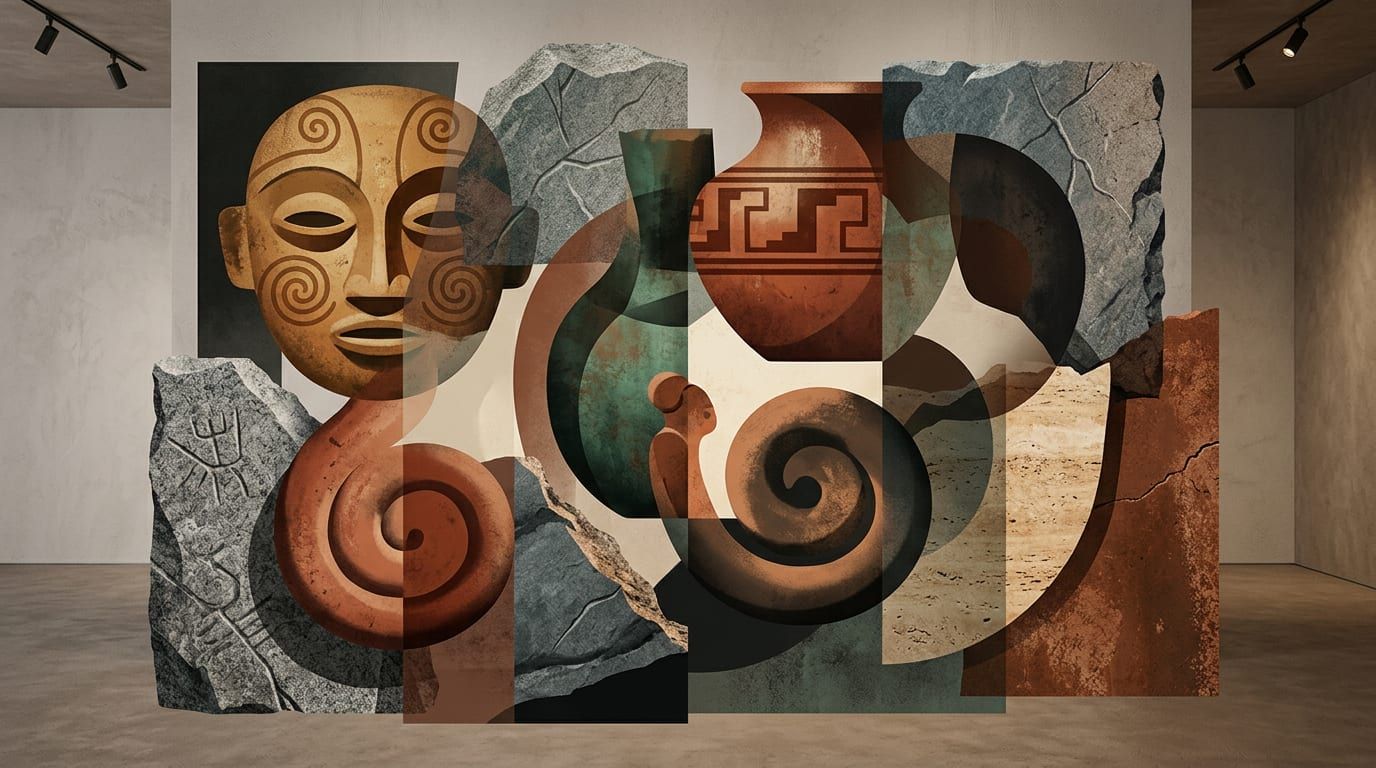
The exhibition brings together ceramics, sculptures, funerary objects, anthropomorphic figures, necklaces and amulets representing at least fourteen archaeological regions. These items, crafted from diverse materials using various techniques across different periods, preserve ancestral knowledge stretching back to 2000BC.
Individual acts of conscience
Natalia Angarita, the museum's archaeology curator, highlights the voluntary return of an entire collection from the Museum of Anthropology at the University of British Columbia in Vancouver. "This demonstrates how some museums are reconsidering their institutional responsibilities," she notes, pointing to evolving attitudes towards cultural ownership, particularly among institutions in the Global North.
Most returns, however, stemmed from individual decisions. Jessica Lawrence in the United States and Michelle Guigoz in Switzerland chose to return inherited artefacts rather than retain them. As Angarita observes, both recognised that their families had acquired these objects during an era when concepts of cultural heritage differed markedly from today's understanding.
Institutional collaboration
The exhibition, organised in partnership with the Colombian Institute of Anthropology and History (ICANH) and the ministries of culture and foreign affairs, frames repatriation as part of a broader heritage protection strategy. The Grupo de Patrimonio Cultural Mueble, responsible for overseeing Colombia's anti-trafficking programme, emphasises that each recovered piece represents months of technical, legal and diplomatic work.
Notably, the government employed both presidential aircraft and the naval training ship ARC Gloria to transport these cultural treasures home.
Unresolved claims
Despite the successes on display, Pasados en retorno also acknowledges ongoing disputes. Two prominent cases remain unresolved: the Quimbaya Collection at Madrid's Museo de América and the San Agustín stone sculptures held by Berlin's Ethnological Museum.
The Quimbaya Collection, comprising 122 artefacts gifted to Spanish Queen María Cristina in 1893, presents particular complexities. "We are re-evaluating whether that gift was appropriate," Angarita explains, considering the items' significance, provenance and the historical context of their transfer.
Similarly, the San Agustín sculptures generate strong domestic demand for their return, yet remain largely unseen in Berlin's storage facilities rather than on public display. Both cases are subject to court rulings requiring continued government pursuit of repatriation.
As Colombia prepares for a new administration under Abelardo de la Espriella, who assumes office on 7 August, these unresolved claims underscore that the work of cultural restitution extends far beyond individual exhibitions, representing an ongoing dialogue between nations about ownership, memory and justice.
Museums mentioned
Related reading

São Paulo's MAM Returns With Landmark Art Survey After Renovation
The 39th Panorama of Brazilian Art opens the renovated pavilion, exploring representation through contemporary practice.
Following a lengthy refurbishment, the iconic institution welcomes its historic recurring survey, featuring thirty-three emerging voices tackling questions of identity and form.
Ukrainian Museum Celebrates Half-Century With Community-Led Lobby Project
Molly Gochman transforms archive fragments into a projected collage marking five decades of cultural preservation
As the institution turns fifty, an immersive lobby installation invites locals to contribute personal artefacts, weaving private histories into a broader narrative of Ukrainian heritage and resilience.
Vancouver Art Gallery Confirms Dual Leadership Model with Permanent Co-Chief Executives
How a paired executive arrangement is reshaping governance at Canada's premier visual arts institution
Following financial restructuring and leadership changes, the Vancouver Art Gallery formalises its dual chief executive arrangement.