
Exhibo Editorial
A First-Timer's Guide to Navigating Any Art Fair
A step-by-step handbook for surviving the sensory overload of contemporary art fairs, engaging with dealers, and finding your first piece.
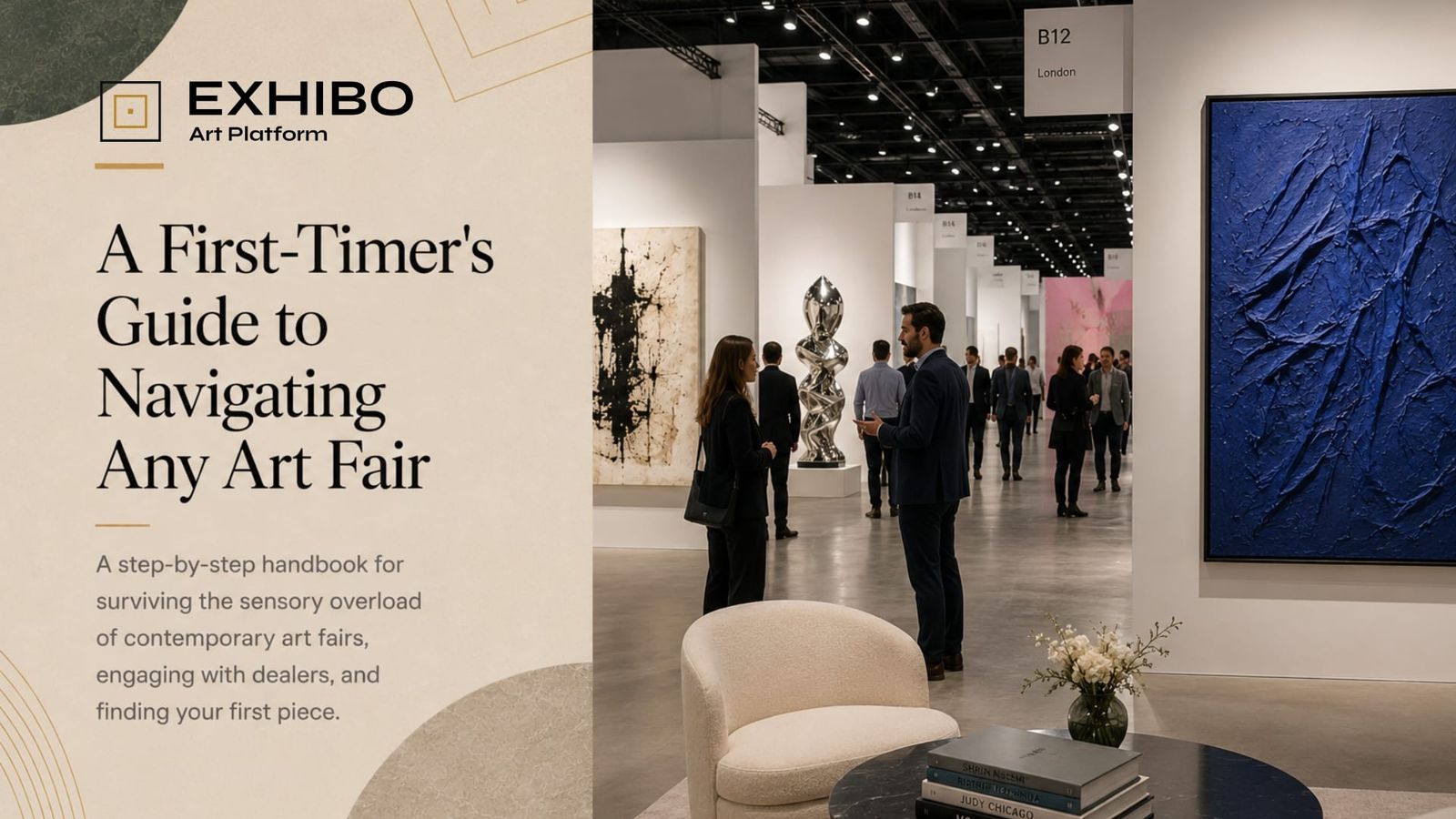
Stepping into a major contemporary art fair can feel like walking onto a busy, international trading floor. With hundreds of commercial galleries displaying thousands of artworks in a single, massive hall, the scale of these events is designed to impress, but it can easily overwhelm. For first-time visitors, the sensory overload of bright lights, competing colors, and crowded aisles can make it difficult to appreciate the art, let alone make a confident purchase.
However, with a clear strategy and a basic understanding of how the art market operates, anyone can turn an intimidating fair into a rewarding educational and social experience. Whether you are visiting Frieze London, Art Dubai, or a local boutique fair, success lies in your preparation, your pace, and your willingness to engage with the creative community. This guide offers a practical handbook for navigating your first art fair, helping you plan your visit, speak with dealers, and find original works with confidence. To help you bridge the gap between online research and physical exploration, Exhibo functions as your digital companion, offering a curated directory of galleries and exhibitions to help you map your cultural journey.
The modern art fair environment
Over the last decade, art fairs have evolved from simple industry trade shows into major cultural festivals that define the social calendar of their host cities. Fairs are no longer just for elite collectors and dealers; they now attract artists, designers, students, and curious members of the public who want to see the latest trends in visual culture. This democratization has made the events far more lively and accessible, but it has also increased the density of the crowds and the volume of visual information on display.
In 2026, the art market is seeing a strong return to tactile, physical mediums. Collectors are increasingly rejecting over-polished digital prints in favor of works that show clear signs of human craft—such as textured paintings, ceramics, and layered textile works. Experiencing these material qualities requires physical presence, making the art fair an indispensable venue for viewing a wide variety of works in a single afternoon.
However, because of the sheer scale of modern fairs, attempting to see everything without a plan is a guaranteed recipe for physical and mental exhaustion. To get the most out of your visit, you must treat the fair as a curated city, using digital tools to pre-plan your route before you step onto the floor. By organizing local gallery rosters and providing detailed maps of creative zones, discovery platforms like Exhibo help beginner collectors transition from passive online browsing to structured, physical exploration.
Pre-fair preparation: Setting your objectives
The key to surviving and enjoying any major art fair is the work you do before you arrive. Without clear objectives, you are likely to wander aimlessly, experiencing visual fatigue before you have even seen half of the exhibition halls.
Clarifying your budget and boundaries
Before purchasing tickets or entering the exhibition halls, you must establish a firm spending limit. The competitive, high-energy atmosphere of an art fair can easily pressure buyers into making impulsive, emotional purchases that they may regret later. Knowing your absolute financial limit keeps you grounded, allowing you to view the works objectively without getting caught up in the excitement of the crowd.
When calculating your budget, remember to account for additional costs that are rarely included in the initial gallery price tag. These extras can include local sales tax or VAT, import duties for international acquisitions, professional framing, and specialized art shipping. Clarifying these extra costs with the dealer before finalizing any transaction will prevent unexpected financial surprises later on.
If you are visiting purely to learn and have no intention of buying, set a formal "zero-pound budget" for yourself. Approaching the fair with this mindset removes the pressure to transact, allowing you to treat the entire event as a giant, temporary museum. You can focus entirely on educating your eye, identifying styles you love, and noting down galleries for future reference.
Researching the gallery roster
Major art fairs can host anywhere from fifty to over two hundred separate gallery booths, making it impossible to give every exhibitor your full attention. Spend an hour during the week leading up to the fair reviewing the exhibitor list on the official fair website. Most fairs group galleries into distinct sectors—such as established main galleries, emerging spaces, and solo artist presentations—which can help you narrow down your focus.
Group the galleries you want to visit by their physical locations in the hall, creating a simple walking map that minimizes unnecessary back-and-forth travel across the concrete floors. Focus your attention on a maximum of fifteen to twenty galleries that align with your personal interests, leaving the rest of your time open for casual discovery.
Using online art directories and platforms like Exhibo allows you to research these galleries and their represented artists before you arrive. Understanding an artist's background, education, and career progress beforehand makes your physical encounter with their work far more meaningful. It gives you a conceptual framework that enriches your viewing experience on the fair floor.
Understanding ticket tiers and timing
Art fairs operate on highly structured schedules, with different ticket categories granting access at specific times. The first day or two of the fair are typically reserved for VIP preview ticket holders, including museum directors, art advisors, and established collectors. These preview days are quiet, professional, and geared entirely towards serious transactions, with many of the best works selling within the first few hours.
For first-time visitors, the general public days offer a more relaxed, celebratory atmosphere, though the halls can become incredibly crowded on weekends. If your schedule allows, plan your visit for a Thursday or Friday afternoon. The halls are generally less crowded during these weekday hours, giving you the physical space to look at the art without being pushed along by the crowd.
Many major fairs now use timed-entry ticket slots to control visitor numbers and maintain a comfortable viewing environment. Be sure to book your ticket and arrival slot well in advance, as popular times can sell out quickly. Arriving precisely at your scheduled time ensures a smooth entry, allowing you to start your tour without long, exhausting queues at the registration desks.
Developing a physical strategy on the fair floor
Once you step through the entrance of the fair, the temptation to immediately stop at the first beautiful artwork is immense. However, to maintain your focus and energy, you must adopt a disciplined physical strategy.
The preliminary "first pass" technique
The most effective way to tackle a large art fair is to begin with a quick, non-stop walk through the entire venue. This "first pass" should take no more than forty-five minutes to an hour, depending on the size of the hall. During this initial walk, do not stop to read long artist biographies, ask for price lists, or have long conversations with gallery directors.
Instead, use this time to get an overall sense of the scale, quality, and major themes of the fair. Keep your phone in your hand and take quick photos of the booth numbers and artworks that immediately grab your attention, keeping your digital notes simple. This initial walk acts as a visual filter, helping you identify which areas of the fair deserve your close attention later on.
Using this technique prevents you from spending all your energy and budget in the first few booths near the entrance. It ensures that you maintain a balanced perspective, knowing exactly what else is on offer across the entire hall before you make any decisions. It is a highly professional way to approach a large-scale exhibition.
Resisting visual fatigue and sensory overload
Standing in front of hundreds of brightly lit, competing artworks causes a unique physical and mental exhaustion known in the art industry as "fair fatigue." The human brain is not designed to process so much intense visual information in a short period, and after a couple of hours, even the most spectacular paintings can begin to look mundane.
To combat this, schedule regular breaks away from the art halls. Spend fifteen minutes in the outdoor sculpture garden, the cafe, or the lecture theatre to rest your eyes and clear your mind. These breaks are not a waste of time; they are necessary for resetting your visual perception, ensuring that you return to the galleries with a fresh, critical eye.
Comfortable footwear and proper hydration are not optional extras; they are fundamental requirements for surviving a full day of walking on hard concrete floors covered in thin carpet. Carry a small bottle of water, wear supportive shoes, and do not hesitate to sit down on the public benches provided throughout the fair. Taking care of your physical comfort is the best way to maintain your concentration and enjoy the experience.
The selective "second pass" for deep viewing
After taking a rest break, you are ready to begin your "second pass," which is where the real work of collecting and critical appreciation happens. Pull out your phone or notebook, look at the photos and booth numbers you recorded during your first pass, and plan a direct route back only to those specific galleries.
This second walk is where you slow down and spend time observing the works in detail. Stand in front of each piece for at least two to three minutes, observing how the textures, materials, and colours interact under the gallery lights. Walk closer to examine the brushwork, step back to evaluate the scale, and consider how the piece would fit into your living space.
This structured, two-step approach ensures that your final evaluations are based on sustained interest rather than the initial excitement of a busy environment. It helps you filter out the decorative noise of the fair, focusing your attention on the works that carry genuine conceptual depth and personal resonance.
Engaging with gallery directors and artists
One of the most rewarding aspects of visiting an art fair is the opportunity to speak directly with gallery directors, curators, and occasionally the artists themselves. These conversations can provide invaluable context, demystifying the creative process and helping you build a professional network within the art world.
Overcoming the fear of the gallery booth
For many beginners, stepping inside a gallery booth and speaking to the staff can feel incredibly intimidating. The quiet, elegant presentation and the formal attire of the directors can create an atmosphere that feels exclusive or uninviting. However, it is important to remember that galleries are temporary retail shops, and the staff are there specifically to meet and assist interested visitors.
A simple, polite greeting is often enough to break the ice and start a conversation. You do not need to use complex art-world jargon or pretend to be an expert to get a dealer's attention; genuine curiosity is always welcomed. Asking a direct, simple question about the artist’s background or the inspiration behind a piece is a highly effective way to start a productive dialogue.
I remember standing in a packed booth at Frieze London, clutching a cheap paper guide and feeling completely out of place. When I finally gathered the courage to ask the dealer about a small ceramic piece, they spent ten minutes explaining the artist's studio process and how they sourced their clay, proving that curiosity is always valued over pretension.
Asking the right questions about the art
When speaking to a dealer about an artwork you admire, focus your questions on the context and history of the work rather than just the price. Understanding the story behind the piece will enrich your personal connection to the work, making it a far more meaningful addition to your collection.
Ask about the artist's education, their residency history, and whether they have any upcoming museum or independent gallery exhibitions. Inquire about the materials and techniques used, especially for complex mixed-media pieces or works on paper that might require special framing or conservation care over time.
You can also ask about the artist’s standing in the wider art market. Knowing whether their work is represented by other international galleries or if their pieces have been acquired by public museum collections can help you evaluate the long-term stability of their career, providing extra confidence for your purchase.
Requesting the "PDF list" and preview catalogues
Most galleries prepare detailed digital catalogues and preview lists before the art fair begins, which they use to pitch works to their established clients. If you are interested in an artist's work but are not ready to make a purchase, ask the gallery director for their "PDF list" or digital preview catalogue.
This list contains high-resolution images, dimensions, detailed materials, and prices of all the works available by that artist, including pieces that might be stored in the gallery's back room or studio. Having this digital document allows you to study the work in detail at home, away from the loud, competitive environment of the fair floor.
Getting on a gallery’s digital mailing list is also a great way to stay informed about their future exhibitions and new acquisitions. It helps you build a lasting relationship with the gallery, ensuring that you receive preview invitations and early access to new works long after the fair has ended.
Reading the pricing and transaction rules
Understanding how prices are displayed and how transactions are structured is essential for any first-time buyer at an art fair. While some galleries display prices clearly on a printed checklist at their reception desk, others keep their prices private, requiring you to ask the staff directly.
When looking at an artwork, you will often see small red dots placed on the wall next to the label. A red dot indicates that the artwork has been sold, while a red slash or half-dot indicates that the piece is currently "on reserve." If an artwork is on reserve, it means a potential buyer has been given a temporary option to purchase the work (usually for a few hours), allowing them time to measure their wall space or consult their partner.
If you are seriously interested in a piece that is on reserve, you can ask the dealer to place you on "second reserve." This means that if the first buyer decides not to proceed with the purchase, you will be given the immediate option to buy the work. It is a common practice at busy fairs, and many reserves do fall through, so it is always worth asking.
Negotiating on price is a common practice in the primary art market, but it must be handled with politeness and respect. It is generally acceptable for polite buyers to ask if there is any flexibility on the price, especially if you are a first-time collector or purchasing multiple works. Galleries will occasionally offer a modest discount of 5% to 10% to collectors who are serious about building a long-term relationship, or they may offer interest-free payment instalment plans over several months.
Navigating the modern shift toward physical-digital collecting
As we move through 2026, the process of collecting art has become a highly integrated hybrid experience, combining physical exploration with digital research. While the physical-digital shift initially focused on online sales platforms, contemporary collectors now use digital tools to enrich their physical gallery and museum visits.
This hybrid approach allows buyers to use digital directories to pre-discover artists, verify exhibition reviews, and check pricing trends before they even arrive at the physical venue. However, despite this digital convenience, the physical inspection of the artwork remains irreplaceable. Seeing the scale of a canvas, the depth of paint layers, and the subtle textures of clay or paper in person is necessary for making an informed, confident purchase.
codeCode
+--------------------------------------------------------+
|                THE MODERN HYBRID JOURNEY               |
|                                                        |
|   1. Discover Online (Exhibo Directory)                |
|      Explore local gallery listings & active shows     |
|                                                        |
|   2. Pre-Plan (Checklists & Artist Bios)               |
|      Select target booths & research artist careers    |
|                                                        |
|   3. Physical Inspection (Fair Floor / Gallery)        |
|      Assess material textures, scale, and details      |
+--------------------------------------------------------+
Using online platforms like Exhibo helps first-time collectors navigate this hybrid path by organizing local art ecosystems into a clean, searchable directory. Instead of relying solely on social media algorithms, users can use the platform to see what exhibitions are currently running in their cities, find detailed information about gallery opening hours, and research represented artists. By organizing and simplifying local gallery networks, the platform helps beginner collectors transition from passive online viewing to active, physical art exploration.
Essential checklist for your first art fair visit
To ensure a smooth, comfortable, and productive experience on the fair floor, it is helpful to prepare a small survival kit of physical items and digital resources. Having these essential tools on hand will save you time and energy, allowing you to focus entirely on the art.
To prepare for your first art fair visit, make sure to pack and check off these essential items:
Comfortable flat footwear: Hard concrete gallery floors covered in thin carpet can quickly cause physical fatigue, making supportive shoes an absolute necessity for walking the aisles.
A fully charged mobile phone: You will use your phone to take reference photos of artworks, record booth numbers, and coordinate your gallery route using digital maps.
A physical or digital notebook: Use this to record your personal reactions to the art, note down artist names, and list the contact details of galleries you wish to follow.
The Exhibo mobile directory: Access our curated online listings to cross-reference artist biographies, find active exhibitions, and explore nearby gallery districts.
A small bottle of water: Staying hydrated is crucial for maintaining your concentration and resisting visual fatigue during a long afternoon of viewing.
By keeping these simple tools on hand, you can avoid the physical discomforts that often ruin a gallery visit, leaving you free to enjoy the creative displays.
Comparing different sectors at an art fair
Most major art fairs organize their exhibition halls into distinct sectors, each catering to different types of galleries, artistic styles, and price points. The table below outlines what to expect from each sector, helping you plan your walking route based on your personal interests and budget.
Sector | Typical Focus | Price Range | Best Suited For |
Main Galleries | Established mid-career and historical artists represented by major global galleries | High to Extremely High (£10,000 – £500,000+) | Serious collectors looking for certified value and museum-quality works |
Emerging Spaces | Young, independent galleries showing newly graduated or early-career artists | Low to Medium (£1,000 – £8,000) | First-time buyers looking for fresh ideas, raw materials, and accessible prices |
Solo Presentations | Focused, museum-style booths dedicated entirely to a single artist's active project | Medium to High (£5,000 – £50,000) | Viewers wanting an in-depth understanding of a specific artist's creative process |
Editions & Prints | Hand-signed, limited edition screenprints, lithographs, and fine art photography | Low (£200 – £2,000) | Beginners looking to own pieces by famous, established names on a modest budget |
Frequently asked questions
Can I buy art directly from an art fair?
Yes, art fairs are commercial sales events, and almost all the artworks on display are available for purchase from the representing galleries. If you find a piece you love, you can discuss the transaction, framing, taxes, and shipping directly with the gallery staff working at the booth.
What should I do if an artwork does not have a price tag?
If an artwork does not have a price label on the wall, it is a common practice to ask the staff at the gallery's reception desk for the exhibition checklist. This printed or digital document lists the titles, dimensions, materials, and prices of all the works available in the booth, and it is open to any visitor.
Are children and families welcome at art fairs?
Yes, most contemporary art fairs are public events that welcome families, and many organize dedicated children's workshops, educational tours, and interactive installations during the weekend public days. However, due to the delicate and expensive nature of the artworks on display, close supervision of young children is required at all times.
How does Exhibo help me find art galleries near my location?
Exhibo acts as a dedicated digital discovery directory and map for contemporary art lovers. By organizing up-to-date listings on active exhibitions, gallery locations, and opening hours, the platform allows you to easily find art spaces near you, check their current programming, and plan your physical gallery-hopping routes with ease.
Exhibitions mentioned
Related reading
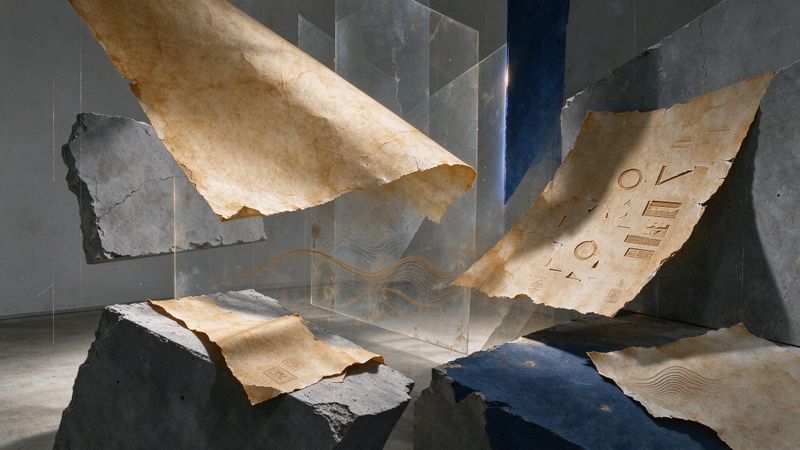
Sharjah Biennial 17 Unveils Curatorial Vision and Opening Schedule
Angela Harutyunyan and Paula Nascimento frame the 2027 edition around archival residue and spatial memory
The seventeenth iteration of the Sharjah Biennial runs from January to June 2027, presenting a dual curatorial methodology that examines historical legacies and infrastructural critique across multiple emirate locations.
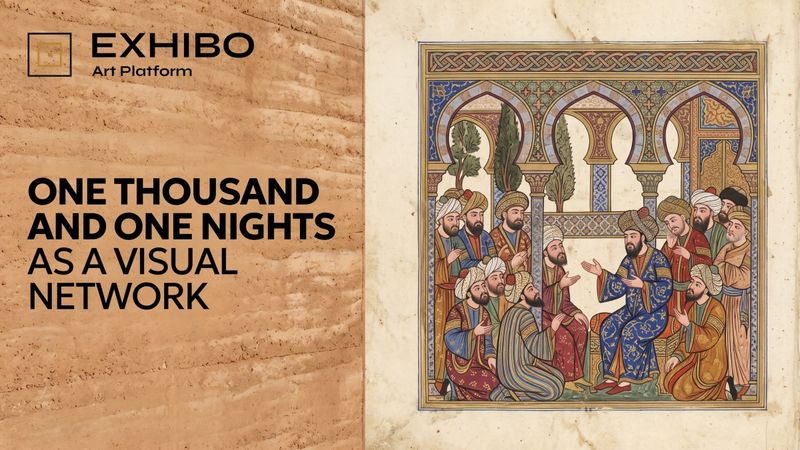
One Thousand and One Nights as a Visual Network
The book that taught Europe to picture the East arrived with no pictures at all. Three centuries of illustrators — Dutch, Egyptian, Persian, French, German, Iraqi — each gave it a face, and every face was a self-portrait.
Open Galland's Thousand and One Nights, the edition that conquered Europe, and there is nothing to look at: no genie, no lamp, not one illustration. The most visually imagined book in the world began blind — and because its text was never fixed either, no picture of it could ever be a copy.
Curating Tomorrow's Archive: Hamburger Kunsthalle Seeks Contemporary Collections Lead
A new permanent appointment will steer the museum's post-1960 holdings across paper, photography, and media formats.
The Hamburger Kunsthalle is inviting applications for a senior curatorial position focused on contemporary acquisitions, exhibition strategy, and digital collection management. Applications close October 2026 for a January 2027 start.