Directory listing — not yet managed by the museum. Spotted something wrong? Suggest an edit →

Musée Picasso Paris

Musée Picasso Paris

Le MaraisParis

The largest public Picasso collection in the world, in a 17th-century Marais mansion

About

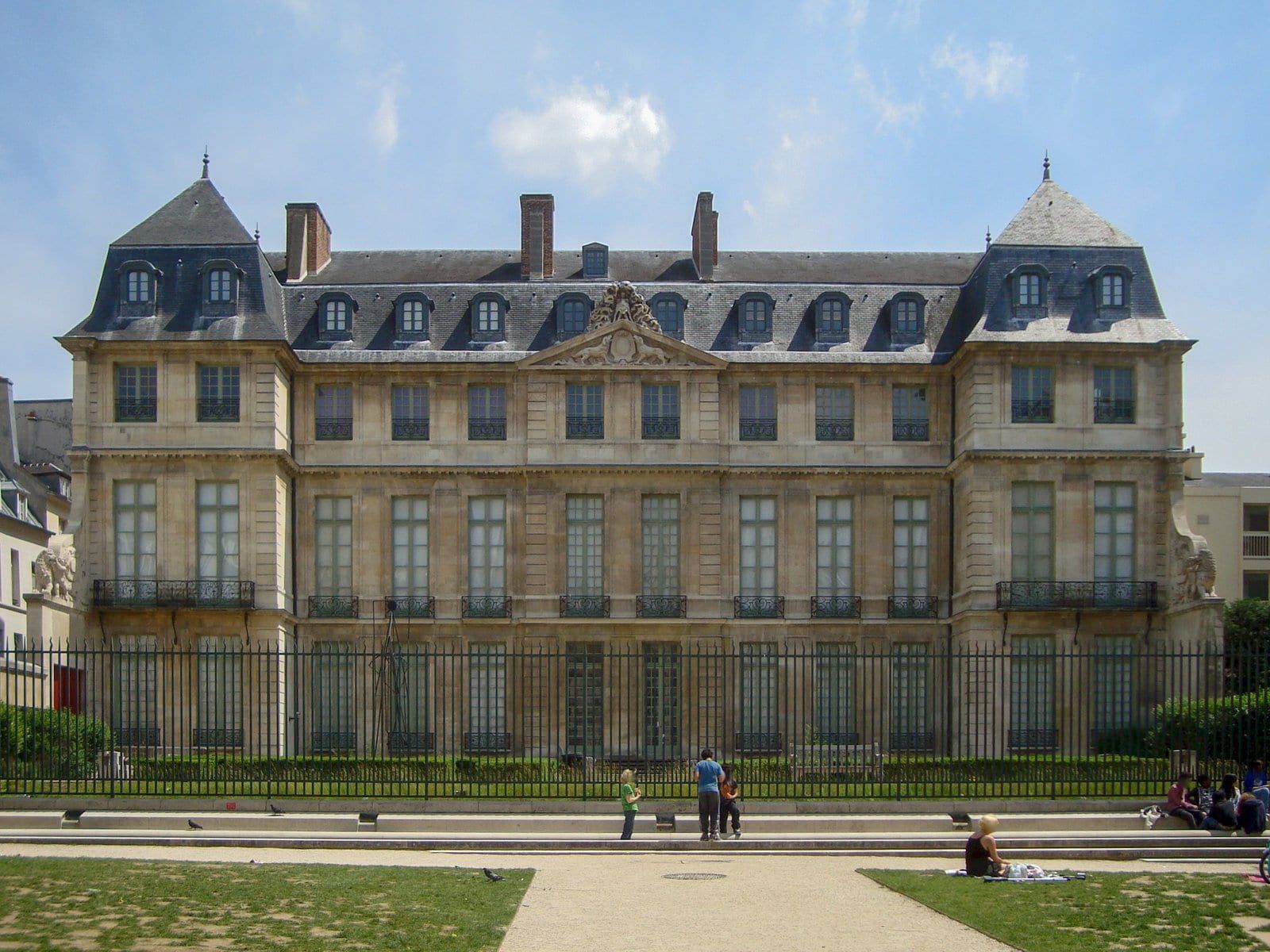
The Musée national Picasso-Paris holds the largest public collection of Pablo Picasso's work in the world. It occupies the Hôtel Salé at 5 rue de Thorigny in the Marais, in the 3rd arrondissement. The collection counts more than 5,000 works and some 200,000 archival documents. Among them are 297 paintings, 368 sculptures and three-dimensional works, about 1,719 drawings and sketchbooks, more than 2,370 prints and 17,000 photographs. Picasso's own library of more than 6,760 books is here too, as are 50 pieces of furniture by Diego Giacometti. The museum exists because of a tax law. After Picasso died on 8 April 1973, his heirs paid the inheritance tax in works of art instead of money. The procedure, called a dation, had been created in 1968 at the urging of André Malraux with Picasso's estate in mind. The 1979 dation was the first time French national collections were enriched this way. The heirs gave the State first choice. The result is a large group of the works Picasso kept for himself throughout his life. A second dation followed in 1990 after the death of his widow, Jacqueline Picasso. The museum also holds Picasso's personal collection of more than a hundred works by other artists, including Cézanne, Matisse, Renoir, Gauguin, Modigliani and the Douanier Rousseau, which he had wished to leave to France. The Hôtel Salé is one of the grandest seventeenth-century mansions in Paris. It was built between 1656 and 1659 for Pierre Aubert de Fontenay, a collector of the salt tax, which gave the house its name: salé means salty. Aubert was a protégé of Nicolas Fouquet. He fell with him in 1663. The house later held the embassy of the Republic of Venice, a boarding school where Balzac studied and the École centrale des arts et manufactures. The architect Jean Boullier de Bourges designed it around a curved courtyard. The great staircase, carved by Gaspard and Balthazar Marsy with Martin Desjardins, follows Michelangelo's plan for the Laurentian Library in Florence. The City of Paris bought the house in 1964. Roland Simounet converted it. The museum opened in October 1985. It reopened after a full renovation in 2014. The museum is open Tuesday to Sunday from 9:30 to 18:00. Entry is free on the first Sunday of each month.

Why this museum matters

Exhibo editorial

Go up the main staircase slowly. It was built for a salt-tax collector who wanted Paris to see how far he had risen. Four years after it was finished he fell with Fouquet, his patron. Now the walls around it hold the paintings Picasso kept for himself. That is the real point of this collection. These are the Picassos of Picasso, the works he kept with him until he died. His heirs gave them to France in place of inheritance tax, under a law written with his estate in mind. Because they offered first choice, the State could pick the strongest of what he had kept close. Look out for his own collection too. Picasso owned works by Cézanne, Matisse, Renoir and the Douanier Rousseau, picked up through swaps with friends and payments in paintings. Entry is free on the first Sunday of the month. On other days, book a time slot to skip the ticket line. The rooftop café keeps museum hours.

Visit

Hours, tickets, and directions for Musée Picasso Paris.

Address

Hôtel Salé, 5 rue de Thorigny, 75003 Paris

Opening hours

Monday
Closed
Tuesday
09:30 – 18:00
Wednesday
09:30 – 18:00
Thursday
09:30 – 18:00
Friday
09:30 – 18:00
Saturday
09:30 – 18:00
Sunday
09:30 – 18:00

Tuesday to Sunday 9:30–18:00 (last admission 17:15). Closed Mondays, 1 January, 1 May and 25 December. Free on the first Sunday of the month (official website).