Directory listing — not yet managed by the museum. Spotted something wrong? Suggest an edit →

Red Sea Museum

Red Sea Museum

Al-Balad HistoricJeddah

The Red Sea, pilgrimage and maritime Jeddah, in the restored Bab Al-Bunt sea gate

About

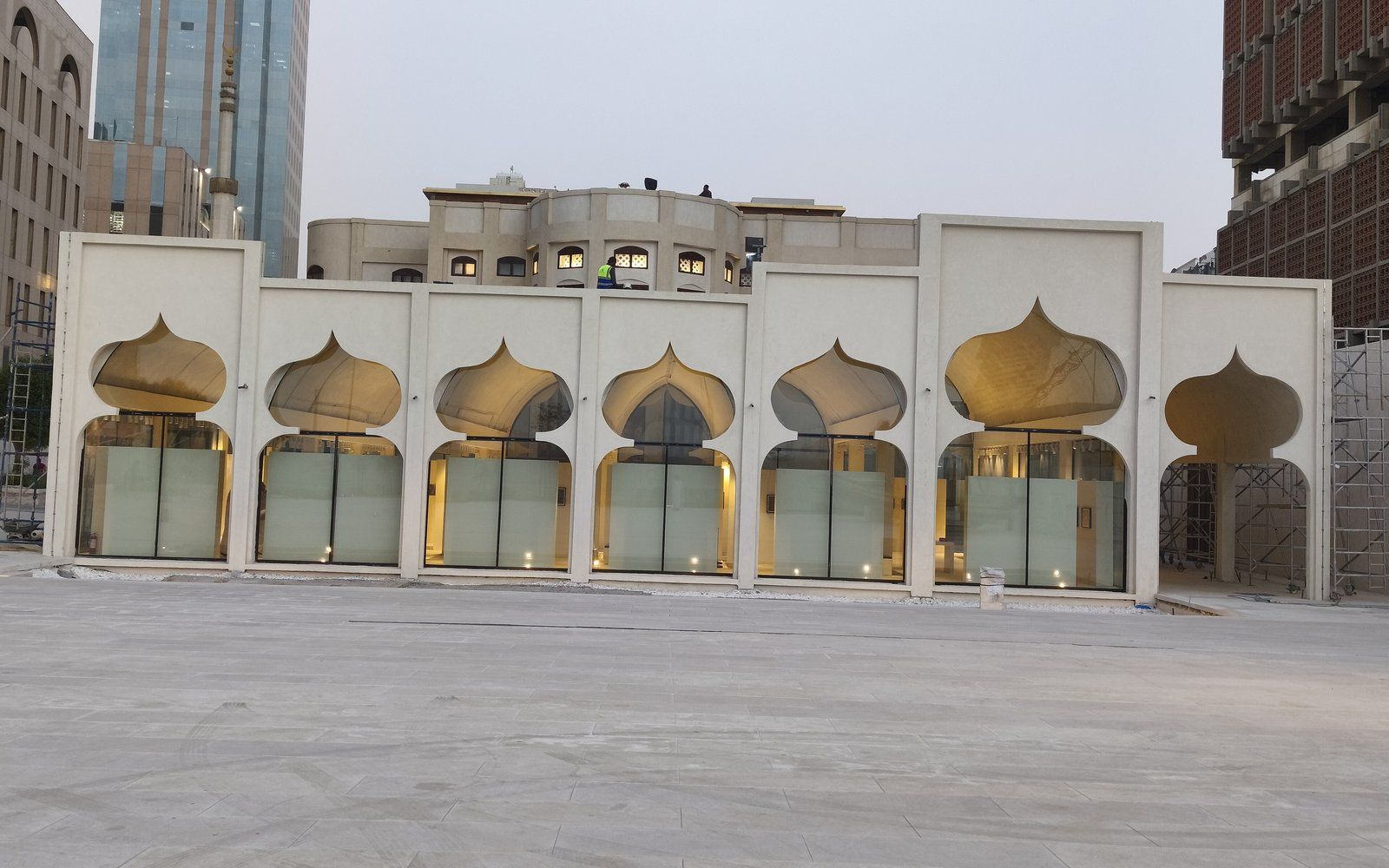
The Red Sea Museum tells the story of the Red Sea and of the city that grew up on its shore. It occupies Bab Al-Bunt, the old sea gate of Jeddah in Al-Balad, the historic centre. The museum opened on 6 December 2025 and is run by the Saudi Museums Commission under the Ministry of Culture. Bab Al-Bunt was built in 1866 as a small wooden structure and rebuilt as a large concrete gateway in the 1930s. For decades it was the city's main port. Pilgrims arriving by sea for Makkah and Madinah landed here, passed customs and medical checks, then continued inland. The building's pointed, double-curved arches were often the first thing they saw of Jeddah. When a new port opened in the later twentieth century, Bab Al-Bunt became municipal offices. It stood empty from around 2004, while land reclamation pushed the shoreline away from its arches. The Ministry of Culture restored the building as part of the regeneration of Historic Jeddah, a UNESCO World Heritage Site since 2014. The French architect François Chatillon led the work, using coral stone and wooden beams as in the original building and leaving the timber ceilings exposed. The museum has seven thematic sections in 23 galleries, with more than 1,000 objects: manuscripts, maps, coral specimens, archaeological finds and contemporary art. On the ground floor stands an eighteenth-century iron anchor weighing about 400 kg, found in fragments off Jeddah and reassembled for the museum. Upstairs, Chinese porcelain cups point to the Umluj shipwreck, found off the Saudi coast in 2007. Several contemporary works were commissioned for the museum. Manal Al Dowayan's We Are Coral, glass corals hung from the ceiling on ropes, is shown beside prayer beads carved from rare Red Sea black coral. Works by Ali Cherri, Mohammad Omer Khalil, Harry Gruyaert and Ahmed Mater are also on view. Temporary exhibitions are held beneath the arches of the old gate. The first, The Gate of Gates, showed photographs by Moath Alofi of the building as he found it just before restoration began.

Why this museum matters

Exhibo editorial

Stand outside first. These arches were the first view of Jeddah for generations of pilgrims who came by sea. The museum lets you take that same view. The sea itself has moved: reclaimed land now lies where boats once came up to the gate, so you are looking at a door that no longer opens onto the water. Inside, find the anchor. Eighteenth-century iron, about 400 kilograms, brought up in pieces from the sea off Jeddah and put back together. Then go upstairs to Mohammad Omer Khalil's two collages of Jeddah and Suakin. Suakin is the Sudanese port across the water that emptied when the British moved shipping to Port Sudan. Two old harbours face each other across the sea. Only one of them kept its ships. Pair the visit with Nassif House, a short walk away in Al-Balad. Opening hours and ticket prices are not yet published in one official place, so check the museum's channels before you go.

Visit

Hours, tickets, and directions for Red Sea Museum.

Address

Bab Al-Bunt, Al-Balad, Historic Jeddah

Opening hours

Opening hours and ticket prices are not yet published in one official place. Please check before visiting.