
Spices and Wonders

14 October 2026 — 14 February 2027

Spices and Wonders

Sailing the Indian Ocean

Save show

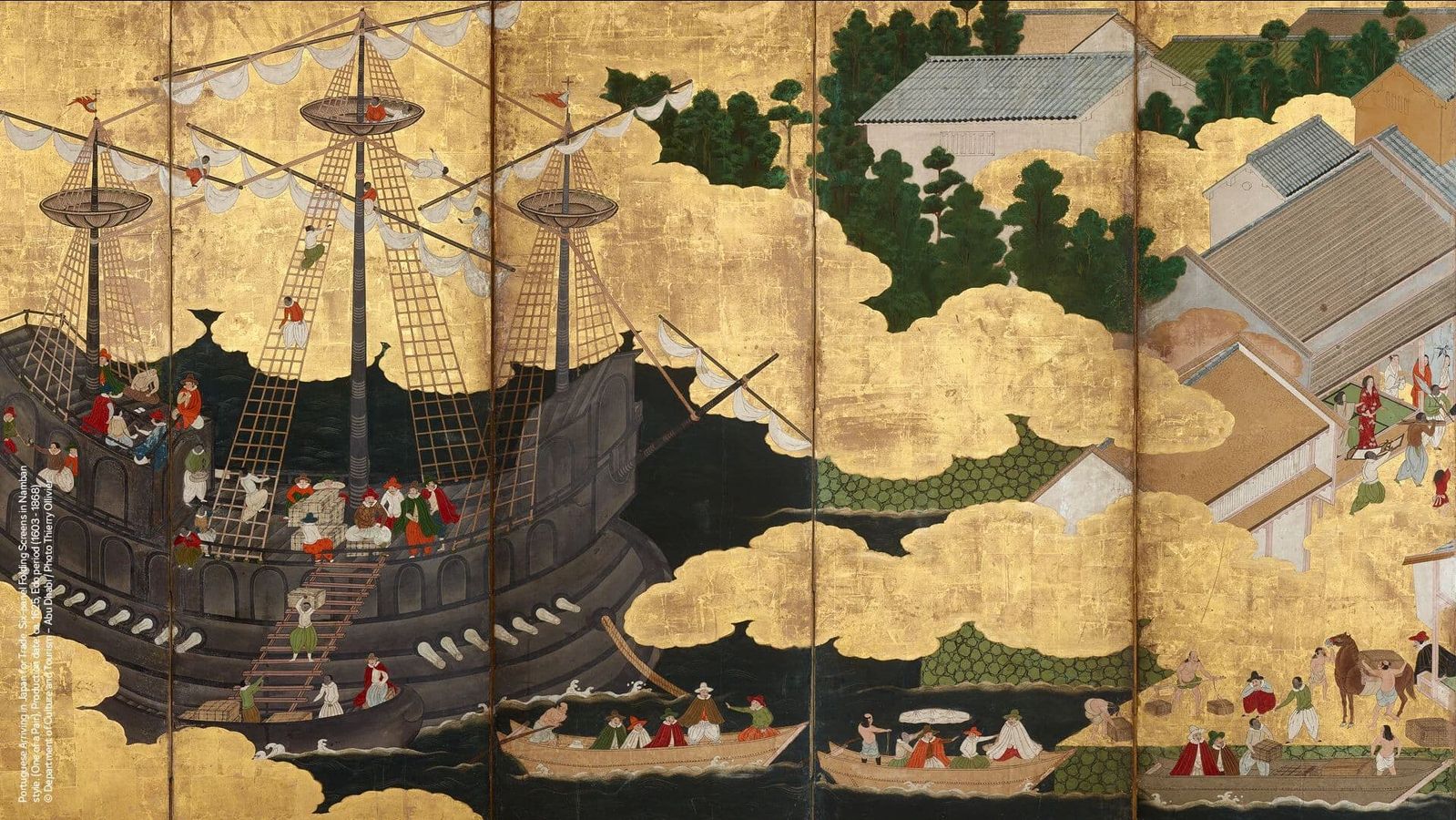
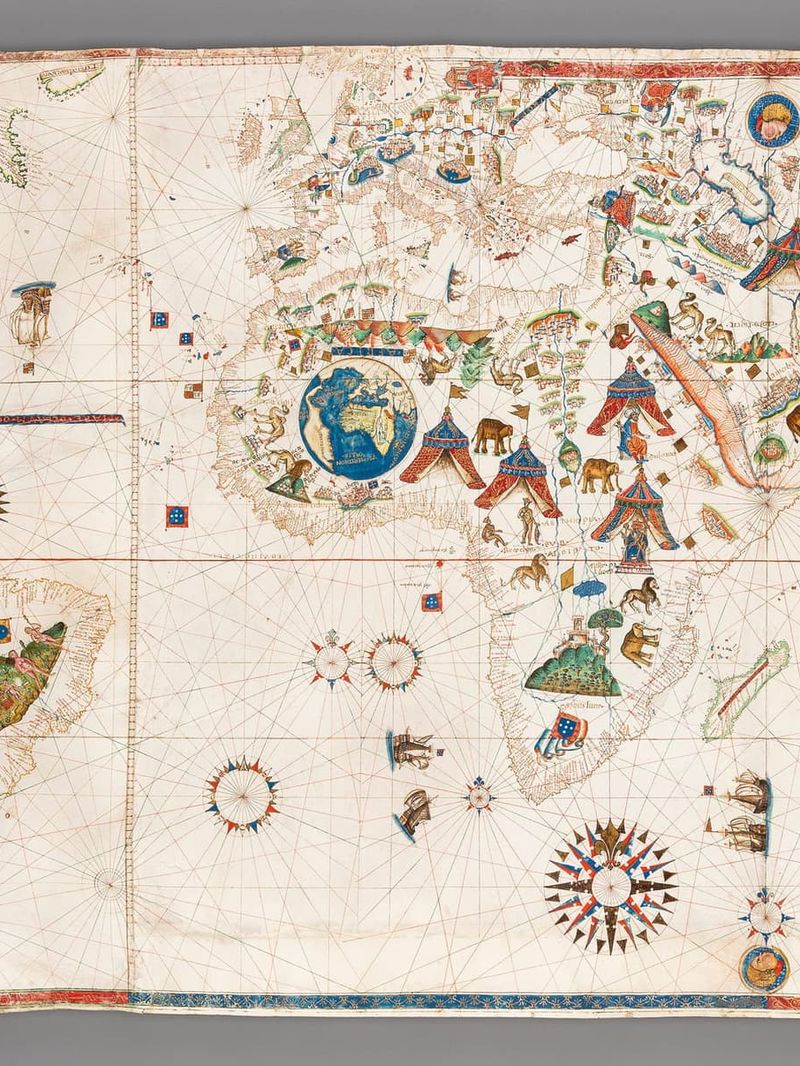
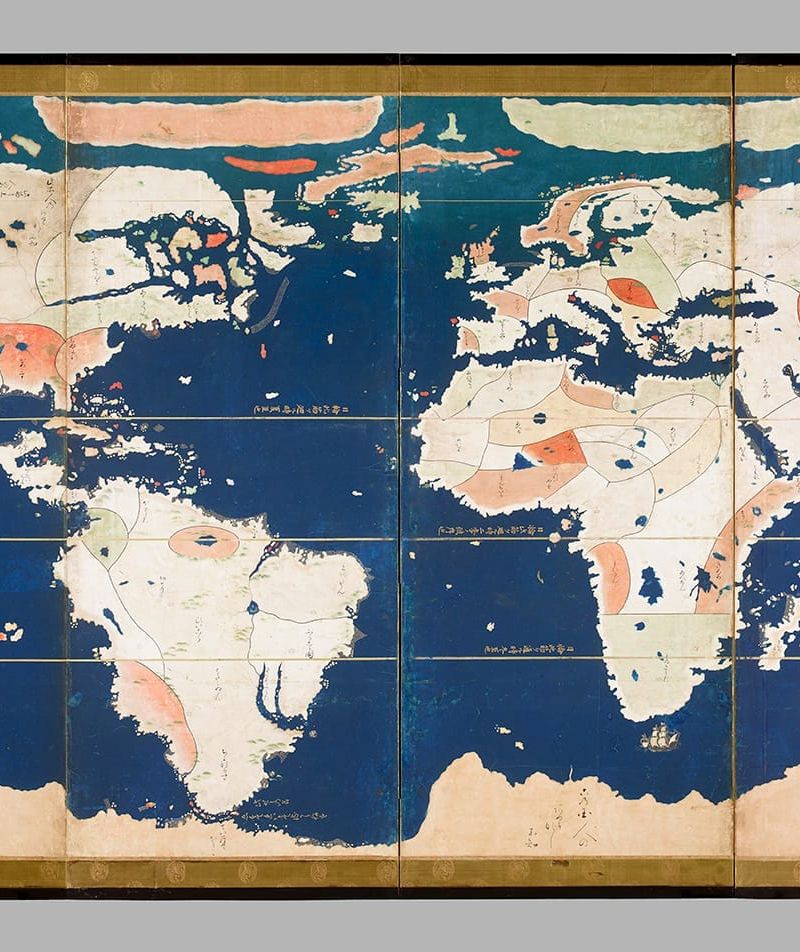
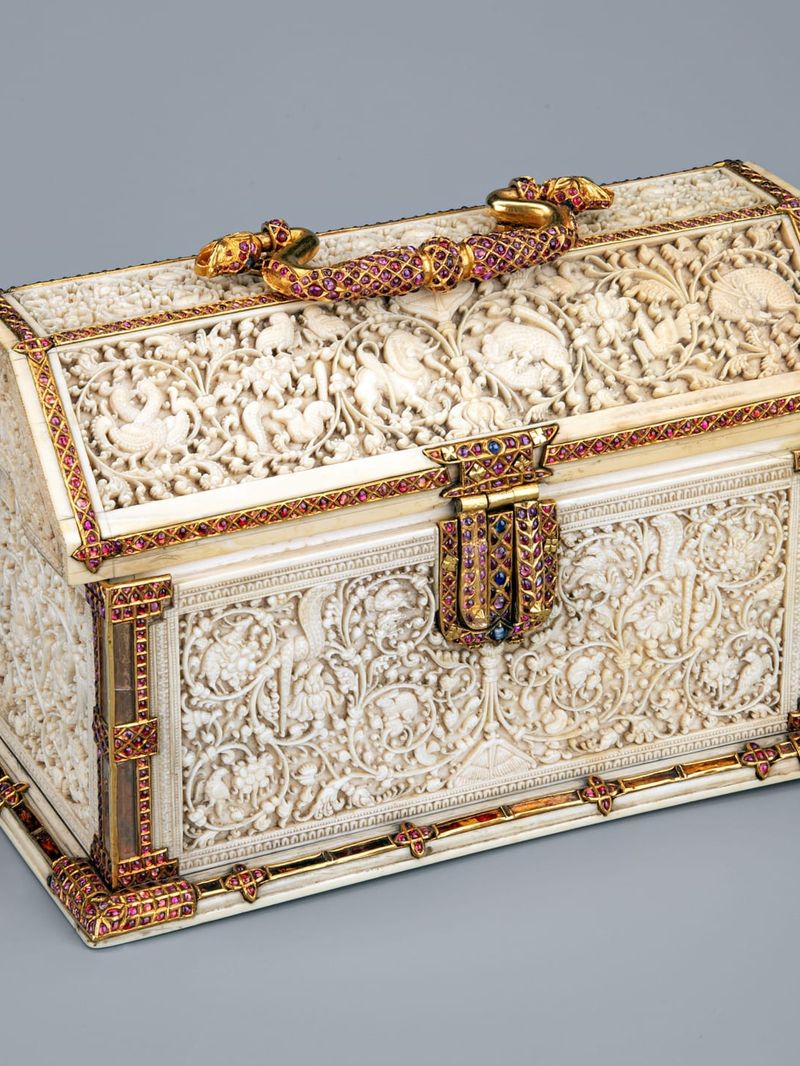
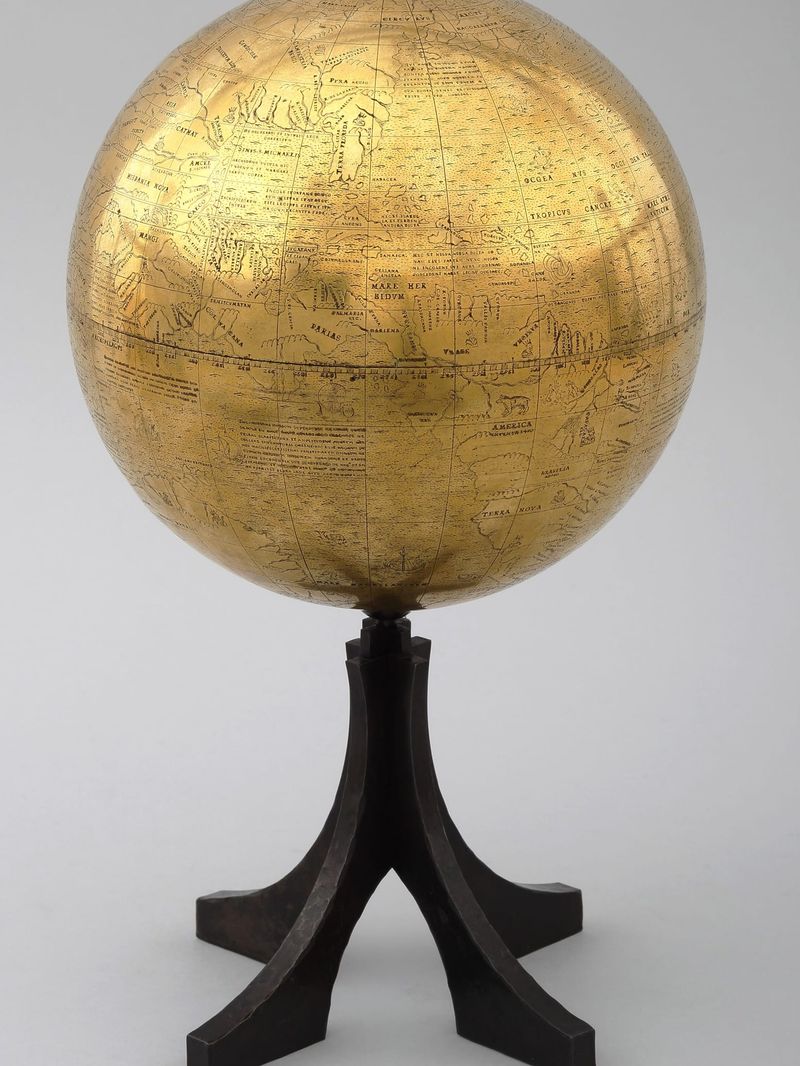
Spices and Wonders: Sailing the Indian Ocean follows a thousand years of maritime history and culture, charting the sea routes that connected the civilisations of Africa, the Arabian Peninsula, South Asia, Southeast Asia and Europe from antiquity to the 17th century. Organised by Louvre Abu Dhabi in partnership with the Musée National des Arts Asiatiques – Guimet, the exhibition brings together more than 240 artworks and historical objects — textiles, metalwork, ceramics, sculpture, maps and navigational instruments — lent by 24 institutions across seven countries, alongside the largest selection of works from Louvre Abu Dhabi’s own collection ever shown in a single exhibition. Crossing these vast waters demanded knowledge, skill and courage. The exhibition documents the evolution of navigation and the techniques that allowed seafarers to venture into the unknown, reading monsoon winds and guided by the stars, and it tells of voyages that ended in shipwreck and the treasures their vessels carried. As people travelled, so did spices, ideas and beliefs, with every encounter opening new possibilities for exchange. Particular attention is given to the coastal communities of the UAE and the Arabian Gulf, whose ports, pearl divers and navigators — among them the 15th-century master navigator Ibn Majid, associated with Ras Al Khaimah — played a pioneering role in these networks. The journey opens with a film by Emirati poet and filmmaker Nujoom Al Ghanem on the Gulf’s maritime and pearling heritage, and unfolds across six sections: The Origins of Indian Ocean Trade Routes; Crossing the Indian Ocean, with historical maps, travel accounts and a manuscript by Ibn Majid; Ships and Cargoes, featuring six large ship models inspired by historical wrecks; Spices and Precious Commodities, with a multisensory fragrance experience; Peoples of the Indian Ocean: Worlds in Dialogue; and An Ocean of Beliefs and Wisdom, on the spread of religions, art and music. It closes with an immersive sound-and-video installation by composer Sam Nester. Highlights include Vesconte Maggiolo’s Planisphere (Genoa, c. 1531), a pair of Japanese Namban screens with maps of the world and Japan (c. 1690), a gem-studded ivory casket from Kotte in Ceylon (c. 1543), the “De Bure” gilded globe (c. 1535), a 7th–8th-century statue of the Bodhisattva Avalokiteshvara from southern Vietnam, a Mamluk incense burner and a Mughal dagger and scabbard. The exhibition is curated by Dr Guilhem André of Louvre Abu Dhabi and Dr Claire Déléry of the Musée Guimet.

Tickets

Included with museum admission

Check the museum profile for general admission details.

Louvre Abu Dhabi