
New York · 06/11/2026
Kehinde Wiley: What the Light Becomes
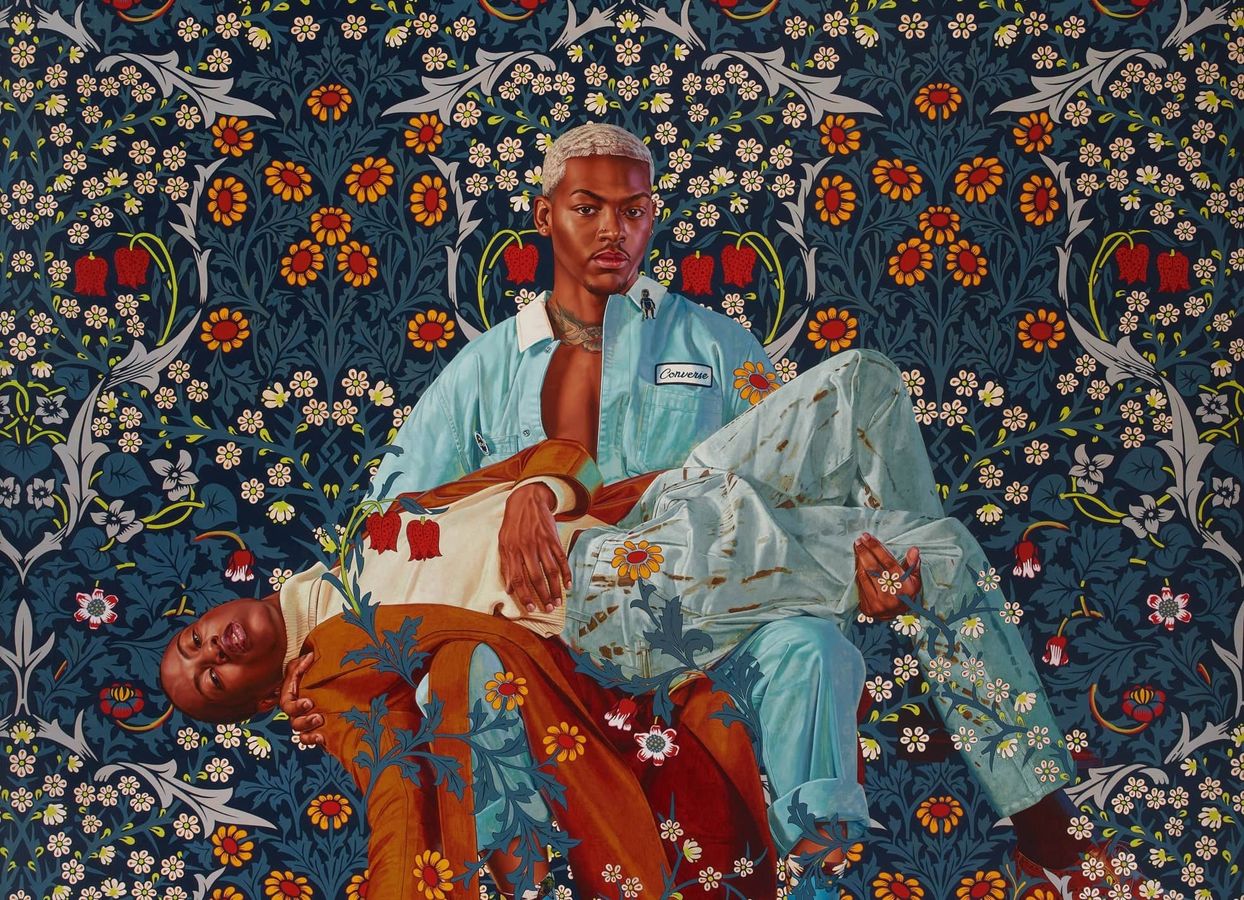
What the Light Becomes is Kehinde Wiley's fourth exhibition at Sean Kelly Gallery. It turns its attention to contemporary New Yorkers and, more broadly, to the way New York serves as a portrait of America at this moment—not as a single, cohesive identity, but as something diverse, shifting, and constantly being remade. Conceived as a love letter to the city, the exhibition marks Wiley's return to the place that launched his career, after years in which his practice has taken him around the world. For this new body of work, Wiley takes inspiration from Vivaldi's The Four Seasons, a motif long used in art and literature as a metaphor for the passage of time and the cyclical nature of change. Set against a city defined by perpetual transformation, the turning seasons become a framework for thinking about transition, renewal, and regeneration. Wiley found his sitters through chance encounters on the streets of New York. Rather than holding an extensive casting process, he approached people in the middle of everyday errands—walking to the subway, shopping, leaving a CVS—and invited them to be photographed. Each is portrayed in the clothes they happened to be wearing that day, with the Nigerian stylist Ugo Mozie adding select elements. The resulting portraits elevate these chance meetings, celebrating the pleasure and the "miracle" of simply being alive and encountering one another on New York's vibrant streets. The exhibition brings together new paintings, oil studies on paper, and a film that follows several of the people portrayed, delving into their histories and lives. Kehinde Wiley is widely recognized for his expansive reimagining of the traditions of portraiture, history painting, and representation. He earned a BFA from the San Francisco Art Institute and an MFA from Yale University, and has received honorary doctorates from the Rhode Island School of Design and the San Francisco Art Institute. His work has been the subject of major solo exhibitions internationally, including at the Museum Van Loon, Amsterdam; the de Young Museum, San Francisco; the Museum of Fine Arts, Houston; the Musée du Quai Branly, Paris; the Fondazione Giorgio Cini, Venice, as a collateral event of the 59th Venice Biennale; and The National Gallery, London. His work is held in the permanent collections of leading museums and public institutions around the world. In 2018 Wiley's portrait of Barack Obama entered the permanent installation of presidential portraits at the Smithsonian's National Portrait Gallery, making him the first African American artist commissioned to paint an official U.S. presidential portrait. That same year he received Harvard University's W.E.B. Du Bois Medal in recognition of his contributions to African and African American culture and history and his advocacy for intercultural understanding and human rights. He has also received the U.S. Department of State's Medal of Arts and has been named a Chevalier dans l'Ordre des Arts et des Lettres by the French government. In 2019 he founded Black Rock Senegal, a multidisciplinary residency in Dakar that brings together artists from around the world to live and work in Senegal. Wiley lives and works in New York and Nigeria.
Participants
News by Exhibo
Editorial coverage on Exhibo
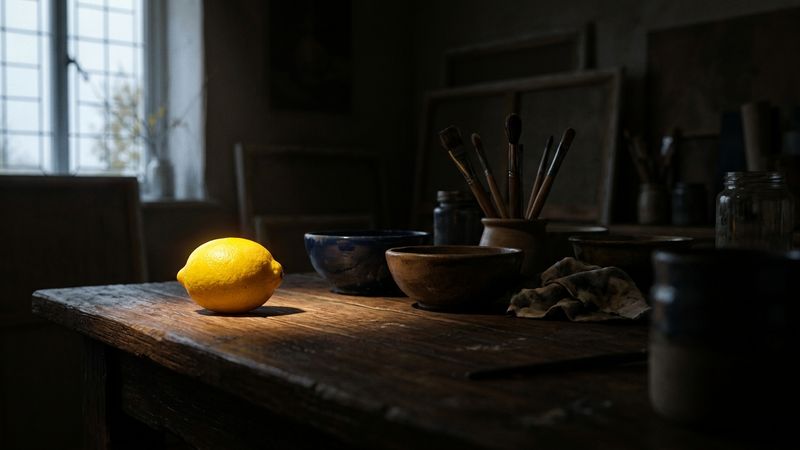
What Is Emphasis in Art?
How artists create a focal point through contrast, isolation, and subordination, with six named pictures from Leonardo to Monet.
Emphasis in art ranks attention so one area of a picture pulls first. This vocabulary guide splits focal point from dominance and subordination, reads six dated works from Leonardo to Hiroshige, and flags mix-ups with contrast, visual movement, and the writing-class sense of the same English word.
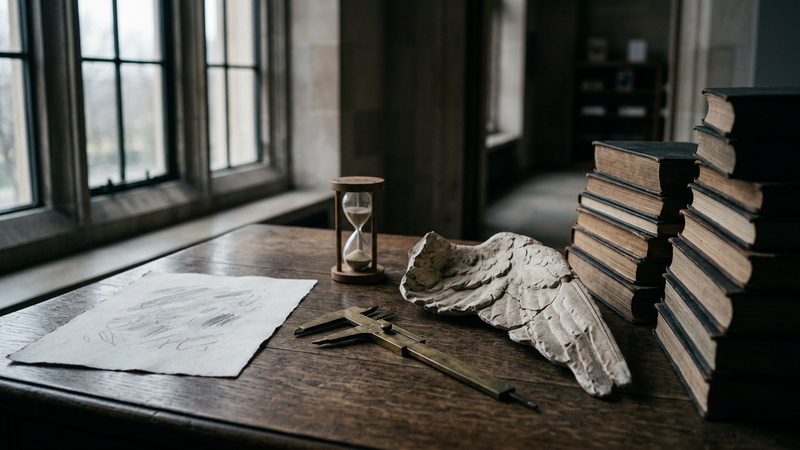
Iconography: How to Read Symbols in Art
Panofsky’s three levels, attributes and source-checking: a method for reading Western pictures without treating every object as a code.
Iconography in art history is a method: name what you see, match it to a conventional type, then test that match against a dated source. This guide walks Panofsky’s levels, Ripa and ICONCLASS, and six museum works from Botticelli to Beuys, and keeps Christian saints, MENA symbol lists and the Symbolist movement on their own pages.