Berlin · 10/09/2026
Exquisite Corpse
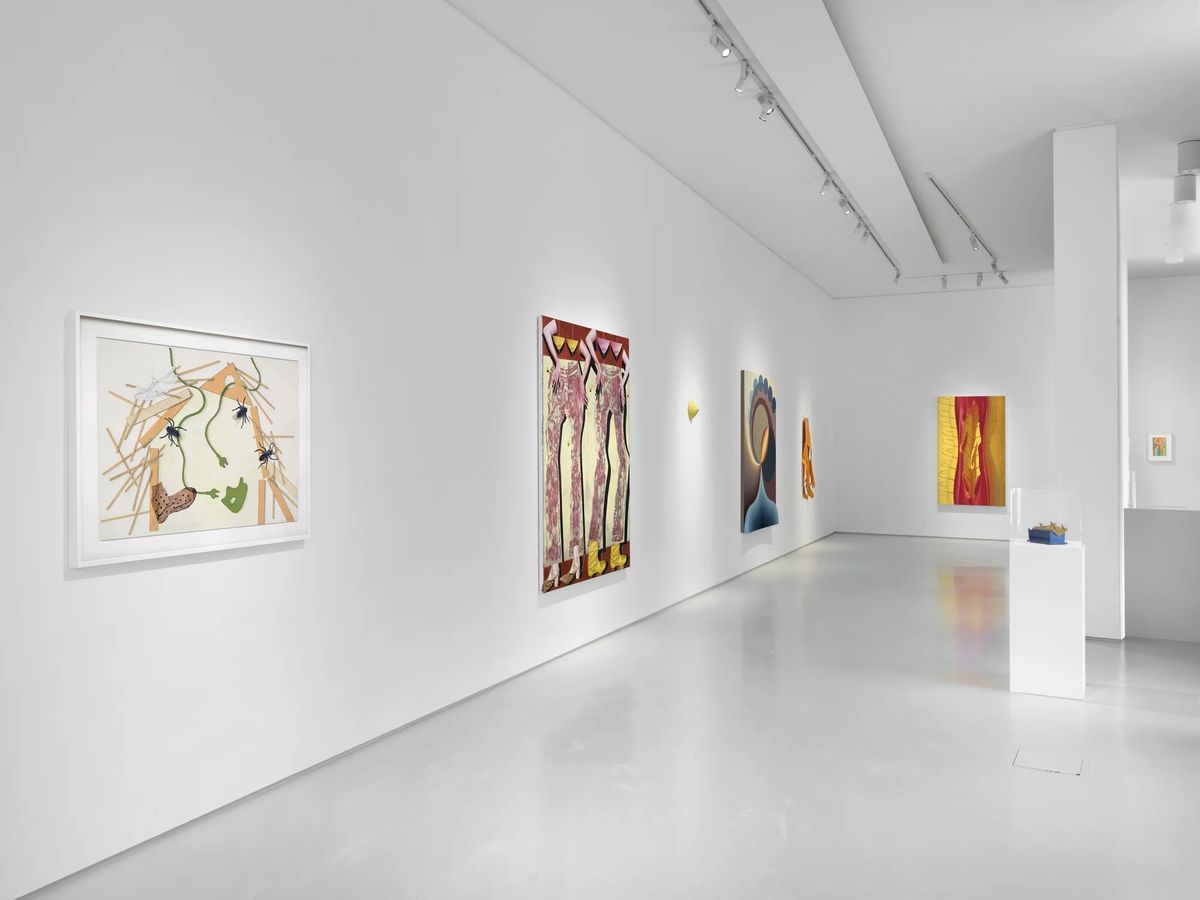
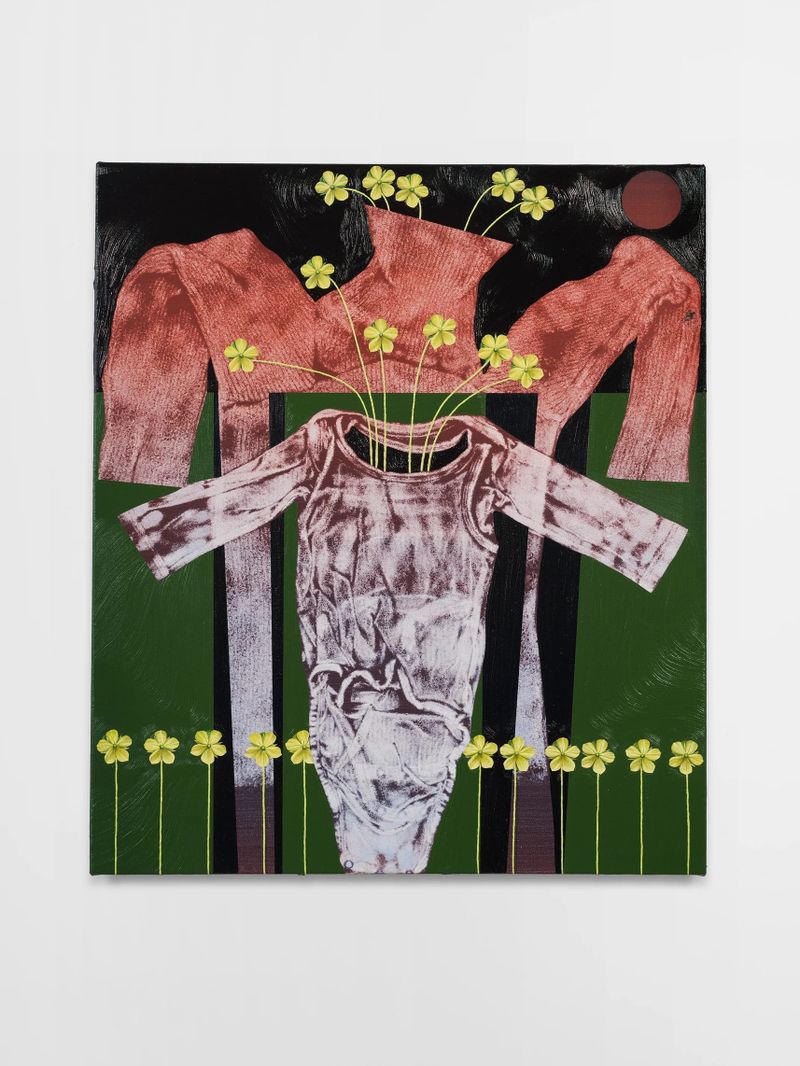
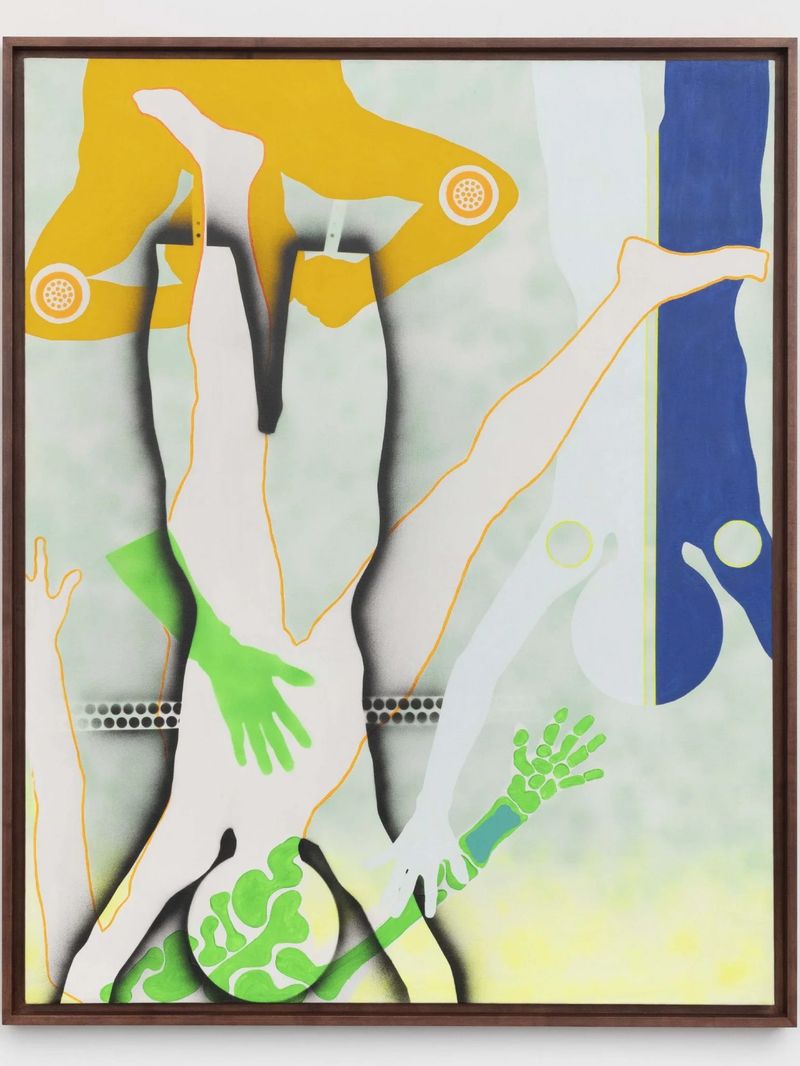
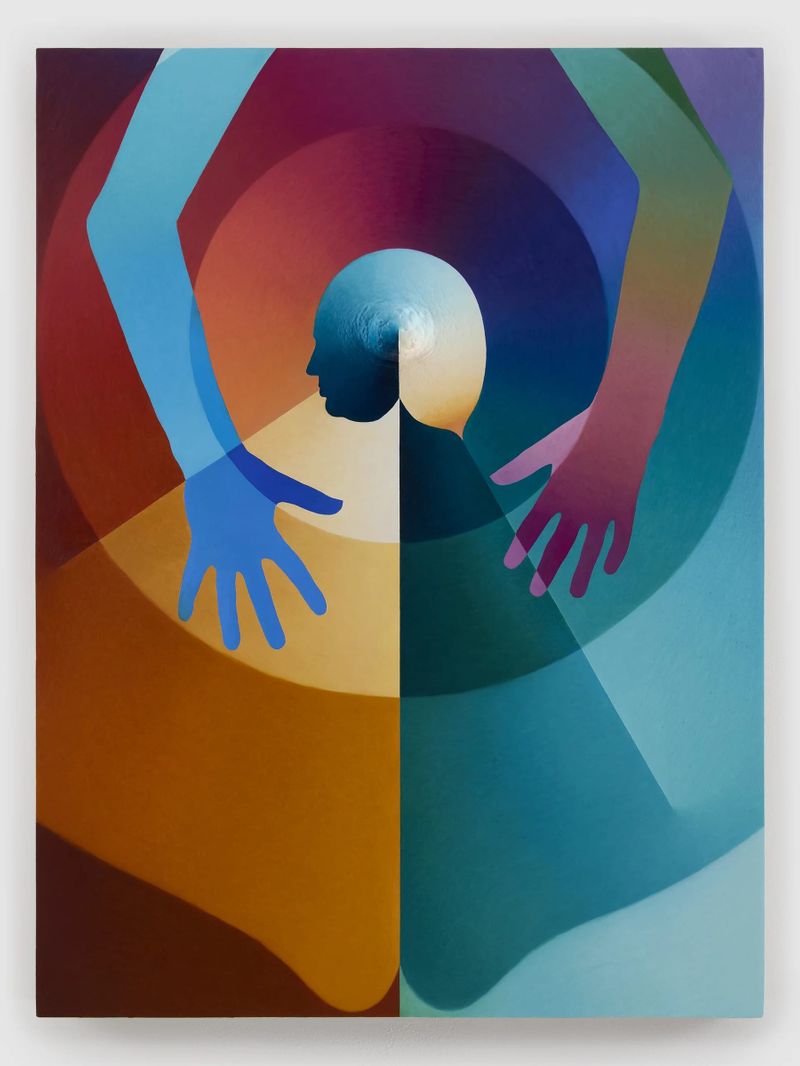
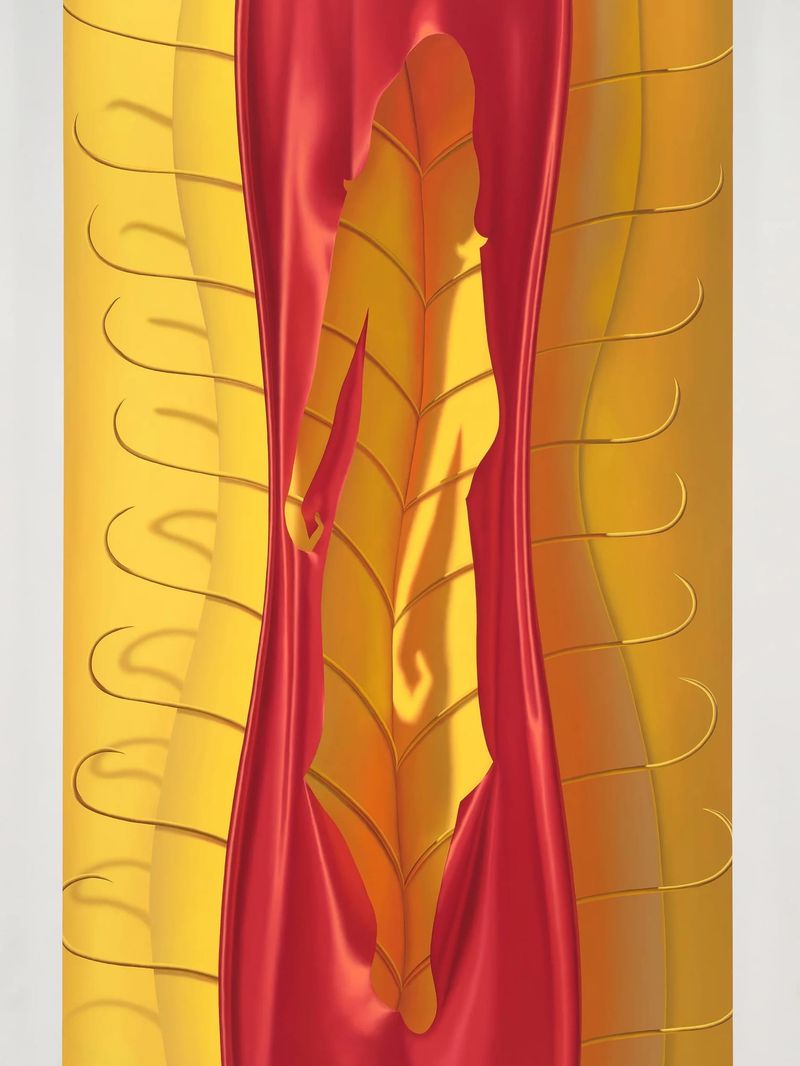
Pace presents Exquisite Corpse, an exhibition curated by Loie Hollowell (born 1983, raised in Woodland, California) in response to her admiration for the influential Austrian-American artist Kiki Kogelnik (born 1935 in Graz, Austria; died 1997 in Vienna). In conversation with two of Hollowell’s contemporaries, Sascha Braunig (born 1983 in Qualicum Beach, Canada) and Veronika Pausova (born 1987 in Prague, Czech Republic), Hollowell discovered that Kogelnik’s work had equally shaped their own practices. The exhibition brings together works by all four cross-continental, multigenerational artists. “Exquisite corpse” is a collaborative parlour game invented by the Surrealists in 1925. Players take turns writing words or drawing sections of a body on a folded sheet of paper, concealing their contributions so that the next player sees and responds only to the very end of the previous one. Hollowell felt that this Surrealist concept perfectly describes how artists inspire and influence one another across time and distance. The paintings, works on paper and sculptures on view exemplify each artist’s commitment to exploring the body, particularly the female body. Together, the artists form a lineage of bodily abstraction with a shared use of vibrant colour and deliberate mark-making. Rather than representing the body as a stable subject, each approaches the figure as a site of tension – something that can be stretched, flattened, cut up and transformed. The works wrestle with ideas of the body as a machine, a modular system, and a site shaped by technology, labour and scientific developments. As a result, feminism and the question of what it means to make a feminist image are central to this group of works. Each artist reckons in her own way with the identity of “feminist” – from the earliest born, Kogelnik, who preferred not to be labelled as such, to the three contemporaries, who embrace the term and consider the investigation and depiction of gender and its complex cultural contexts central to their practices – all while working in yet another era of feminist backlash. The visual affinities between the artists’ works are striking. Hollowell is most affected by the way Kogelnik sought to blend body and machine, and how this composite informs a feminist critique. Pausova is influenced by the direct, unapologetic and sometimes “violent” imagery and energy of Kogelnik’s playfully unrestrained compositional devices, which encourage the creation of “uncomfortable” works. Braunig began using the silhouette and cutouts in her practice only after discovering Kogelnik’s work, which, in Braunig’s words, “allowed” her to incorporate similar structures into her paintings. Bold, emotional colour connects the featured works, in which hard lines set against rendered forms and flat areas of colour and pattern are executed with a controlled brushstroke and, more often than not, a crisp, stylised finish. Seen as a whole, Hollowell envisions the exhibition as a playful game of exquisite corpse, in which an iconic female artist has folded the paper and passed it down to the next generation.