Berlin · 11/09/2026
David L. Johnson: Nachtruhe
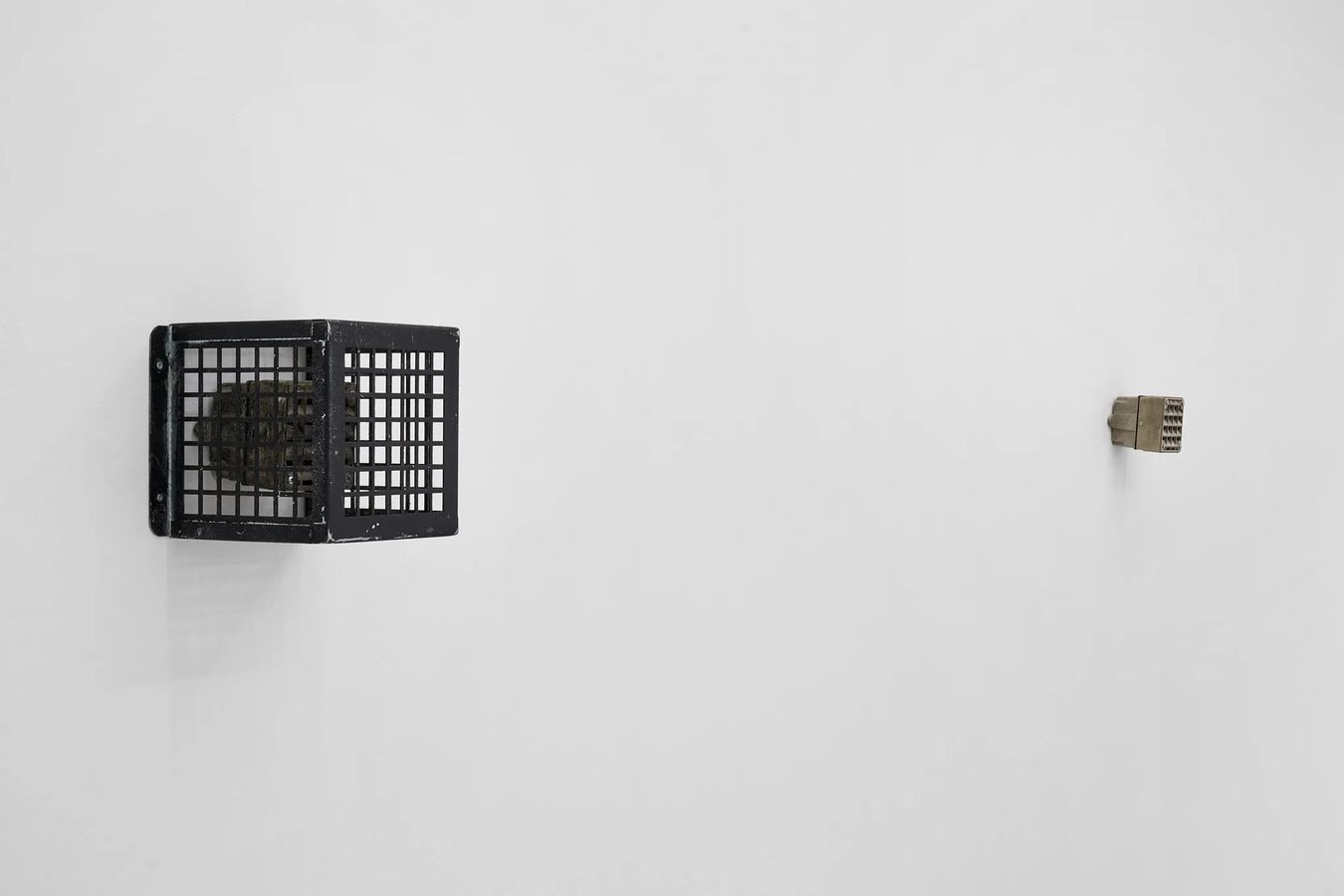
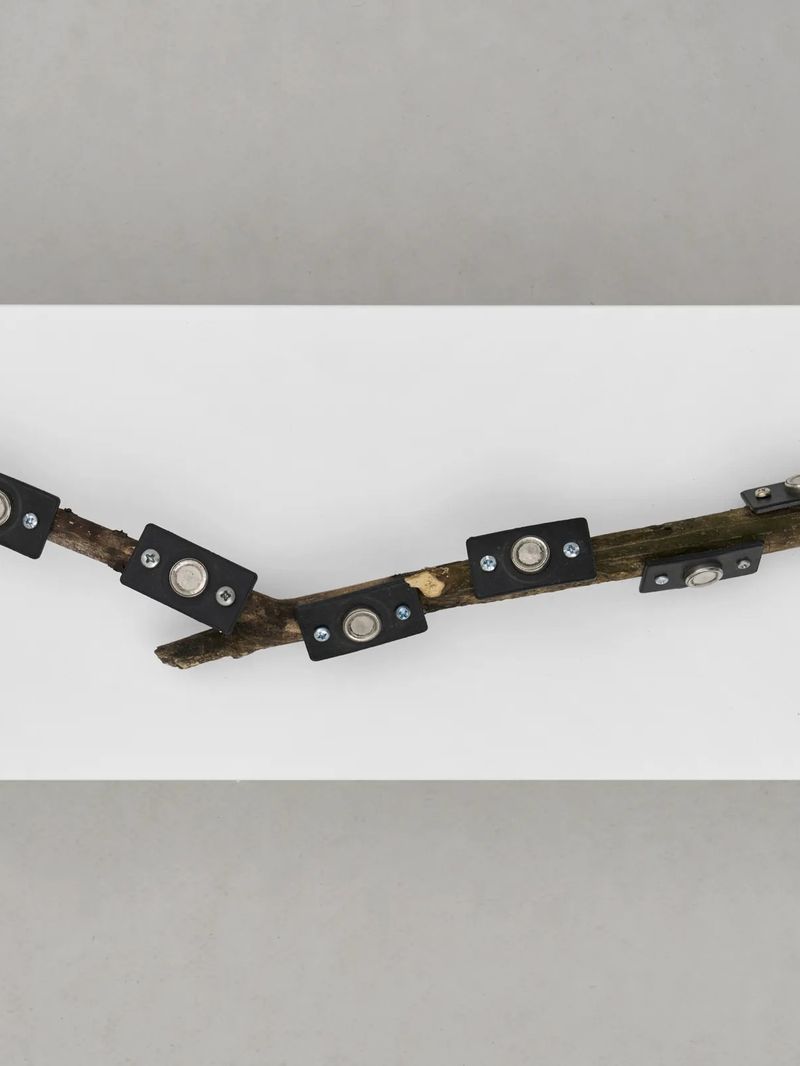
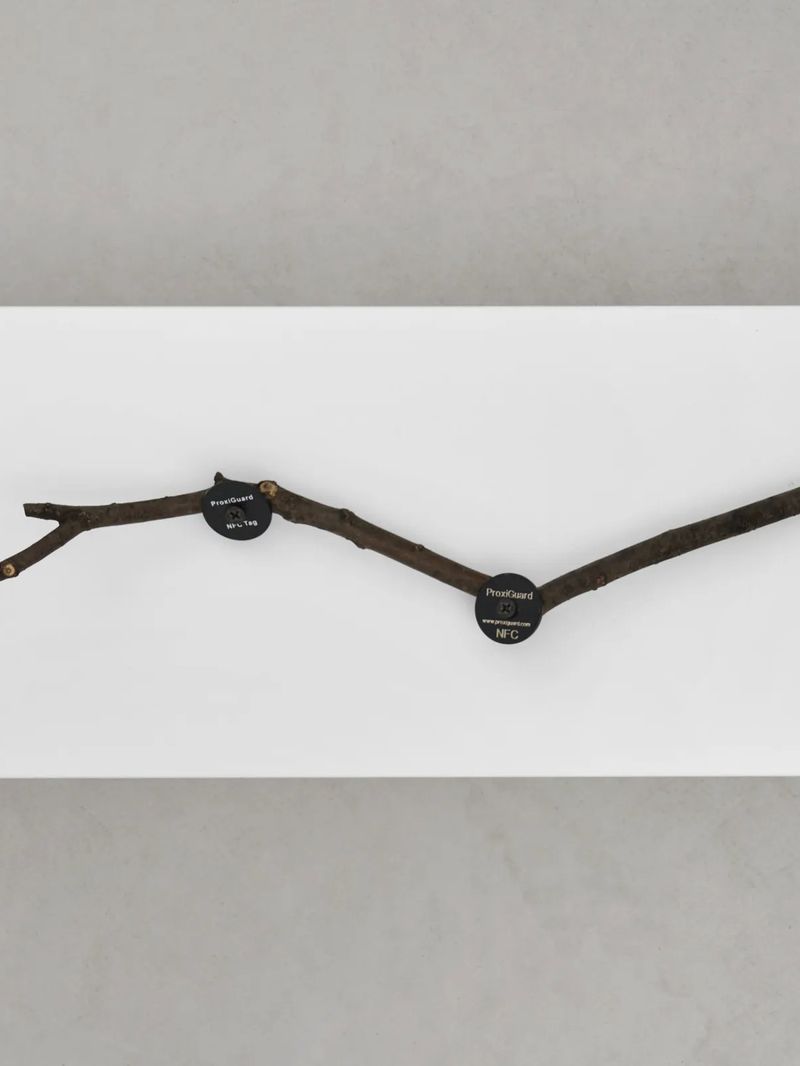
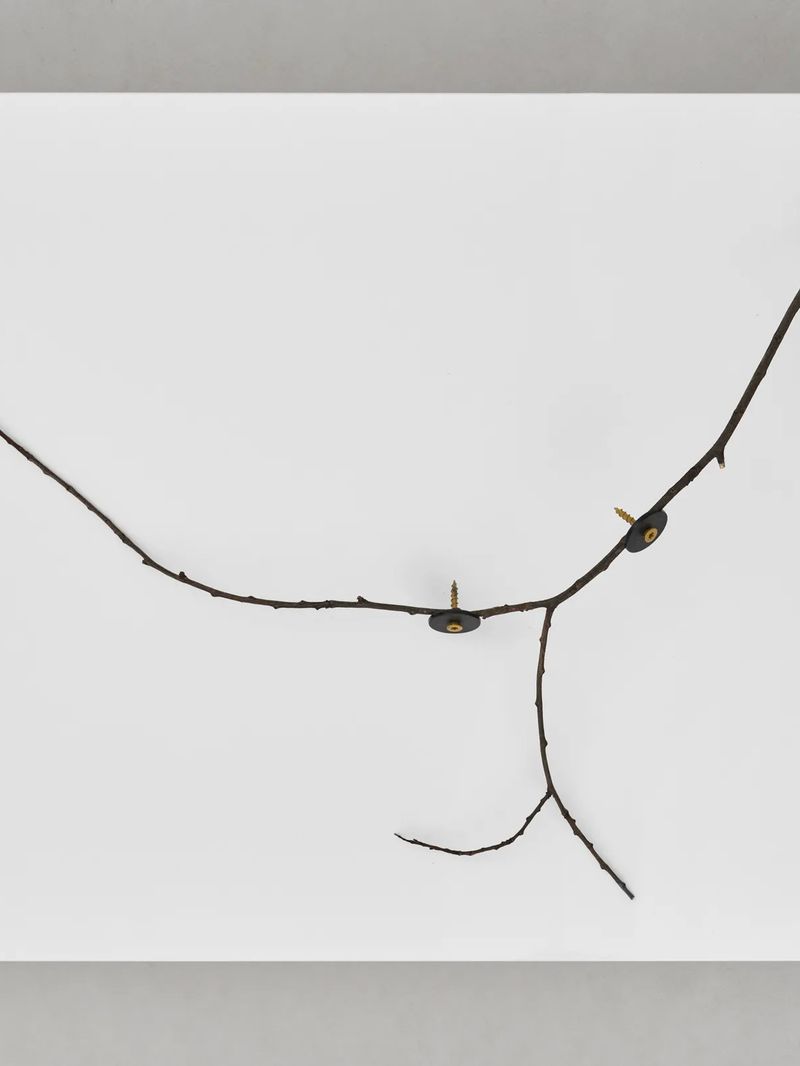
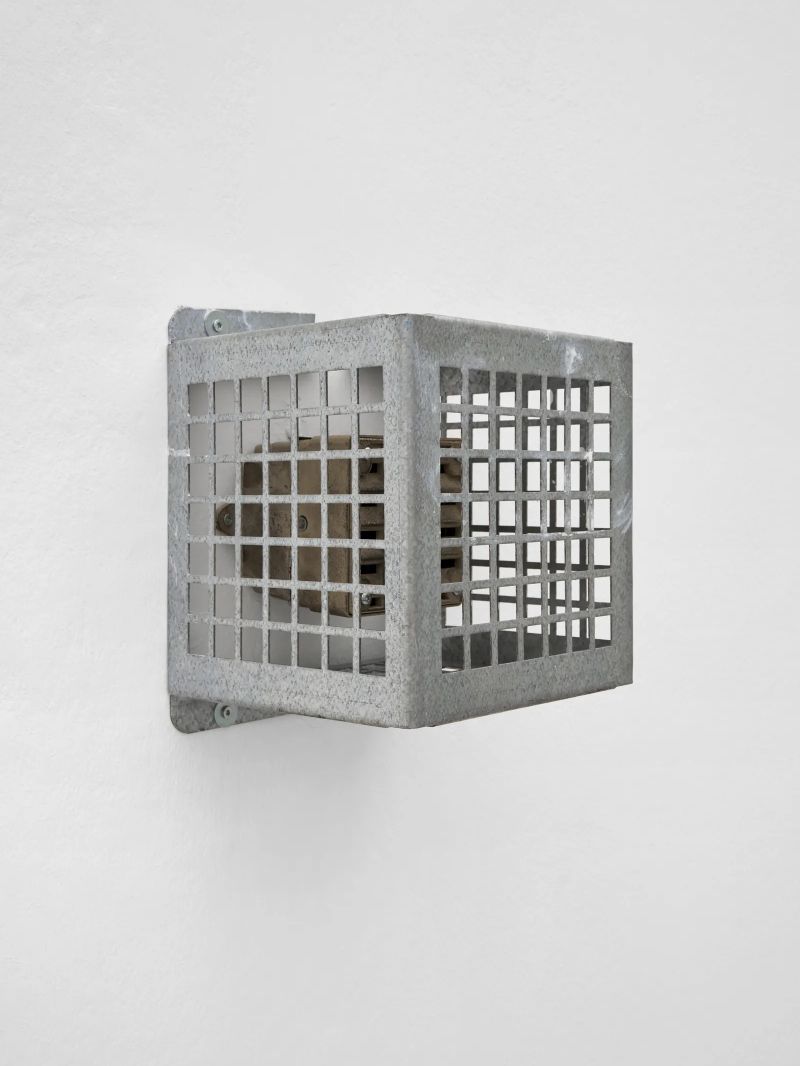
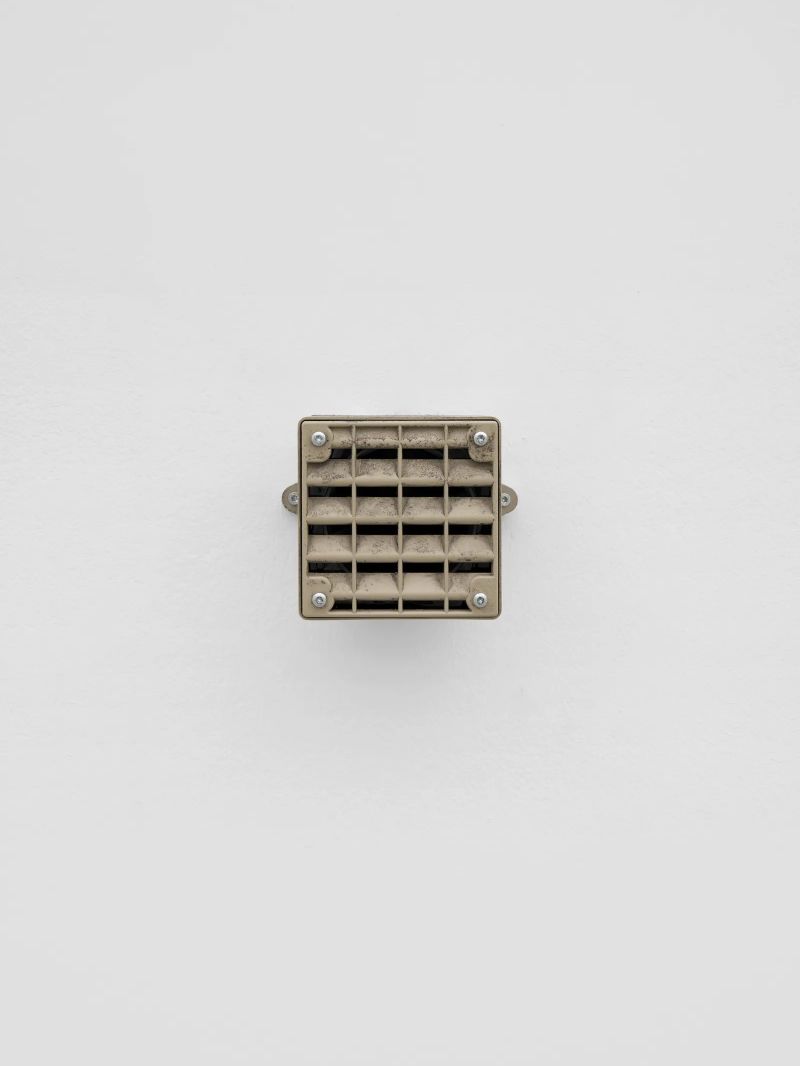
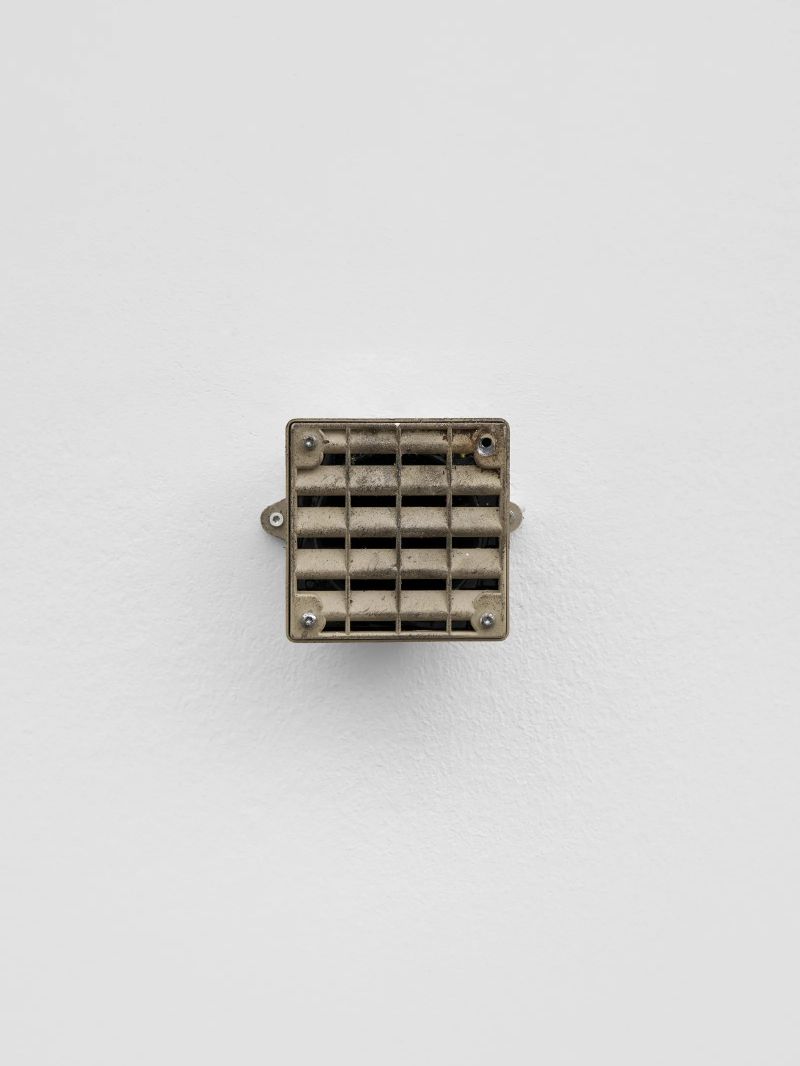
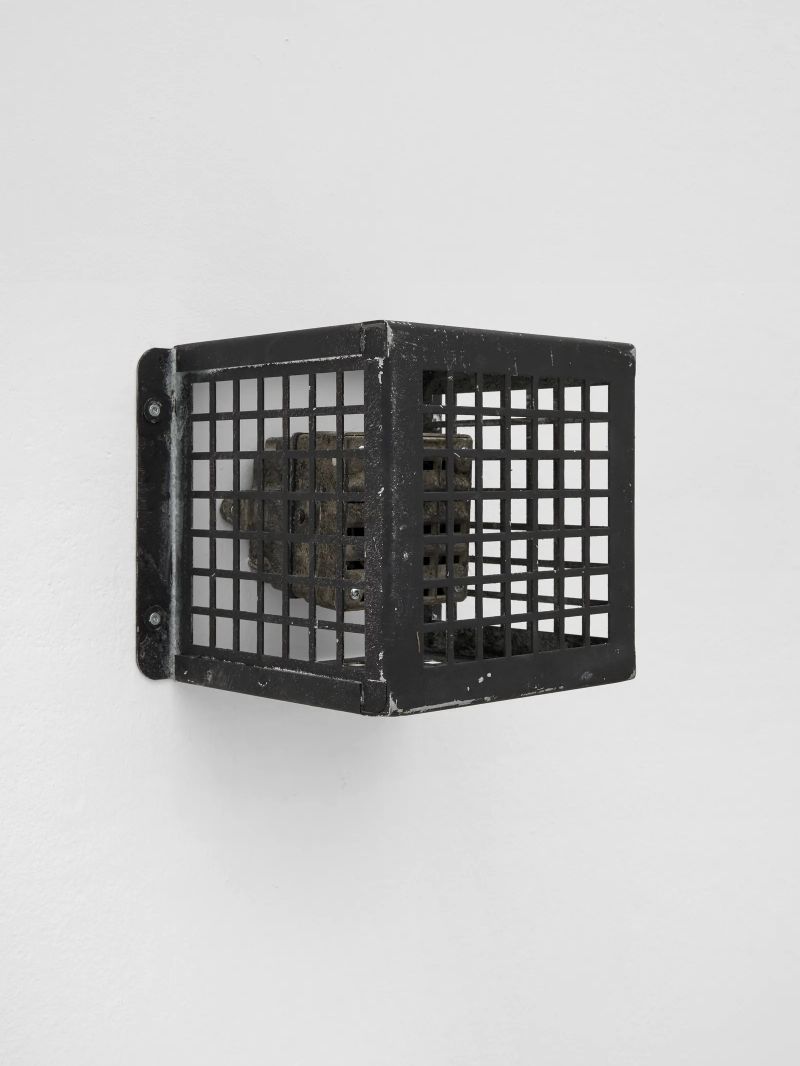
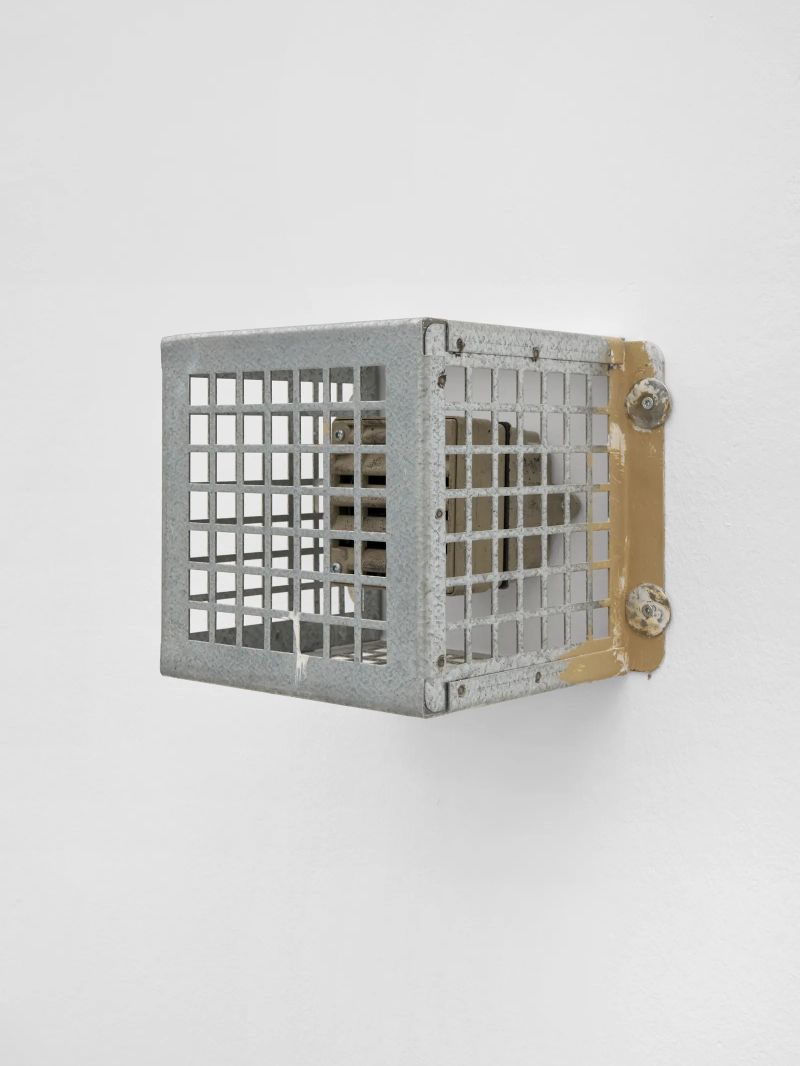
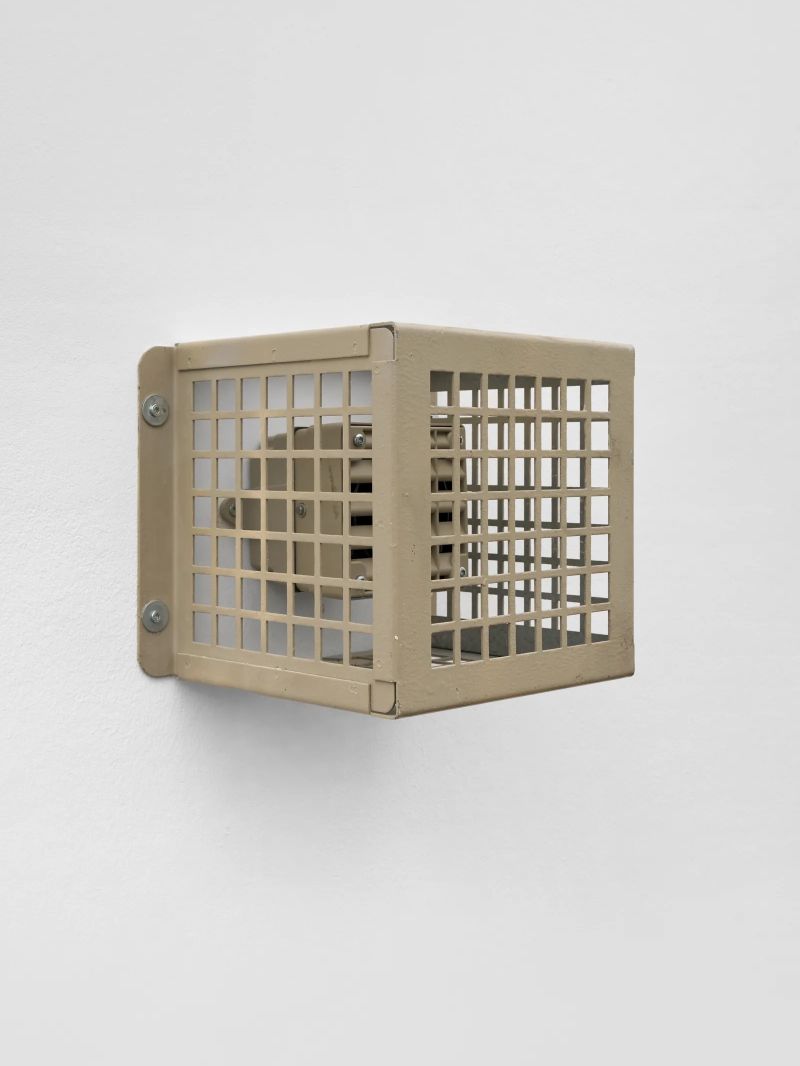
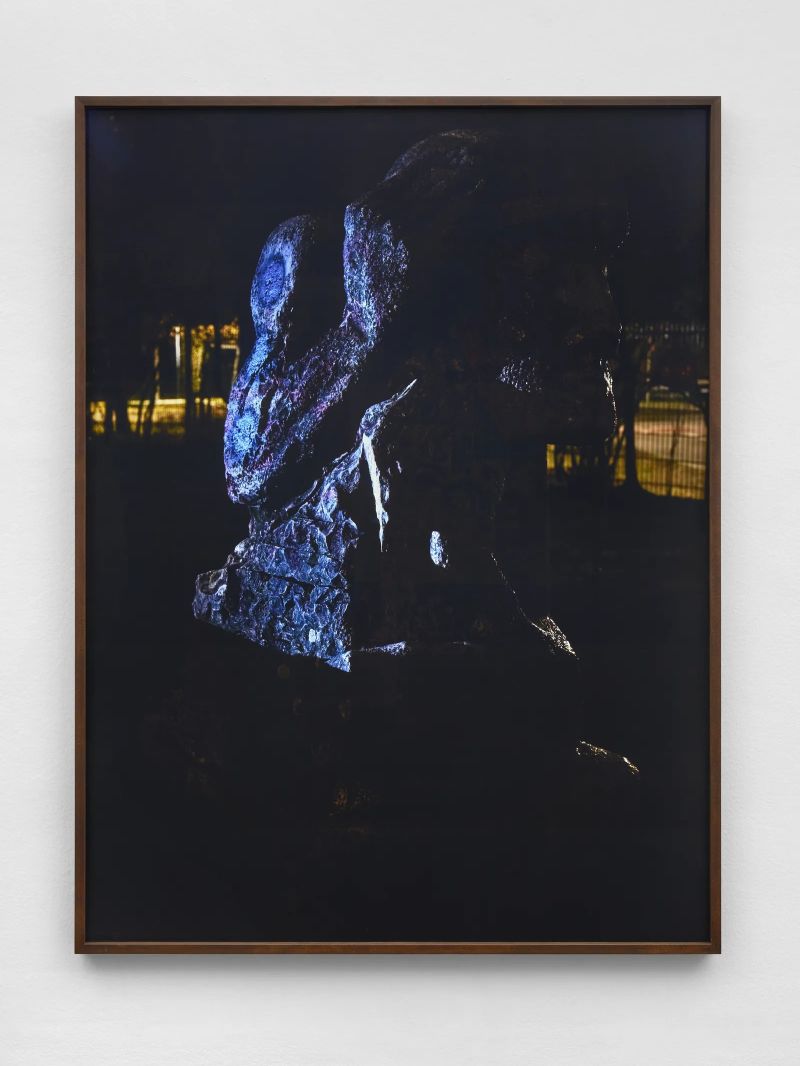
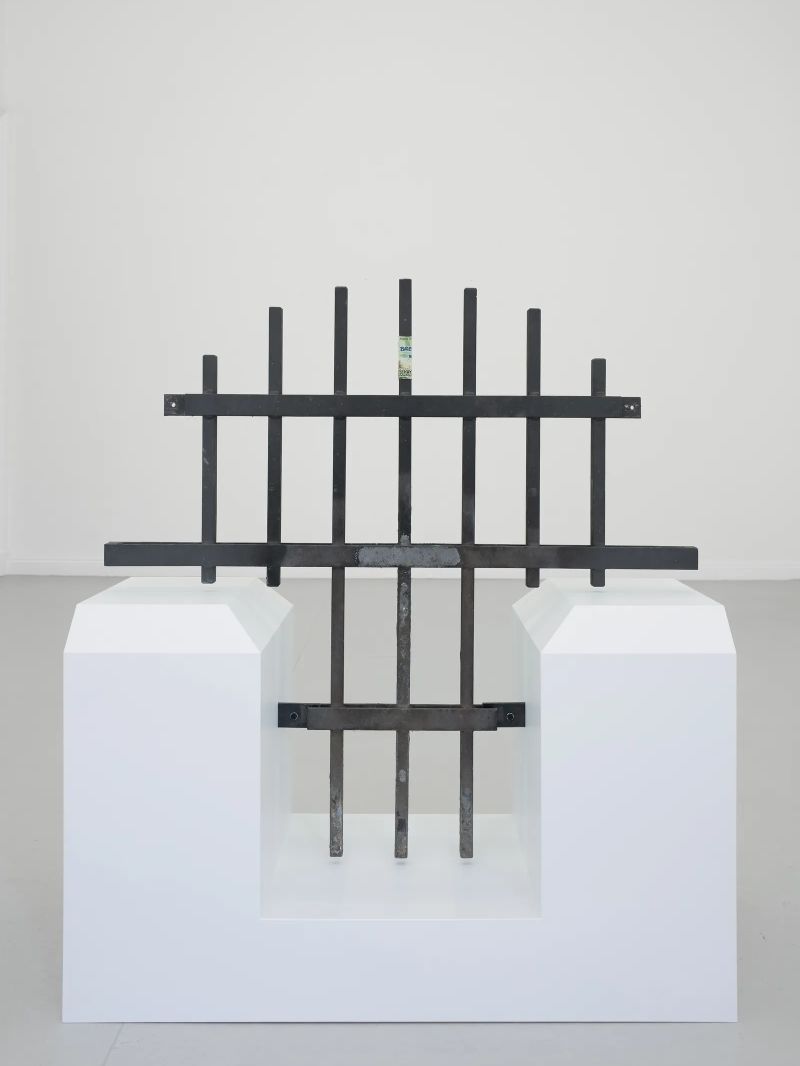
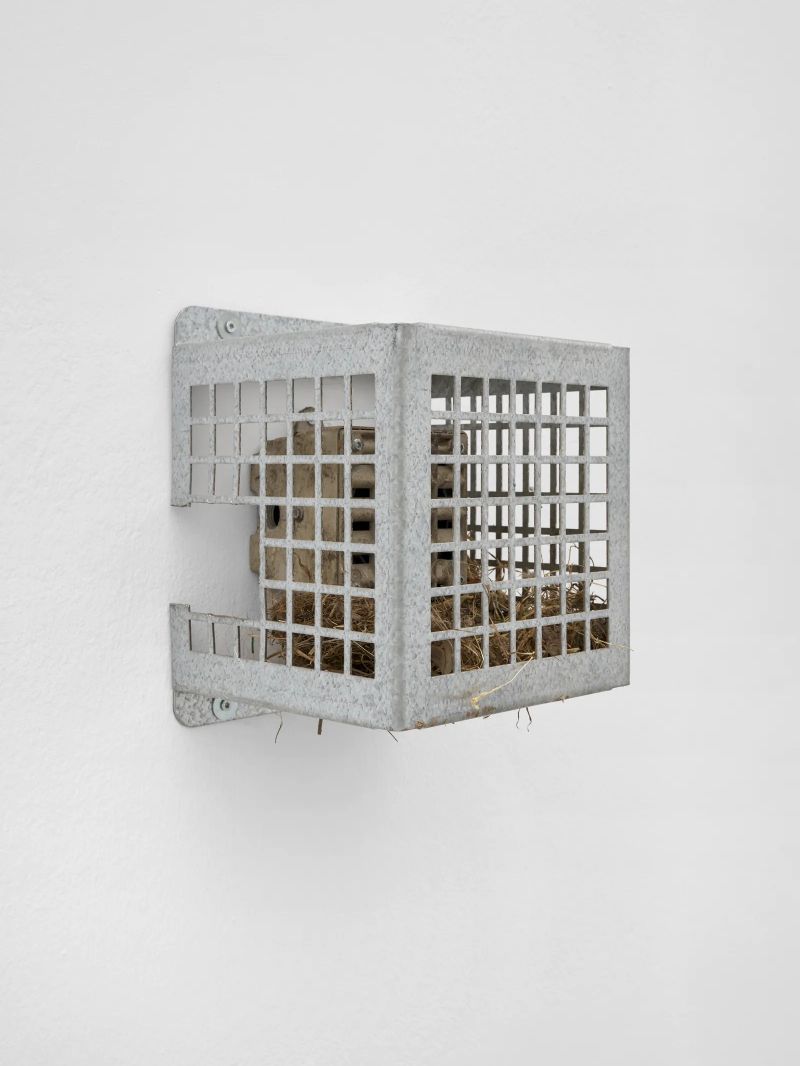
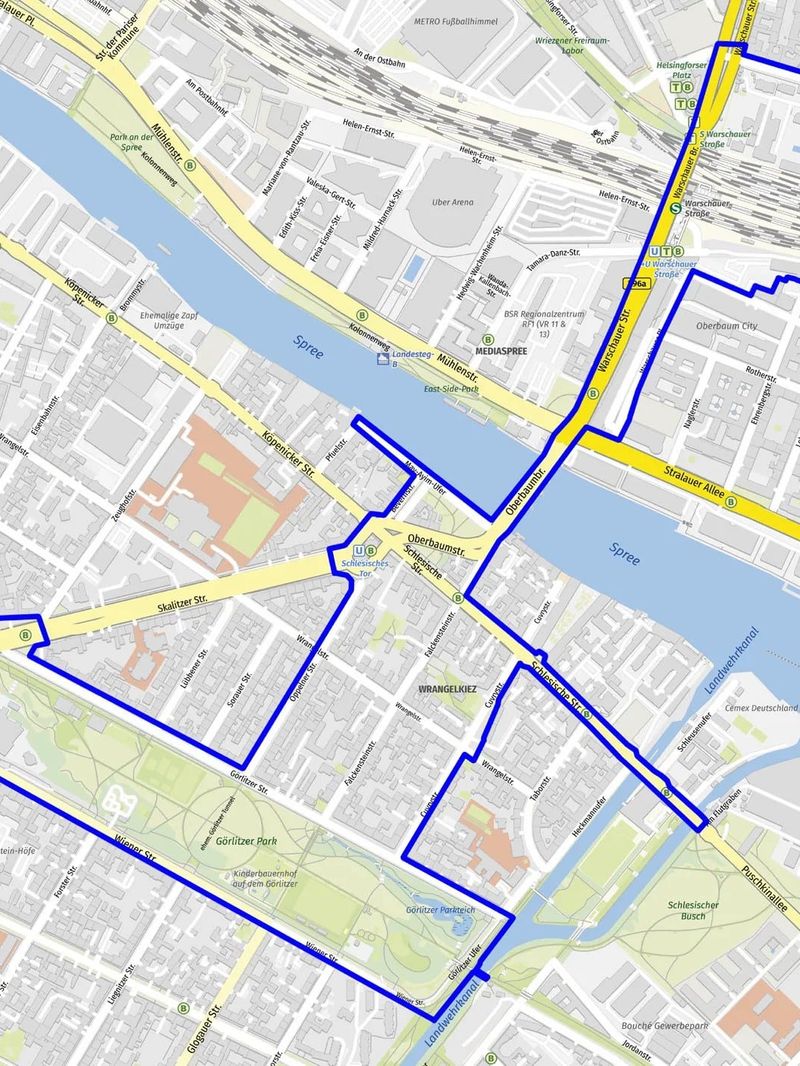
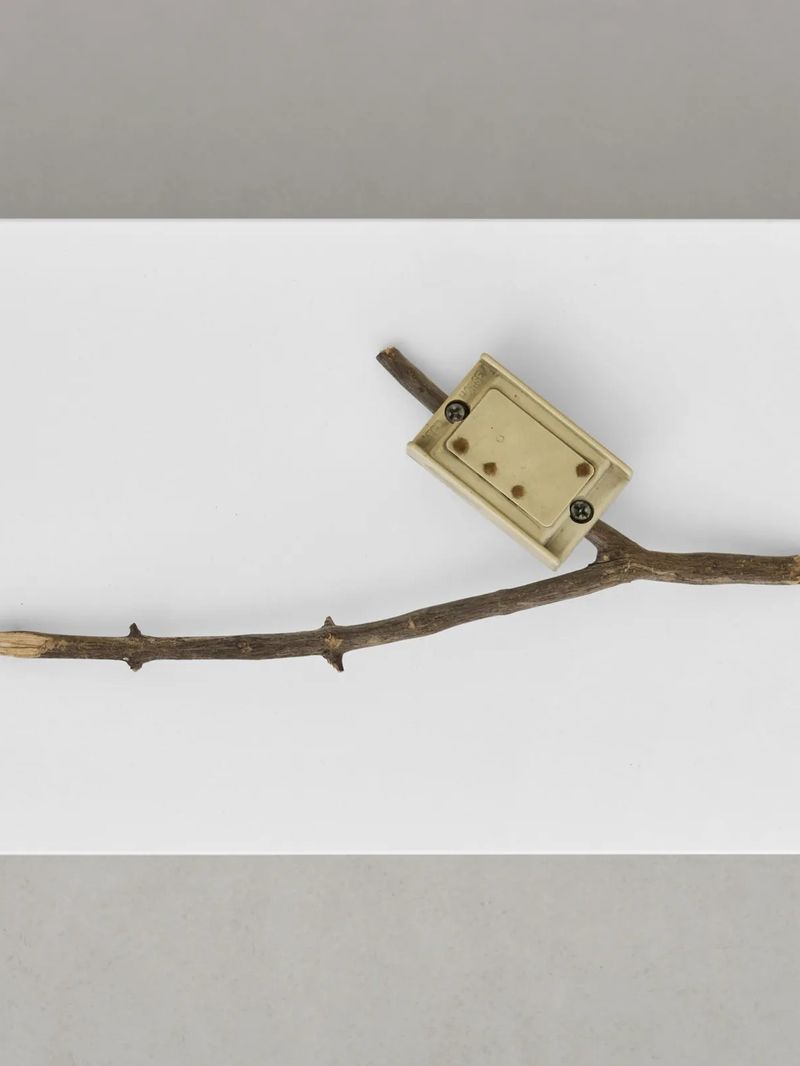
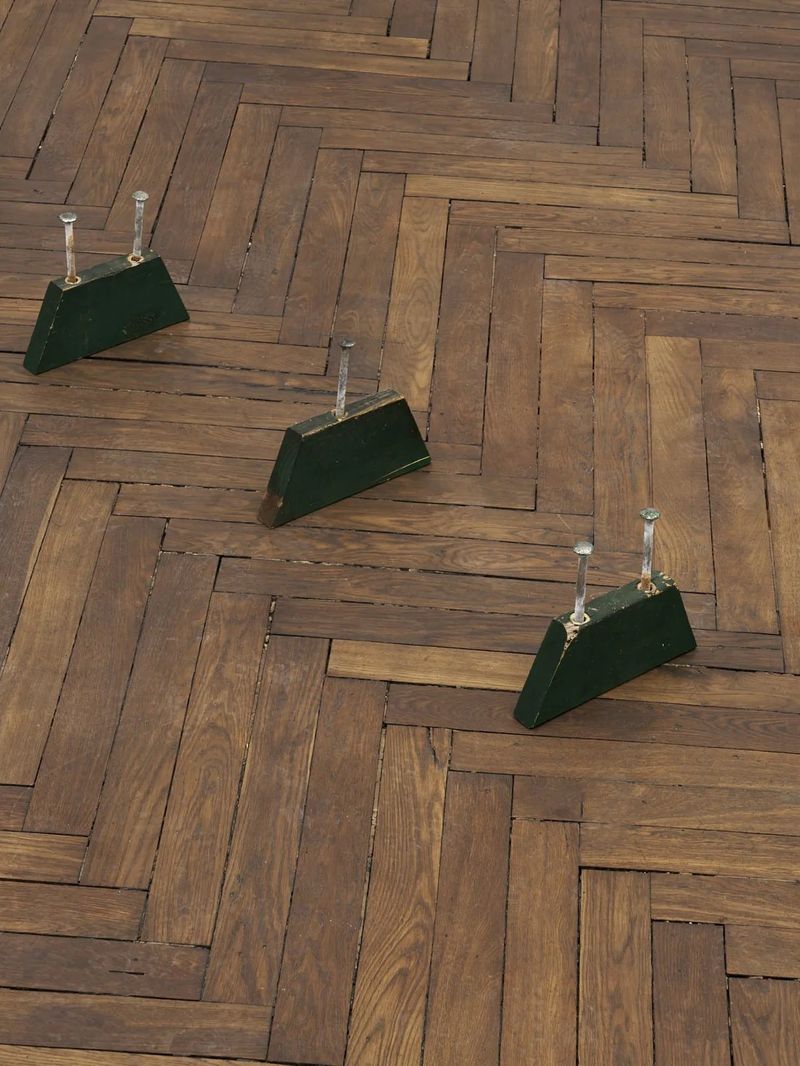
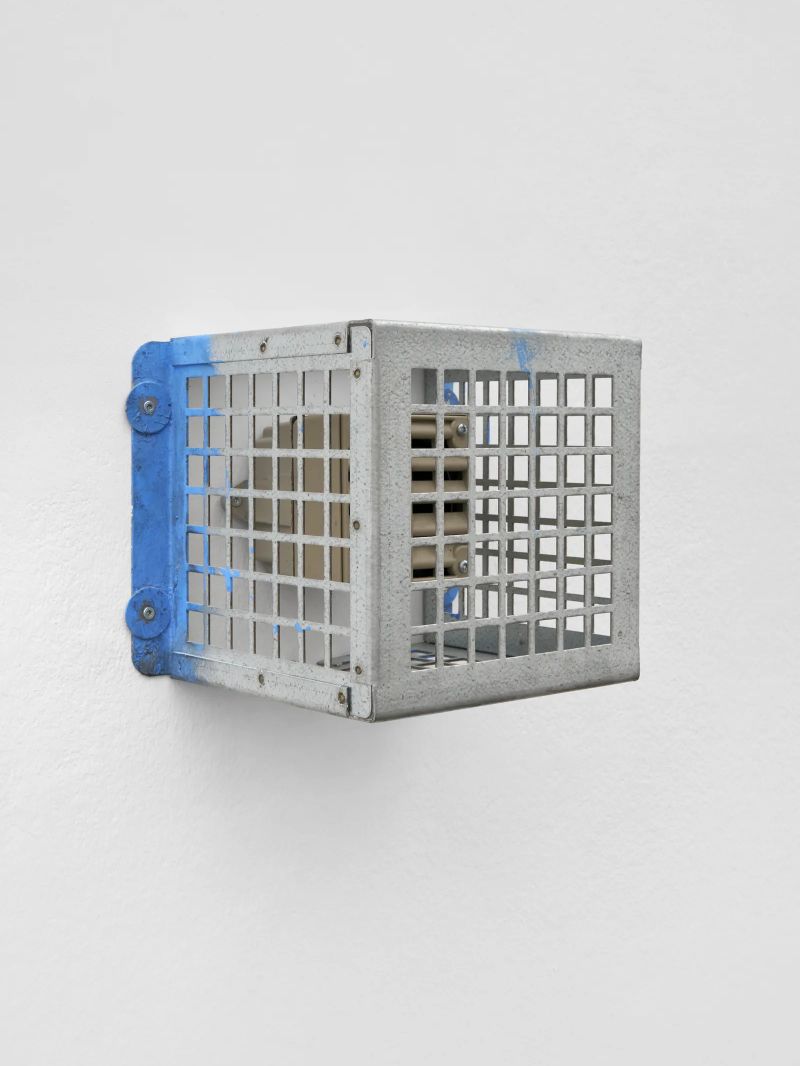
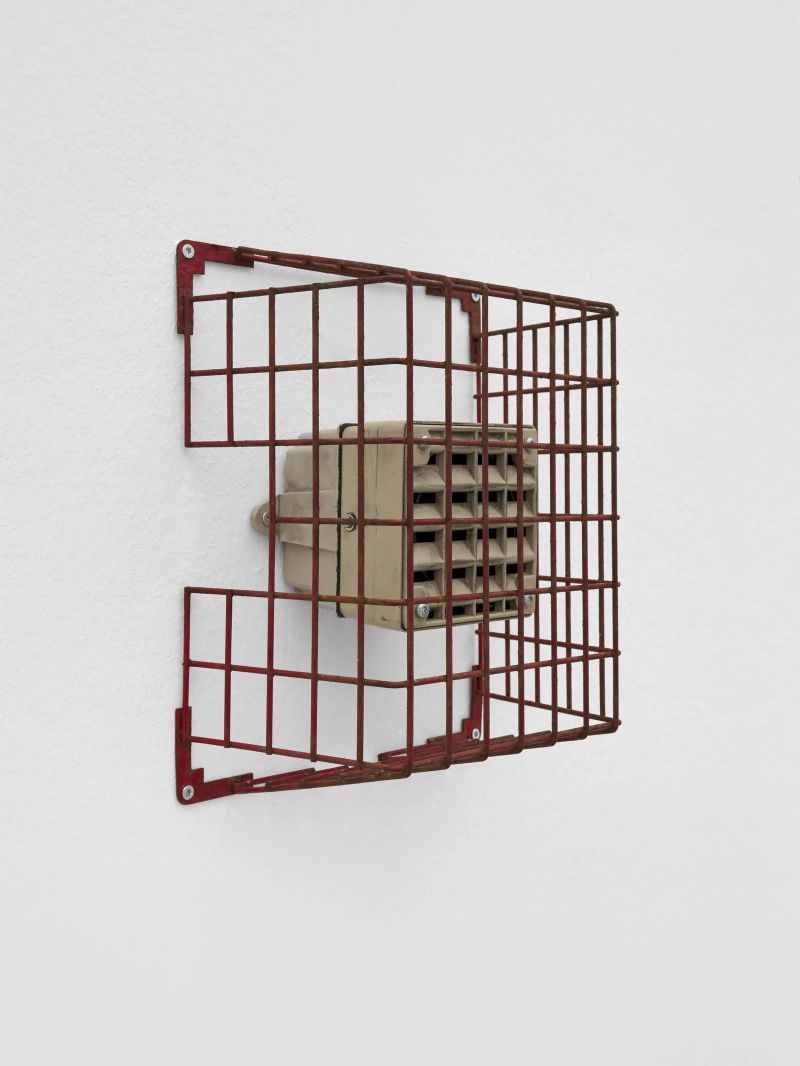
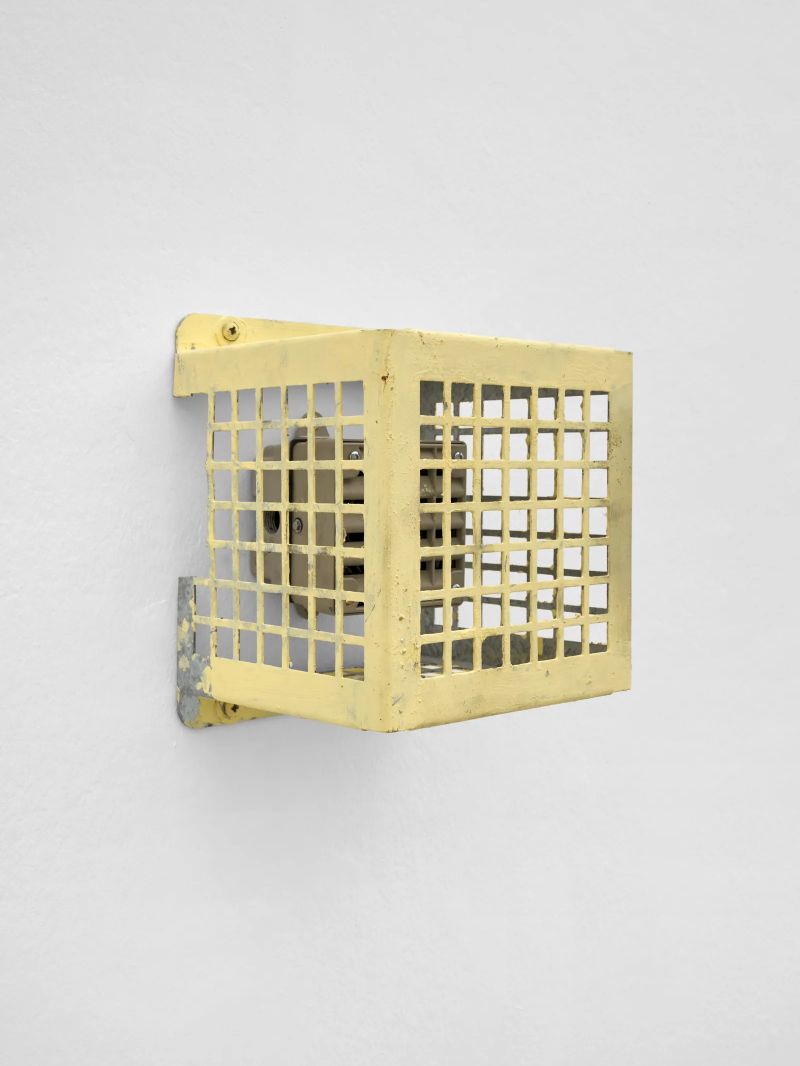
In Nachtruhe, his exhibition at Galerie Thomas Schulte, New York-based artist David L. Johnson traces how curfews, closures and policing zones reshape public space after dark in three cities: Philadelphia, New York and Berlin. Through removed devices, salvaged objects, maps and photographs, the exhibition lays out the legal and material mechanisms by which access to parks and streets is restricted at night. In Philadelphia, City Code §10-303 (Unlawful Conduct of Minors) bars unaccompanied minors from remaining in public spaces after designated night-time hours. Children aged thirteen and under are subject to a curfew from 9:30 pm to 6:00 am, while those aged fourteen to seventeen may not be out between 10:00 pm and 6:00 am. The curfew changes the legal status of public space, granting police expanded powers to stop and detain young people on the street, inside local businesses and in green spaces. Since 2014, the Philadelphia Department of Parks and Recreation has installed Mosquito devices in more than thirty parks and recreation centres across the city. These sound deterrents emit high-frequency tones between 16 and 18.5 kilohertz, causing irritation and, with prolonged exposure, sometimes nausea. Although marketed as mainly affecting people under twenty-five, the Mosquito is often audible to a far wider range of listeners. And while the city maintains that the devices only operate during curfew hours, some run throughout the day, making their sound a permanent condition of several neighbourhood parks. In New York City, the enforcement of park curfews intensified during the 1980s, at a time when many parks were still open around the clock. In 1988, an attempt to impose a night-time curfew on Tompkins Square Park – then home to the city's largest community of squatters – sparked protests that were met with widespread police violence. Three years later the park was forcibly cleared and closed, followed by landscaping and security renovations that allowed far greater control over who could enter. Today, gates, floodlights and police barricades continue to restrict access to parks such as Tompkins Square. At the same time, many publicly accessible spaces in New York are privately owned and managed as privately owned public spaces (POPS). Though largely ungated, they are frequently patrolled by private security firms. In some cases these firms illegally drill or glue patrol tags onto trees and other city-owned property to log their guards' rounds, extending private surveillance beyond the properties they have been hired to protect. In Berlin, Görlitzer Park forms part of a Kriminalitätsbelasteter Ort (kbO) – one of seven designated policing zones in which officers may carry out identity checks and searches without individual suspicion. Maintained by successive Senate coalitions, the exact boundaries of these zones remained undisclosed for years. Following sustained public pressure and inquiries to the Senate by groups including Kampagne für Opfer rassistischer Polizeigewalt and Wrangelkiez United, a new police reform law required the Berlin police to publish the precise boundaries for the first time in February 2026. The State of Berlin released each kbO as a separate map on its website. Viewed together, the maps reveal that the zone containing Görlitzer Park reaches far beyond the park itself, crossing the Landwehr Canal and joining the neighbouring Warschauer Brücke kbO. On 1 March, a night-time closure of Görlitzer Park came into force as part of a security agenda pursued by Berlin's CDU-led Senate. Access was restricted after 10:00 pm, and after 11:00 pm in the summer months. To enforce the closure, officials fixed gates to an existing stone wall originally built as a retaining wall for the nineteenth-century Görlitzer Bahnhof. On 1 June, after a series of material and legal interventions by local activists and residents, the Berlin Administrative Court suspended the closure, ruling that the Senate administration lacked the authority to impose it. The park remains open at night while the legal dispute continues – but the enclosure is still in place.