
Exhibo Editorial
UNESCO Places Ancient Crimean Site on Danger List Amid Occupation
The 48th World Heritage Committee meeting in Busan recognises mounting threats to Tauric Chersonese following years of disputed stewardship.
A Site Under Pressure
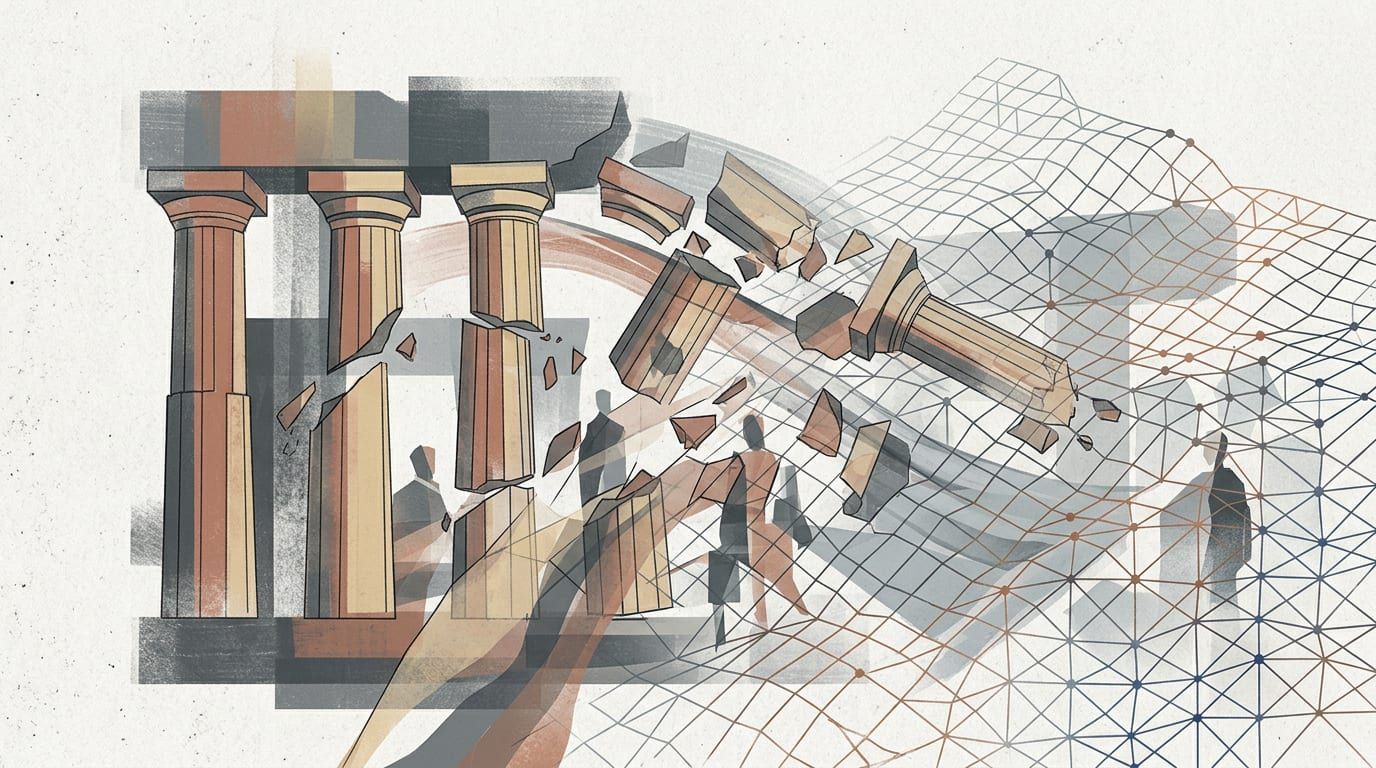
The ancient Greek settlement of Tauric Chersonese has been formally placed on Unesco's endangered heritage register. The designation was confirmed on 22 July during the 48th session of the World Heritage Committee, which convened in Busan, South Korea, between 19 and 29 July. Originally inscribed as a Ukrainian property in 2013, the archaeological zone predates the disputed annexation of the peninsula by Moscow in March 2014.
Ukrainian officials have welcomed the classification as a necessary acknowledgment of the site's deteriorating condition. Culture Minister Tetyana Berezhna highlighted how the temporary military presence has facilitated unauthorised digs, structural alterations, and the dispersal of artefacts. She also urged protective measures for other regional landmarks, notably the Khan's Palace in Bakhchisarai, which holds profound significance for the Crimean Tatar community.
Governance and Conservation Concerns
The committee's ruling follows extensive documentation regarding the management of the Chersonese reserve. Since the occupation began, oversight has been transferred from academic institutions to a foundation linked to the Russian Orthodox Church. Tikhon Shevkunov, a senior cleric appointed by the Kremlin, now directs operations at the location. Kyiv-based researchers and heritage advocates argue that this administrative shift has prioritised visitor facilities and ideological programming over professional conservation standards.
Satellite imagery and field assessments compiled over the past decade have been instrumental in substantiating these claims. Yevheniya Kravchuk, a Ukrainian parliamentarian involved in the submission process, noted that Unesco initially requested remote sensing data to verify on-the-ground alterations. The successful application demonstrates how modern monitoring tools can bridge evidentiary gaps when physical access is restricted. However, she also pointed out a structural weakness in the 1972 World Heritage Convention: the framework traditionally holds sovereign states accountable for preservation failures, yet it struggles to address threats emanating from occupying forces during active hostilities.
Broader Geopolitical Context
The Busan session addressed multiple conflict-affected locations. Sebastia, situated in the West Bank, and five historic fortifications in southern Lebanon's Mount Amel region were also added to the danger register. Meanwhile, three previously listed Ukrainian properties—Saint Sophia Cathedral, the Kyiv Pechersk Lavra, and the historic districts of Lviv and Odesa—retained their endangered status. The committee cited the persistent risk of military strikes, with documented damage occurring at the Lavra in June and the cathedral during the preceding summer.
Russian representatives have consistently rejected such classifications. Rinat Alyautdinov, Moscow's permanent delegate to Unesco, characterised the latest ruling as politically motivated. State media reported that Russian authorities have submitted conservation reports to the agency since 2014, which have been dismissed, and attributed any structural harm to stray Ukrainian munitions. Alyautdinov maintained that Moscow continues to honour its treaty obligations and remains open to technical dialogue.
The designation arrives alongside other cultural sector responses to the regional conflict. Earlier this week, the Venice Biennale terminated a substantial financial partnership with the Russian state pavilion following its participation in the exhibition. Meanwhile, Kyiv continues legal and diplomatic efforts to recover looted antiquities, including the successful repatriation of Scythian gold artefacts from Amsterdam and the pursuit of archaeologists allegedly involved in unauthorised excavations.
Galleries mentioned

Museums mentioned
Exhibitions mentioned

Related reading

The Philadelphia Museum of Art's New Pedagogical Ambition
How a major philanthropic gift is reshaping institutional pedagogy
Monet's Monumental 'Iris' Commands €50m in Paris
A landmark auction results in a new domestic benchmark for Impressionist masterworks
Anselm Kiefer's Monumental Canvas Finally Leaves Storage with Bespoke Chipperfield Pavilion
A dedicated architectural intervention brings the artist's largest works into public view