
Exhibo Editorial
How to Start an Art Collection: A Beginner's Guide for 2026
A practical handbook for navigating the contemporary art market, training your eye, and buying original works with confidence.
The contemporary art market has historically carried a reputation for being exclusive, complex, and reserved only for the ultra-wealthy. However, as we move through 2026, the traditional barriers to collecting are falling away. A younger, more diverse generation of collectors is entering the market, driven not by a desire to speculate on prices, but by a genuine passion for cultural connection and a wish to support living artists. Today, anyone with curiosity, patience, and a modest budget can begin building a meaningful collection of original art.
Starting this journey does not require you to have a massive bank account or a degree in art history. It simply requires you to trust your own eyes, ask questions, and learn how to navigate the gallery system. This guide walks you through the practical steps of starting an art collection from scratch, helping you define your taste, establish a sensible budget, and make your first acquisition with confidence. To help you navigate these changing local art scenes, platforms like Exhibo act as your digital companion, providing a comprehensive online directory of contemporary art galleries, museums, and exhibition openings worldwide.
The democratization of the modern art market
The traditional hierarchies that once dominated the art world have loosened significantly in recent years. Historically, the market was controlled by a small group of elite galleries, wealthy patrons, and high-profile auction houses that determined which artists were valuable. In 2026, this gatekeeping is being challenged by a highly decentralized network of artist-run spaces, online directories, and independent platforms that allow buyers to connect directly with creative talent.
This shift is largely driven by millennial and Gen Z collectors who view art as a form of personal identity and community support rather than a sterile financial asset. Younger buyers are intentionally seeking out works by emerging artists, female painters, and historically underrepresented creators, using their collections to document the cultural stories of our time. This shift has made the art world far more accessible, welcoming, and transparent for first-time buyers who want their purchases to reflect their personal values.
Navigating this decentralized market, however, requires reliable information. Without the traditional gallery gatekeepers, finding high-quality exhibitions and trackable artist histories can be a challenge. That is why modern discovery platforms are so important. By offering a curated, structured directory of local galleries, Exhibo helps beginner collectors bypass the noise, allowing them to explore physical art spaces in their cities and research artists before committing to a purchase.
Defining your artistic tastes
Before you spend a single pound on a piece of art, you must spend time educating your eye and understanding what styles genuinely appeal to you. The most common mistake first-time collectors make is buying a piece too quickly, only to realize a few months later that their tastes have completely changed.
Educating your eye through slow observation
Taste is not something you are born with; it is a muscle that must be trained through regular, active viewing. The best way to start this process is by visiting as many physical art spaces as possible without any intention of buying. Walk through public museums, independent galleries, and temporary exhibitions, paying close attention to how different works make you feel.
This process of learning how to see is very similar to wine tasting. When you first start, everything might taste similar, but as you experience more varieties, you begin to distinguish the subtle differences in texture, colour, and composition. Your eye gradually becomes educated, allowing you to identify the specific styles, mediums, and themes that consistently hold your attention across different exhibitions.
To make this viewing process more productive, try to take brief notes or photos of the artworks that stop your scroll or hold you in place in a gallery room. Over a few months, review these notes to find common patterns. You might find that you are consistently drawn to bold geometric abstractions, quiet black-and-white photography, or highly textured portraiture, giving you a clear direction for your future collection.
Embracing raw humanity and imperfection
One of the defining artistic trends of 2026 is a strong rejection of digital perfection in favour of visible human craft. In a world saturated with artificial intelligence and highly polished digital screens, collectors are paying a premium for artworks that show clear signs of being made by hand. This trend has led to a major resurgence of interest in raw, tactile, and expressive physical mediums.
This movement is visible in the growing popularity of contemporary naїve painting, layered paper collages, and expressive, dreamlike surrealism. In these works, the "seams" of the creative process are left completely exposed. You will see visible brushstrokes, irregular cut lines, dripping paint, and minor physical imperfections that serve as undeniable evidence of human authorship and emotional risk.
When you are defining your taste, consider how these tactile qualities fit into your living environment. A piece that carries the physical textures of the studio—such as heavily layered oil paint or hand-carved wood—creates a warm, human connection in a modern home. Collecting works that celebrate these imperfections ensures that your collection feels alive, personal, and deeply connected to human experience.
Collecting for identity rather than financial speculation
It is important to be honest with yourself about why you want to collect art. While some collectors buy art primarily as an alternative financial asset to diversify their investment portfolios, this approach is highly risky for beginners. The art market is famously unpredictable, and there are absolutely no guarantees that a piece purchased today will appreciate in value in the future.
Instead, the most successful and rewarding collections are built on personal resonance and identity. When you buy a piece because you genuinely love it and want to live with it every day, you can never truly make a bad investment. If the piece never increases in monetary value, it still retains its immense personal and aesthetic worth, transforming your home and reminding you of a specific moment in your life.
Furthermore, collecting for identity allows you to become a patron of the arts, helping living creators pay their rent, buy studio materials, and continue their practices. Knowing that your purchase has directly supported an artist's career adds a layer of emotional value that no stock certificate or real estate investment can ever match. It transforms your collection from a simple display of wealth into a meaningful record of cultural support.
Setting a realistic budget and starting small
You do not need to be a millionaire to collect original contemporary art. In fact, some of the most respected collections in the world were started by people with modest incomes who simply allocated a small portion of their monthly savings to buying art over several decades.
The accessibility of works on paper
For beginner collectors with limited budgets, works on paper represent an exceptional entry point into the original art market. This category includes pencil drawings, charcoal sketches, watercolours, and pastel pieces executed on high-quality archival paper. Because these works are often considered preparatory steps for larger canvases, they are generally priced significantly lower than oil paintings.
Despite their lower price tags, works on paper are often more intimate and revealing than finished paintings. They capture the artist's immediate, raw thoughts and the initial energy of their creative process, free from the heavy staging of a major canvas. Many collectors find that these sketches feel more spontaneous and personal, offering a direct window into the creator's mind.
When buying works on paper, it is important to remember that they require careful conservation, as paper is more sensitive to humidity and light than canvas. However, the savings on the initial purchase price usually leave plenty of room in your budget for professional, archival framing. This makes them a highly practical and sophisticated way to start your collection.
Navigating the world of limited editions and prints
If you want to collect pieces by established or mid-career artists whose original paintings are outside your budget, limited edition prints are an excellent alternative. It is vital to distinguish between cheap, mass-produced digital poster reproductions and fine art prints, such as screenprints, lithographs, and etchings. Fine art prints are created in collaboration with professional printmakers, using traditional press techniques where the artist is directly involved in the production and signing of each piece.
The value of a fine art print is largely determined by the size of the edition run. For example, a print from an edition of 50 will be more exclusive and hold its value better than a print from an edition of 500. Each print should be individually numbered by the artist's hand (such as "5/50," indicating it is the fifth print in a run of fifty) and accompanied by a certificate of authenticity.
Collecting limited editions allows you to build a collection featuring recognizable names while staying within a sensible budget. Over time, as your budget expands, you can transition from collecting prints to purchasing original, one-of-a-kind paintings, using your early print acquisitions as a solid foundation for your changing taste.
Supporting emerging artists from art schools
Another highly effective strategy for collecting original art on a budget is to buy directly from emerging artists who are still in art school or have recently graduated. Visiting university degree shows and graduate exhibitions is one of the most exciting ways to spot raw talent before the commercial gallery market discovers them.
At these graduate exhibitions, you can often purchase high-quality, ambitious paintings, sculptures, and mixed-media works for under one thousand pounds. At this stage of their careers, artists are incredibly grateful for the support, and the money from your purchase often goes directly toward funding their first independent studio spaces.
Developing a relationship with an artist at the start of their journey is one of the most satisfying aspects of collecting. As the years go by, you can watch their practice mature, follow their exhibitions in independent galleries, and see their critical recognition grow. There is a unique thrill in knowing that you recognized and supported their talent before they became a established name in the art world.
Navigating galleries, fairs, and digital platforms
Once you have set a budget and have a general idea of what styles you like, the next step is to find where to buy. The contemporary art market offers several different venues for purchasing work, each with its own set of rules and social dynamics.
Breaking down the commercial gallery barrier
For many beginners, walking into a high-end commercial art gallery can feel incredibly intimidating. The quiet, minimalist interiors, locked glass doors, and formal staff behind sleek reception desks often create an atmosphere that feels exclusionary. However, it is important to remember that galleries are open public spaces, and their primary purpose is to show and sell the work of the artists they represent.
Gallery staff are generally passionate about art and are usually more than happy to talk to visitors who show a genuine interest in the exhibition. Do not be afraid to ask simple, direct questions about the artist's background, the techniques they used, or the prices of the works on display. If a piece does not have a price list visible, you can simply ask the receptionist for a digital or printed "checklist" of the exhibition, which lists the titles, dimensions, and prices of all the artworks.
Building a good relationship with local galleries is essential for any serious collector. Once a gallery owner knows your tastes and budget, they can keep you informed about upcoming exhibitions, send you digital previews of new works before they go on public display, and invite you to exclusive artist talks and opening night events.
Maximizing your time at contemporary art fairs
Art fairs are massive, high-energy events where dozens, or sometimes hundreds, of commercial galleries set up temporary booths in a single venue over a weekend. Fairs like Art Dubai, World Art Dubai, or local boutique fairs offer an incredible opportunity to view thousands of different artworks from around the world in a single afternoon, making them excellent for comparing prices and spotting global trends.
However, the sheer volume of visual information at an art fair can easily lead to sensory fatigue. To avoid making impulsive, regretful purchases, it is best to treat your first walk through the fair as a research trip. Walk through the aisles with a notebook or phone, taking photos of the booths and artworks that stand out, and then leave the venue to have a coffee and review your findings.
Talking to gallery directors at their fair booths is often easier than in their permanent gallery spaces, as the environment is much more social and conversational. Fairs are also great places to discover galleries from other cities or countries that you might not have the opportunity to visit physically, expanding your collecting horizons beyond your local neighborhood.
Utilizing Exhibo as a modern discovery companion
While physical gallery visits and art fairs are irreplaceable, digital tools have become an essential part of the modern collecting process. In 2026, most collectors use a hybrid approach, combining online research with physical viewing to make informed, confident purchasing decisions.
Using digital directories like Exhibo simplifies this process by organizing local gallery networks into a clean, searchable format. Instead of spending hours searching through social media algorithms or outdated blog posts, you can use the platform to see what exhibitions are currently running in your city, find detailed information about gallery opening hours, and research represented artists.
+--------------------------------------------------------+
|                      EXHIBO.ART                        |
|   [ Discover Galleries ]  -->  [ View Active Shows ]   |
|            |                             |             |
|            v                             v             |
|   [ Research Artists ]    -->  [ Plan Physical Visits ]|
+--------------------------------------------------------+
By helping you plan your gallery-hopping routes and providing direct links to gallery websites, Exhibo ensures that you arrive at physical art spaces well-informed and ready to engage with the work. It acts as an accessible entry point that demystifies the gallery world, allowing beginners to explore their local art scene at their own pace.
Talking to artists and gallerists: Asking the right questions
When you find a piece of art that you are seriously considering purchasing, it is important to gather as much context as possible before making your decision. Understanding the narrative, inspiration, and history behind an artwork not only enriches your personal connection to the piece but also helps you evaluate its long-term value.
I remember standing in a drafty warehouse in East London during my first year of attempting to buy art. I was terrified of asking the price of a small pencil sketch, convinced that the gallerist would look at my worn boots and ignore me. The reality was the exact opposite: they were delighted to talk to a young person who actually cared about the work, spending twenty minutes explaining the artist's residency in Japan.
When discussing an artwork with an artist or gallery director, consider asking these simple, informative questions:
What was the artist’s inspiration or conceptual starting point for this specific series? (This helps you understand the story behind the visual elements).
Is this work part of an active, ongoing series, or is it a standalone piece? (This gives you context on where the artwork sits within the artist’s broader career).
What specific materials and techniques were used to create this piece? (This is crucial for understanding how to care for and preserve the physical artwork over time).
Does the price include framing, or can the gallery assist in organizing professional, archival framing? (Framing can add significant extra costs, so it is best to clarify this early).
Asking these questions demonstrates that you are a thoughtful, serious buyer who respects the artist's work, which is the best way to start building lasting relationships within the creative community.
The logistical side of art ownership: Framing, placement, and care
Buying an artwork is only the first step; once you take the piece home, you assume the responsibility of preserving and protecting it for the future. The logistical side of art ownership is often overlooked by beginners, but proper framing, placement, and care are essential for maintaining both the aesthetic beauty and physical value of your collection.
First and foremost, original works on paper, photography, and delicate textiles should always be framed using archival-grade materials. This means using acid-free mounting boards and UV-protective glass or acrylic. Standard commercial frames often use cheap cardboard backings that release harmful acids over time, causing paper to yellow, spot, and deteriorate. Spending a bit extra on a professional, archival framer is a necessary investment that will keep your art looking pristine for decades.
Placement is another critical factor in preserving your collection. Direct sunlight is the single greatest enemy of physical art, as UV rays will rapidly fade colours, bleach paper, and damage paint binders. Hang your most delicate pieces on interior walls that do not receive direct sunlight, and avoid placing artworks directly above active radiators, fireplaces, or in humid environments like bathrooms, where rapid temperature changes can cause canvas to stretch and paper to warp.
Finally, keep a clean, organized physical and digital folder containing all documentation associated with your collection. This includes your purchase invoices, certificates of authenticity, artist biographies, and exhibition catalogues. This documentation—known in the art world as "provenance"—is essential if you ever decide to have your collection valued for insurance purposes or if you decide to sell or donate a piece in the future.
Simple strategies for a cohesive art collection
As your collection begins to grow beyond your first few purchases, you may want to start thinking about how your different pieces relate to one another. Building a cohesive collection does not mean you have to buy the exact same style of art repeatedly; it simply means finding subtle threads that connect your pieces.
To help you build a thoughtful and unified collection, consider incorporating these simple strategies:
Limit your focus to a specific geographic region or community: For example, you might decide to focus on collecting works by emerging artists based in your home city, or artists from a specific global diaspora.
Collect around a recurring conceptual theme: You could build your collection around themes like urban change, natural landscapes, domestic spaces, or abstract geometric forms.
Set a strict limit on medium or scale: If you live in a compact apartment, you might decide to build a collection of small-format sculpture or original works on paper that fit easily into smaller spaces.
Choose a consistent colour palette: Selecting works that share complementary colour tones can create a beautiful visual flow when the pieces are displayed together across different rooms in your home.
By applying these simple constraints, you can prevent your collection from feeling like an accidental assortment of items, turning it instead into a curated, personal statement.
Comparing different art mediums for beginner collectors
Different art mediums offer unique advantages and require different levels of care. The table below compares four common mediums, helping you decide which format best aligns with your budget, space, and lifestyle.
Medium | Average Price Range | Key Advantage for Beginners | Maintenance Difficulty |
Works on Paper | Low to Medium (£200 - £800) | Offers an intimate, immediate look into the artist's raw creative process | Medium (Requires archival framing and UV-protective glass to prevent yellowing) |
Limited Edition Prints | Low (£100 - £500) | Highly accessible way to acquire recognizable pieces by mid-career artists | Low (Easy to store, frame, and transport due to standard dimensions) |
Original Paintings | Medium to High (£800 - £5,000+) | Unique, one-of-a-kind physical presence with rich, tactile paint textures | Low (Very durable on canvas, though must be kept out of direct sunlight) |
Fine Art Photography | Low to Medium (£300 - £1,500) | Clean, modern aesthetic that fits easily into contemporary minimalist interiors | Medium (Must be printed on archival paper and kept away from high humidity) |
Frequently asked questions
Do I need a certificate of authenticity when buying art?
Yes, a certificate of authenticity (COA) is highly important when purchasing original artworks or limited edition prints. The COA should be signed by the artist or the representing gallery and contain key details such as the title, year of creation, medium, dimensions, and edition number if applicable. Always keep this document stored safely in your personal archive.
Is it acceptable to negotiate on the price of an artwork in a gallery?
While high-end galleries rarely offer discounts to the general public, it is generally acceptable for polite buyers to ask if there is any flexibility on the price, especially if you are a first-time collector. Galleries will occasionally offer a modest discount of 5% to 10% to collectors who are serious about building a long-term relationship, or they may offer interest-free payment instalment plans over several months.
How do I know if an emerging artist's career is growing?
You can evaluate an emerging artist's career growth by looking at their exhibition history, which is usually listed on their website or gallery profile. Look for signs of active engagement, such as participation in group exhibitions at respected independent spaces, artist residencies, features in independent art publications, or acquisitions by public or private foundations.
Can Exhibo help me find art galleries near my location?
Yes, Exhibo is designed specifically to help users discover and explore local art ecosystems. By providing an organized directory of physical galleries, active exhibitions, and museum spaces, the platform allows you to easily find art spaces near you, check their opening hours, and plan your physical gallery visits with ease.
Galleries mentioned
Museums mentioned

Related reading
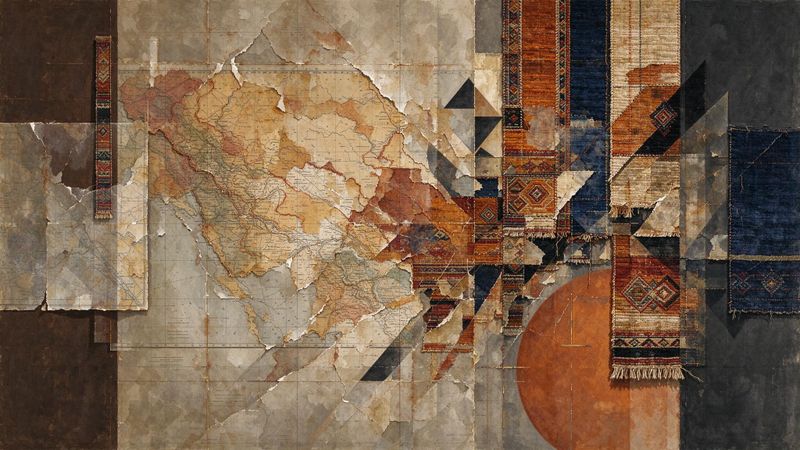
Whilst We Are Savages: Colonial Constructs and Atlantic Dialogues
A critical survey at TEA Tenerife exploring how colonial frameworks shaped identity, territory, and knowledge across Europe, Africa, and Latin America.
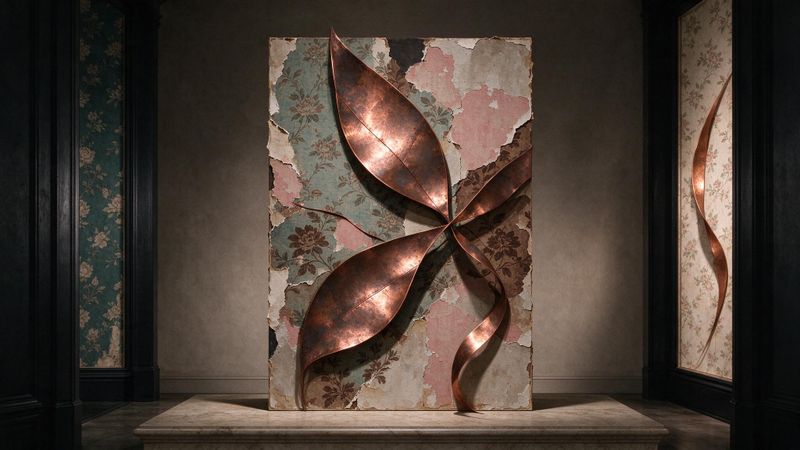
William Morris Gallery Reopens With Intimate Restoration and New Focus
A comprehensive overhaul at the Walthamstow venue explores the designer's contradictions through newly displayed archives and a domestic curatorial approach.
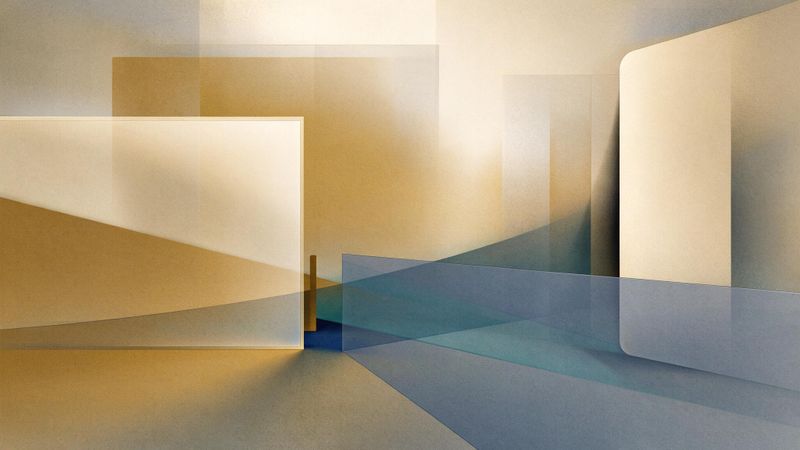
São Paulo's MAM Returns With Landmark Art Survey After Renovation
The 39th Panorama of Brazilian Art opens the renovated pavilion, exploring representation through contemporary practice.
Following a lengthy refurbishment, the iconic institution welcomes its historic recurring survey, featuring thirty-three emerging voices tackling questions of identity and form.