
London · United Kingdom
Five Ethiopian Artefacts Restituted in London Ceremony
Robert McCarthy's direct transfer marks a new phase in the Toledo Museum of Art's ambitious twenty-year repatriation plan.
London Handover
Five historic Christian objects arrived at the Ethiopian embassy in London on Wednesday 18 November. It's a quiet shift in how Western museums handle contested African holdings. Robert McCarthy arranged the transfer himself. Toledo Museum of Art declined to take them. Records indicate these pieces won't qualify for the museum's archives. That legal hurdle forced a direct handover. You can trace the provenance issues straight back to colonial campaigns. The British troops seized much of this material at Maqdala in 1869. Oddly enough, McCarthy has spent decades collecting European medieval works before turning his attention southward in the nineteen nineties. He lent pieces to a touring show called Ethiopia at the Crossroads.
Toledo will acquire three hundred and seventy-five Ethiopian objects from McCarthy. Two thirds will be donated outright. The museum will buy the rest. Some pieces will appear in the renovated spaces. Others will begin their process home immediately. The division follows a strict legal audit. Items flagged as illicitly removed face immediate repatriation. Legitimate exports stay put. Ambiguous cases require bilateral talks. Half the total might eventually travel east. The mechanism feels experimental but necessary. The American financier originally expanded his holdings during the nineteen nineties when provenance checks remained remarkably loose, and he now hopes this careful divestment will set a precedent for global restitution efforts. Toledo Museum of Art plans to reintegrate the remaining pieces into its permanent galleries following a complete structural overhaul that will not conclude until the autumn of twenty twenty seven. Sophie Ong, who serves as assistant director of strategic initiatives, recognised early on that private collectors must eventually confront the heavy ethical weight of holding culturally significant heritage abroad. Any artefact proven to have crossed borders without official permission will be shipped back to the Horn of Africa within months rather than waiting for endless bureaucratic delays.
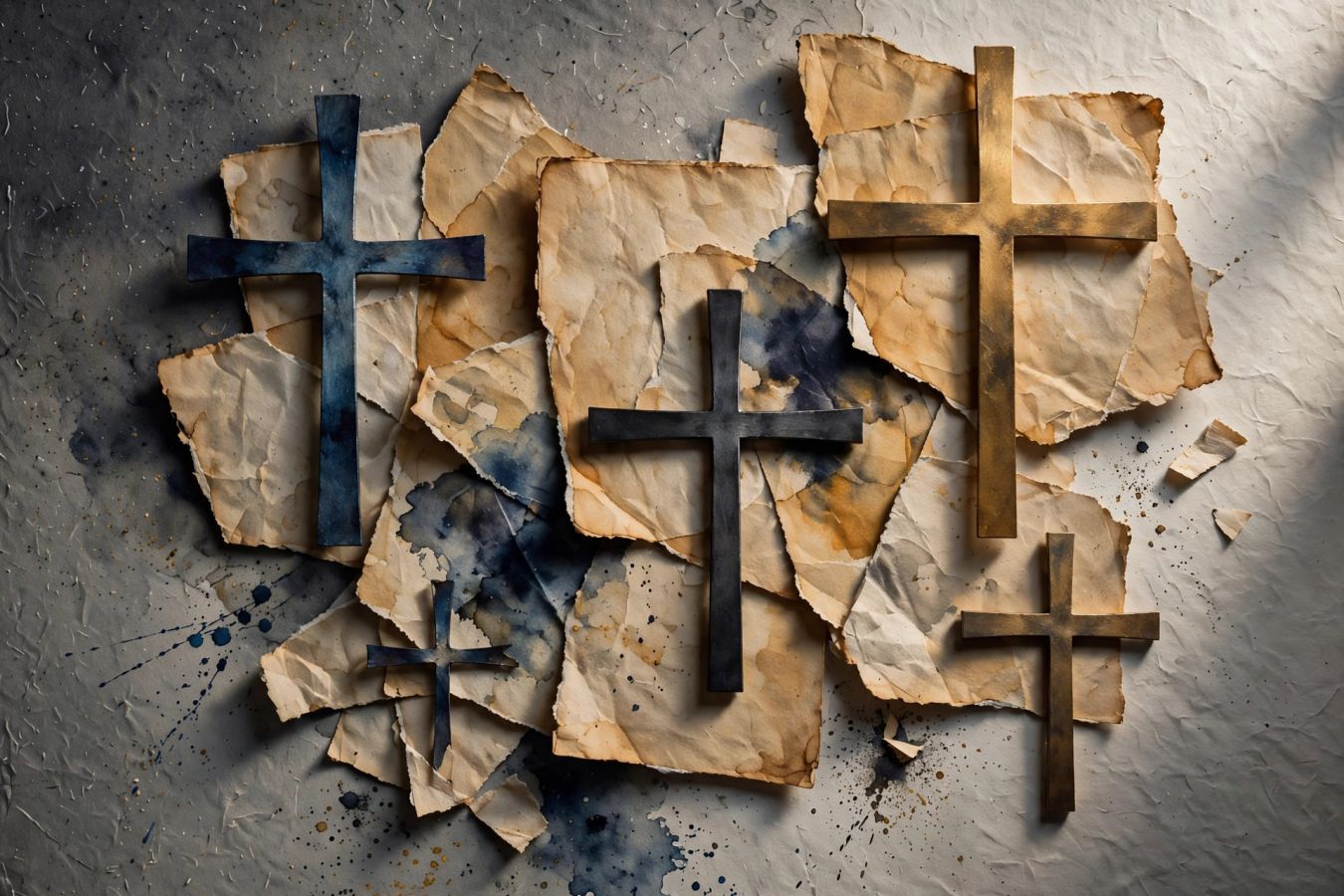
Alula Pankhurst called the tripartite setup a fresh model of partnership during the London event. The plan stretches over two decades. Officials will judge each object individually. Stewardship of ambiguous cases requires joint decisions. Roughly half the collection could eventually reach Addis Ababa. This structure might well influence how other African nations negotiate similar claims. The five items returned today include two fifteenth century illuminated manuscripts and three brass processional crosses. Each cross bears incised inscriptions that could pinpoint their original churches. The earliest manuscript contains a Book of Revelation paired with a daily cycle of prayers alongside seven full page illuminations dating from around fourteen hundred. Scholars first recorded the second volume at a parish near Wafa Yasus in nineteen seventy four.
These artefacts now fly to Addis Ababa. A dedicated exhibition opens in December. Curators will display mostly recovered Maqdala spoils alongside these newly returned works. Visitors will soon have to decide whether sacred objects belong behind glass or back in local congregations. The Ethiopian Orthodox Tewahedo Church may demand their return. The conversation remains unresolved.
Related reading

The Real Oasis of The Alchemist: Al-Fayoum and the Dream Coelho Borrowed
Paulo Coelho sent his shepherd to a real place in Egypt. What Santiago would have found there and where the story of the treasure at home came from.
Nan Goldin's New Film Explores Extinction in London Show
The Hayward Gallery presents her first UK museum solo in over twenty years.

South London Gallery Director Margot Heller Steps Down After 25 Years
A quarter-century of expansion, architectural transformation, and curatorial ambition comes to a close.