
Cologne · Germany
untame flow stay release: Water, Accessibility, and the Politics of Shared Space
Reimagining Space Through Water and Accessibility
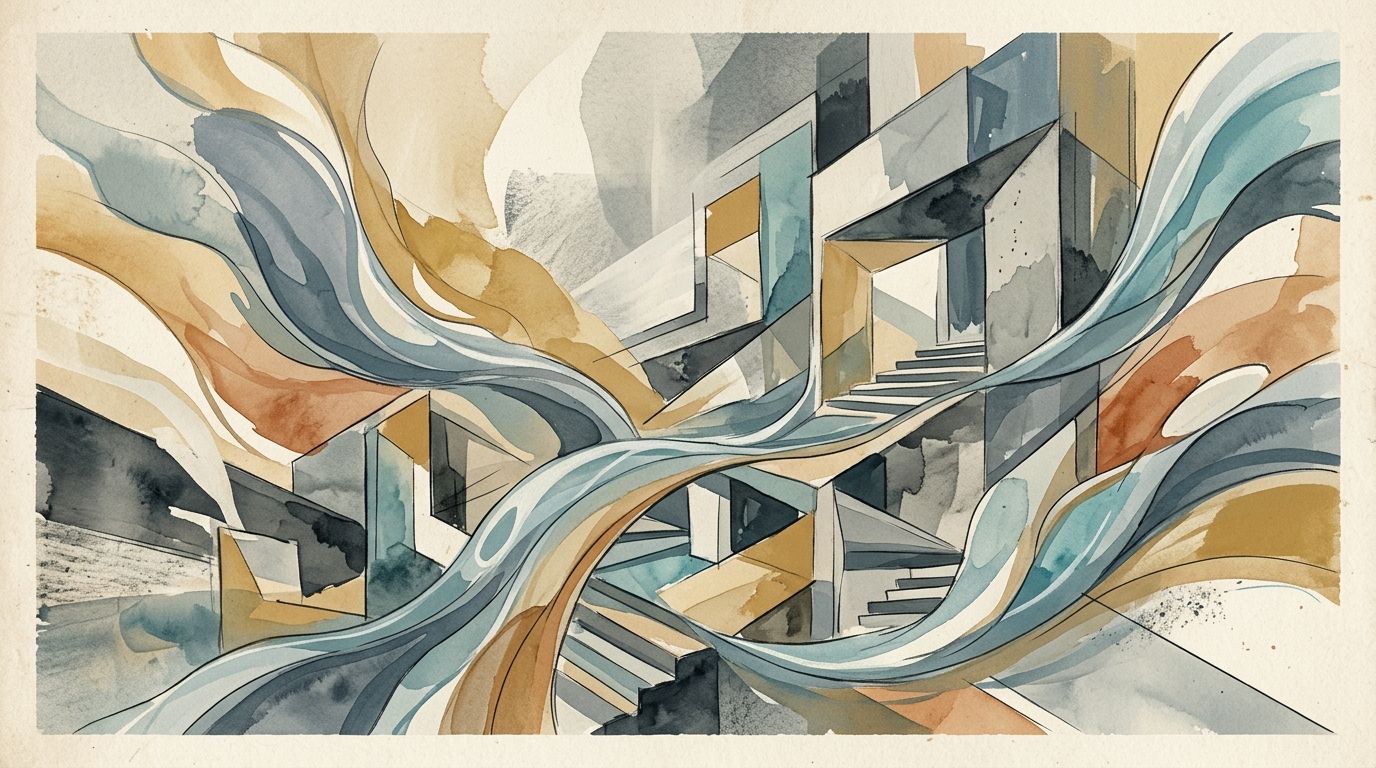
The Temporary Gallery in Cologne presents untame flow stay release, running from 31 August to 29 November 2026. Curated by Jussi Koitela and Aneta Rostkowska, alongside Lisa Klosterkötter, the project interrogates how institutional frameworks and natural environments alike become sites of exclusion. Rather than treating the gallery as a neutral container, the exhibition positions it as an active participant in processes of collective recovery and ecological awareness.
Architect Jakob Engel designs the layout to dissolve rigid boundaries between objects, research materials, and areas designated for rest. This structural choice mirrors the exhibition’s core premise: that both the Rhine and conventional white-cube spaces are heavily engineered systems. Historically channelled through dams and embankments for commercial utility, the river shares DNA with the modern gallery, which often prioritises visual consumption over tactile engagement. Both environments can generate material and social harm, disproportionately impacting disabled individuals, those with chronic health conditions, and marginalised groups. The project advocates for dismantling these controlling mechanisms, proposing instead that radical accessibility inherently improves cultural infrastructure for all attendees.
Seven artists contribute practices that navigate these tensions. Pia Lindman offers a ceramic sound device inspired by Finnish vocal traditions, intended to resonate alongside the riverbed, accompanied by an animation capturing subtle sensory impressions from communal healing gatherings. Jenni-Juulia Wallinheimo-Heimonen repurposes a mobility aid into a sculptural form, pairing it with cinematic work that challenges clinical narratives through wit. Ren Loren Britton explores solidarity across disabled, trans*, Roma, and Sinti communities via a triptych video, reinterpreting celestial patterns as maps of mutual survival. Britton also provides modular seating for visitors seeking respite outdoors. Justyna Górowska constructs an immersive digital landscape where participants interact with a synthetic aquatic entity discussing ecological depletion. Finnegan Shannon introduces a timepiece whose single hand traverses the dial weekly, slowing temporal perception. Cecilia Vicuña screens footage of a collaborative textile ritual performed on a historic viaduct in Santiago de Chile, restoring memory to a polluted watershed. Finally, Anka Haller’s acrylic series charts a metamorphosis into an aquatic figure, framing submersion as emancipation.
Complementing the visual programme is a scholarly symposium titled detox access spaces. Coordinated with specialists in curation, architecture, and critical theory, this parallel initiative examines how contemporary display cultures frequently enforce sterile, sight-dominated protocols. Drawing upon Audre Lorde’s writings on embodied pleasure, contributors advocate for environments that welcome friction, material honesty, and multisensory engagement. A dedicated outdoor gathering scheduled for 15 November 2026 along the Cologne riverbank, organised with Raphael Daibert and Nada Rosa Schroer, will extend these dialogues into direct public interaction.
By refusing compartmentalisation between ecological critique and disability advocacy, the show demonstrates that inclusive design functions as a generative methodology rather than a constraint. The resulting configuration invites visitors to reconsider how we inhabit shared cultural territories, suggesting that loosening institutional grip may ultimately yield more resilient, compassionate frameworks for artistic encounter.
Related reading
Celebrating Half a Century at Cologne's Museum Ludwig
A milestone anniversary marked by landmark exhibitions and a critical reexamination of its holdings
The Museum Ludwig marks fifty years since its founding with two major shows, a public festival, and a renewed commitment to diversifying its narrative of twentieth-century art.
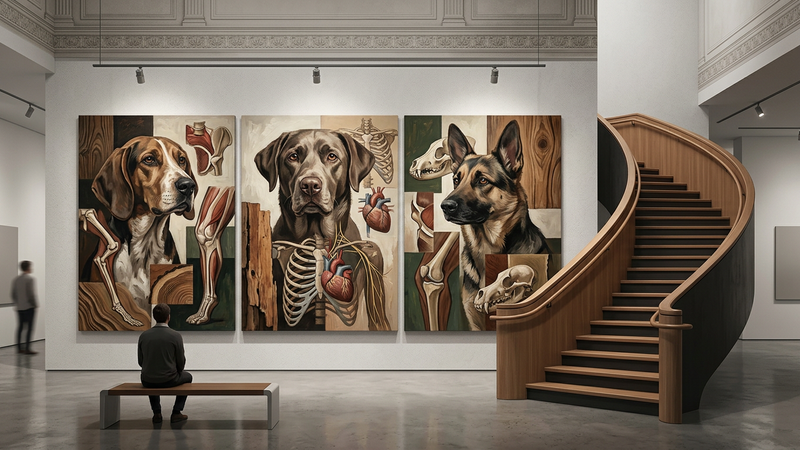
Jana Euler's Triptych Redefines Spatial Viewing at Museum Ludwig
A new installation explores perception, architecture, and the mechanics of looking
Museum Ludwig commissions Jana Euler for Schultze Projects #5, exploring perception and architecture in a new triptych.
Speculative Pen: Fabulating Institutional Futures
Three German art institutions convene an experimental symposium to reimagine the future of cultural organisations
Taking place in Cologne this July, Speculative Pen brings together artists, curators and researchers to collectively rethink institutional structures through speculative writing, workshops and collaborative exercises.