
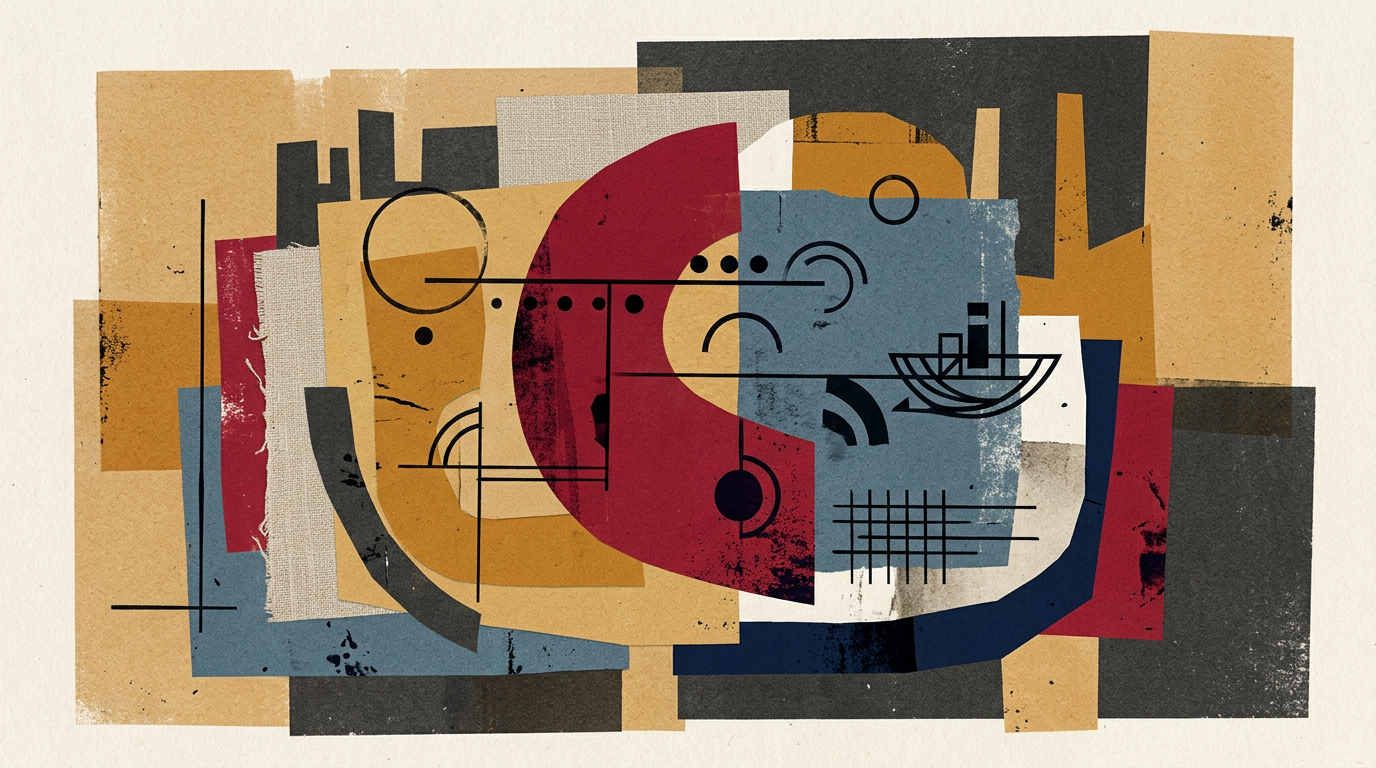
Cologne · Germany
Celebrating Half a Century at Cologne's Museum Ludwig
A milestone anniversary marked by landmark exhibitions and a critical reexamination of its holdings
Five Decades of Curatorial Ambition
Since opening its doors in 1976 following a pivotal endowment from patrons Peter and Irene Ludwig, the Museum Ludwig has cemented its reputation as a cornerstone of European modernism. This autumn, the institution reflects upon half a century of transformative programming, strategic acquisitions, and institutional growth. What began as a bold civic gift has matured into one of the continent's most vital repositories for twentieth-century creative practice.
Rethinking the Canon
The permanent holdings span extraordinary breadth, boasting the most substantial collection of American Pop Art beyond North America alongside the globe's third-largest assemblage of Picasso works. Visitors encounter seminal pieces spanning Cubo-Futurism, Suprematism, Constructivism, German Expressionism, and extensive photographic archives. Rather than treating these assets as static relics, curators are actively interrogating historical narratives through postcolonial, feminist, and queer frameworks. This deliberate shift prioritises underrepresented voices, expanding representation across African, Asian, and South American practices while elevating women creators within the institutional record.
Landmark Presentations
The anniversary programme features two significant surveys that embody this evolving methodology. First, a comprehensive look at Yayoi Kusama, organised jointly with the Fondation Beyeler and Amsterdam's Stedelijk Museum. By positioning the Japanese pioneer within Pop Art through a distinctly non-Western lens, the show resonated deeply with the public. It concluded on 2 August after welcoming 480,335 guests, securing its place as the gallery's highest-attended presentation ever.
Complementing this success is Along the Color Line – Traces of a Transatlantic Modernism, which deliberately illuminates historical omissions. The exhibition foregrounds Black cultural currents and African American practitioners who relocated or resided in Europe during the early twentieth century. Crucially, it also investigates the institutional and societal mechanisms that historically marginalised such contributions, prompting a necessary conversation about archival equity.
Public Celebration and Institutional Trajectory
On Sunday 13 September, the museum opens its gates to the wider community for a complimentary anniversary festival running from 10:00 until 20:00. Families, students, and art enthusiasts can expect interactive workshops, live performances, and specialist walkthroughs designed to foster inclusive engagement.
Director Yilmaz Dziewior emphasises that longevity does not equate to stagnation. He notes that recent initiatives like Thursday evening programmes have successfully broadened attendance demographics, while operational strategies increasingly incorporate ecological responsibility. Looking forward, he stresses that ethical stewardship requires resisting fleeting trends in favour of sustained, principle-driven curation. The goal remains cultivating a dynamic public forum where diverse perspectives can intersect freely.
The commemorative year operates under the patronage of Hendrik Wüst, Minister-President of North Rhine-Westphalia. Generous backing from RheinEnergie, the REWE Group, and the Peter and Irene Ludwig Foundation ensures these ambitious projects reach completion. As the institution steps into its next chapter, it carries forward a legacy defined by both artistic excellence and progressive institutional reflection.
Related reading
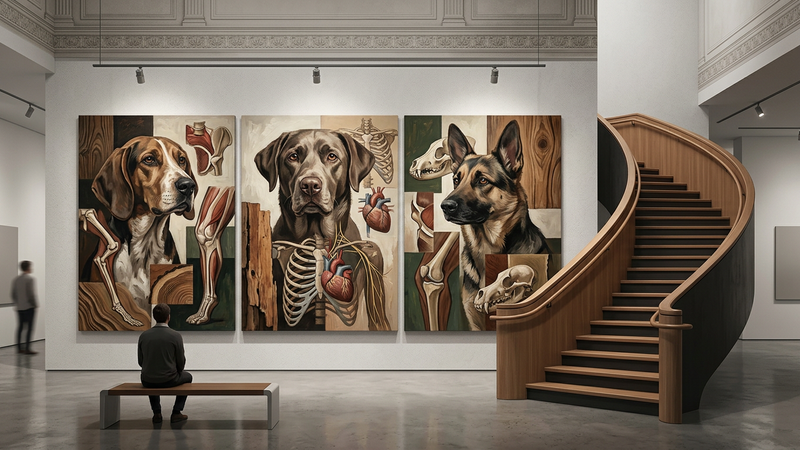
Jana Euler's Triptych Redefines Spatial Viewing at Museum Ludwig
A new installation explores perception, architecture, and the mechanics of looking
untame flow stay release: Water, Accessibility, and the Politics of Shared Space
Speculative Pen: Fabulating Institutional Futures
Three German art institutions convene an experimental symposium to reimagine the future of cultural organisations