
Wingen-sur-Moder · France
Lalique Museum Heist: €4.5m Jewellery Stolen in 11 Minutes Amid Rising Museum Security Concerns
A brazen theft at the French museum highlights vulnerabilities in cultural institutions following a string of high-profile art crimes.
A Swift and Calculated Theft
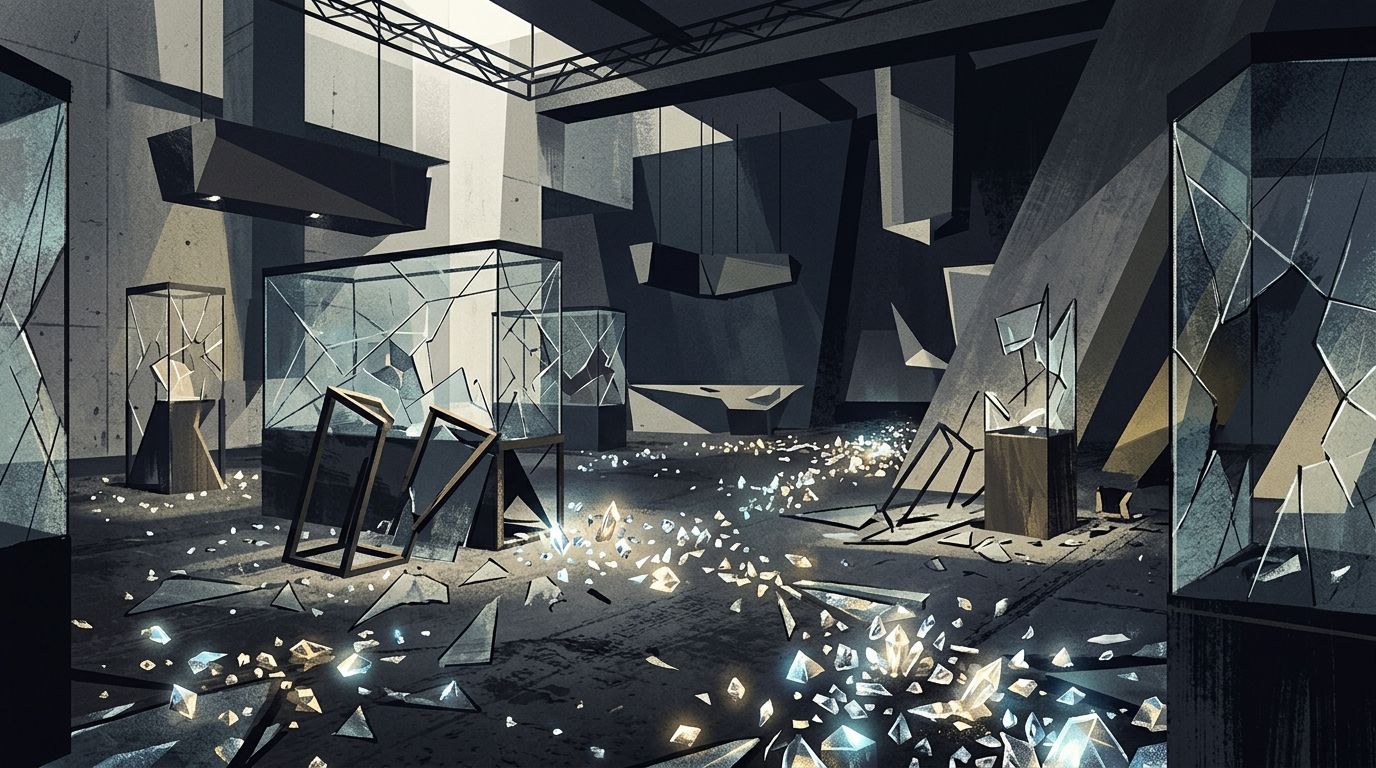
The Lalique Museum in Wingen-sur-Moder, Alsace, fell victim to a meticulously planned heist on Sunday, 5 July, when three masked intruders entered the premises at approximately 5:30am. Using hammers and sledgehammers, they smashed six display cases in the exhibition hall, making off with 27 crystal pieces valued at €4.5 million. CCTV footage revealed the entire operation lasted just eleven minutes, underscoring the audacity of the attack.
Security Failures and Official Response
The break-in was discovered an hour later by a cleaner, according to Christian Dorschner, the museum's vice-chairman and mayor of Wingen-sur-Moder. He expressed outrage, stating that alarms were triggered but the contracted security firm failed to respond promptly or notify local gendarmes. François Antona, the local prosecutor, confirmed the opening of a criminal investigation in collaboration with the French Office Against Art Trafficking (OCBC), though no further details have been released. The museum announced it would remain closed for several days while authorities assess the damage.
Historical and Cultural Context
Founded by René Lalique (1860–1940), a pioneer of Art Nouveau, the museum houses works that blend curved forms inspired by nature with materials like horn, coloured glass, and semi-precious stones. Opened in 2011 near Lalique's original workshop, the site is now owned by Lalique Group SA, a Swiss luxury goods company. The theft has cast a shadow over the museum's reputation as a guardian of artistic heritage.
A Pattern of Vulnerability
This incident follows the high-profile theft of the Crown Jewels from the Louvre in November 2024, part of a broader surge in violent crimes targeting cultural institutions across France. A recent parliamentary report criticised inadequate security measures in over 2,000 museums, urging the culture ministry to implement emergency reforms. The Lalique case exemplifies the urgent need for systemic improvements to protect France's artistic legacy.
Broader Implications
While the stolen pieces are likely to resurface in the art market, their loss represents more than financial damage—it disrupts public access to cultural treasures. The museum's closure and the ongoing investigation raise questions about private security contracts and their accountability in safeguarding heritage sites. As France confronts these challenges, the Lalique heist serves as a stark reminder of the fragility of even the most esteemed institutions.
Related reading
Curating Tomorrow's Archive: Hamburger Kunsthalle Seeks Contemporary Collections Lead
A new permanent appointment will steer the museum's post-1960 holdings across paper, photography, and media formats.
The Hamburger Kunsthalle is inviting applications for a senior curatorial position focused on contemporary acquisitions, exhibition strategy, and digital collection management. Applications close October 2026 for a January 2027 start.
Whilst We Are Savages: Colonial Constructs and Atlantic Dialogues
A critical survey at TEA Tenerife exploring how colonial frameworks shaped identity, territory, and knowledge across Europe, Africa, and Latin America.
William Morris Gallery Reopens With Intimate Restoration and New Focus
A comprehensive overhaul at the Walthamstow venue explores the designer's contradictions through newly displayed archives and a domestic curatorial approach.