
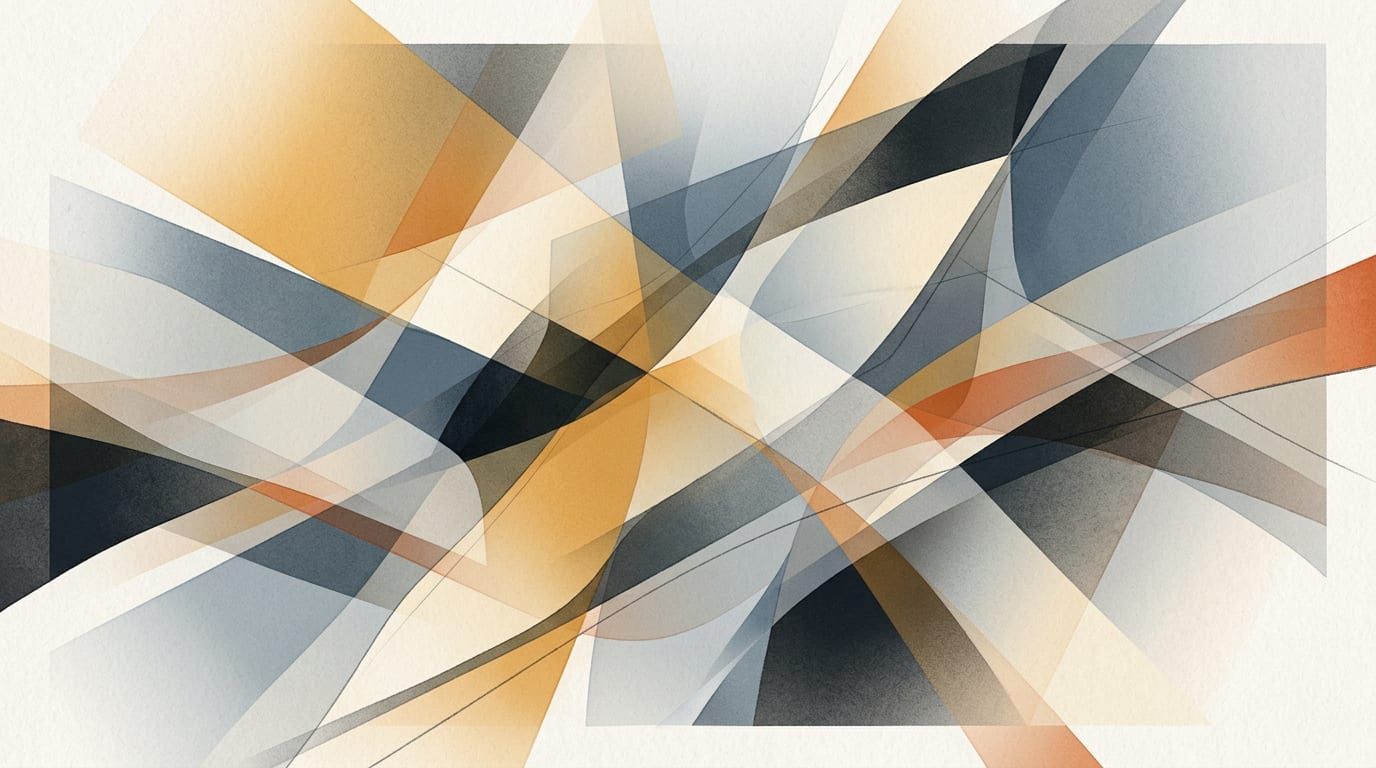
Seoul · South Korea
The Art of Learning: Becoming Each Other's School
How autonomous collectives are redefining peer education outside traditional institutions
Rethinking Pedagogical Structures Outside Institutions
When traditional academic frameworks struggle to accommodate contemporary creative practices, independent networks often fill the void. This autumn, ARKO Art Center hosts a thematic presentation that examines exactly how these autonomous formations operate. Running from early August through late September 2026, the upcoming showcase brings together eight distinct collectives, studios, and informal educational initiatives. Together, they comprise forty-two practitioners who have chosen to construct their own curricula rather than rely on established university systems. The participating entities include Material Library, Mockcamp, Birdcall, Kuroda, Curating School Seoul, Happy Class, PIE, and YPC × Rat Journal. Rather than presenting polished outcomes, the gathering functions as an active laboratory where methodologies are tested and refined in real time.
The Mechanics of Mutual Instruction
Central to this initiative is a deliberate shift away from hierarchical teaching models. Instead, participants cultivate environments built upon reciprocal exchange and collaborative inquiry. Workshops, seminars, and informal discussions serve as the primary vehicles for knowledge transfer. These sessions deliberately blur the boundaries between mentor and student, recognising that expertise frequently circulates horizontally across different disciplines and career stages. By prioritising dialogue over didactic instruction, the project highlights how sustained engagement and collective problem-solving can generate fresh artistic directions. Laughter, patience, and consistent encouragement emerge as vital components of this ecosystem, proving that emotional resilience remains just as crucial as technical skill when navigating uncertain cultural landscapes. Such peer-to-peer arrangements demonstrate that creative development thrives when individuals feel safe to experiment without the pressure of immediate commercial validation.
Mapping Alternative Educational Ecosystems
Operating independently of state funding or conventional accreditation structures requires considerable strategic foresight. Many of the featured groups treat self-governance not merely as a logistical necessity but as a philosophical stance against standardised training regimes. Their approach demonstrates how marginalised practices can develop robust internal architectures that sustain long-term production. The exhibition space itself adopts a provisional character, mirroring the fluid nature of the groups involved. Visitors encounter ongoing experiments, failed attempts, and iterative research processes rather than static installations. This transparency offers valuable insight into the hidden infrastructure that supports contemporary art-making. It also underscores how interpersonal connections frequently substitute for formal resources, allowing practitioners to navigate institutional gaps while maintaining creative autonomy. ARKO Art Center temporarily assumes the role of facilitator, providing physical infrastructure while allowing the participating networks to dictate the rhythm and content of daily activities.
Beyond the Gallery Walls
The broader implications extend well beyond the immediate venue. By framing colleagues as educators and shared interests as curriculum, the project challenges conventional definitions of artistic education. It suggests that sustainable creative careers depend less on solitary genius and more on communal support systems capable of weathering economic volatility. As global institutions increasingly prioritise measurable outputs over experimental risk-taking, such grassroots initiatives offer a compelling blueprint for future practice. The exhibition ultimately functions as both documentation and catalyst, inviting audiences to consider how they might replicate these relational models within their own professional contexts.
Related reading
Koo Jeong A: OUSSSMOS Redefines Institutional Space Through Ephemeral Phenomena
Ephemeral forces and spatial fluidity converge in a landmark survey at Seoul's premier contemporary art institution
The Leeum Museum of Art hosts the artist's largest Korean solo show, dispersing installations across unconventional zones to challenge linear viewing habits.
Five Essential Exhibitions During Seoul Art Week
From Martin Parr's photographic archives to Do Ho Suh's textile architectures, a guide to the capital's defining cultural moments.
A curated overview of the key gallery presentations, museum surveys, and cinematic programmes defining this year's Seoul Art Week.
Christine Sun Kim: Have Many Dumb Fights Against Rock
Reframing digital discourse through immersive OLED installations at MMCA Seoul
The Korean American artist explores communication barriers and digital polarisation in a new site-specific commission for the national museum.