
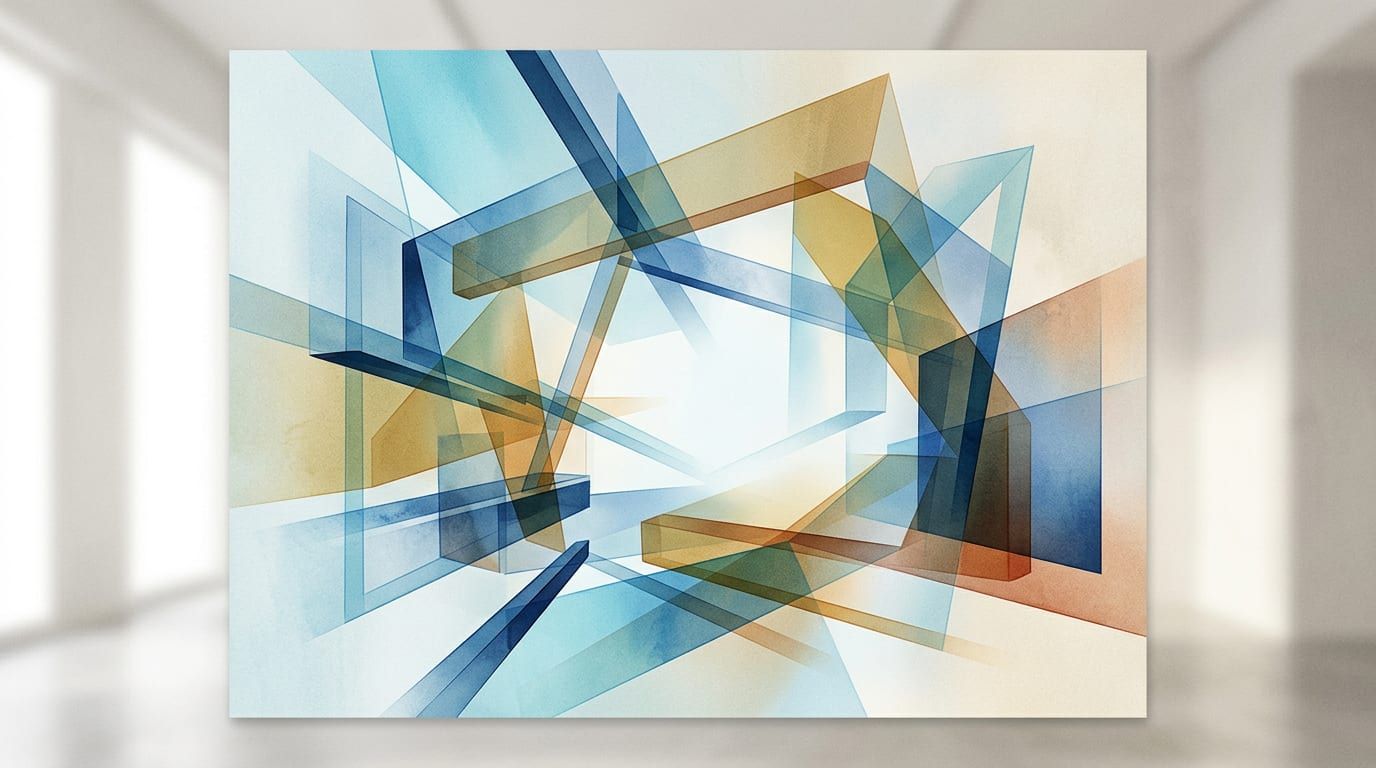
Gwacheon · South Korea
MMCA Gwacheon's 40th Anniversary Programme Explores Light and Memory
A multifaceted celebration spanning installations, archives, and spatial redesigns across the campus grounds
Four Decades of Architectural and Natural Dialogue
The National Museum of Modern and Contemporary Art in Gwacheon has spent forty years cultivating a distinct relationship between built environments, ecological settings, and creative output. To commemorate this milestone, the institution has assembled a comprehensive programme titled Imaginations in Light, running from 10 July through 29 November 2026. Rather than relying on a single retrospective, the anniversary framework operates across multiple disciplines, blending curated displays, pedagogical workshops, spatial redesigns, and community-driven archives. This multifaceted approach allows the venue to examine its own developmental trajectory while positioning itself within current discourses about site-specificity and public culture.
Curating Illumination Across Multiple Venues
Central to the anniversary strategy is an examination of photonic phenomena and perceptual shifts. Within the main galleries and circulation areas, the presentation Lightscape draws upon institutional holdings to trace how luminosity functions as both structural element and aesthetic device. Works by Philippe Parreno and Kim Ayoung sit alongside archival pieces, establishing a dialogue between ambient daylight and manufactured illumination. Adjacent to this, the second circular gallery hosts Afterimage, which pushes further into cognitive response and environmental awareness. Here, selected objects challenge conventional viewing habits by manipulating shadow, reflection, and temporal duration.
Outside the primary structures, the sculpture garden receives dedicated attention under the banner Lingering Grounds. Rather than treating the open-air zone as a mere repository for monumental forms, the curation situates individual pieces within existing topography, encouraging viewers to navigate terrain rather than follow prescribed routes. Complementing this physical engagement, the museum's auditorium will host a series of film screenings focusing on creators who have historically utilised exterior environments as their primary studio. Among the participating figures are Kim Haneul, Bang Hyobeen, Im Jungjoo, Ha Jihoon, Hwang Hyungshin, Iván Navarro, and James Turrell, whose practices demonstrate varying approaches to atmospheric intervention and material resilience.
Institutional Memory and Spatial Reconfiguration
Beyond traditional exhibition formats, the anniversary initiative incorporates substantial educational and infrastructural components. The participatory archive project 40 Scenes collects personal recollections from former staff, frequent guests, and local residents, constructing a grassroots chronicle that runs parallel to official records. Meanwhile, the Children's Museum will stage The Scent of Summer at MMCA, a sensory workshop designed to introduce younger audiences to institutional history through olfactory exploration and tactile activities.
On a logistical level, a cohesive graphic identity system has been developed to unify the campus. This typographic and chromatic overhaul extends from the main façade into adjacent pathways, ensuring that wayfinding and environmental graphics operate as continuous visual statements rather than isolated signage. By synchronising these interventions, the administration seeks to reinforce the premise that architectural flow and curatorial intent should remain mutually reinforcing.
Looking Forward Through Historical Reflection
Celebrating four decades of operation requires more than nostalgic retrospection; it demands a critical reassessment of how cultural infrastructure can adapt to evolving societal needs. MMCA Gwacheon has consistently positioned itself as a hybrid space where ecological awareness and artistic experimentation converge. The current anniversary framework reinforces this methodology by treating the building complex not as a static container, but as an active participant in the creation of meaning. As the programme unfolds over the coming months, it will likely generate renewed scholarly interest in regional museum practices and offer valuable case studies for institutions navigating similar transitional phases.
Related reading
Hockney and Wu Guanzhong in Dialogue at Christie's Hong Kong
A pioneering non-selling exhibition explores shared landscapes and cross-cultural influences
Christie's Hong Kong presents the first joint showing of David Hockney and Wu Guanzhong, exploring shared landscapes and cross-cultural visual traditions.
M+M: The Day of the Mantis at the 16th Gwangju Biennale
Luxembourg Pavilion's immersive insect-centric film trilogy explores ecological anxiety and non-human perspectives
A new cinematic installation by Marc Weis and Martin De Mattia refracts contemporary unease through the eyes of arthropods at South Korea's premier contemporary art festival.
Birke Gorm: the evening and the morning and the night at the Gwangju Biennale
Austria's national pavilion reimagines a museum loft as a living archive of repurposed sculpture and hidden histories.
The Austrian Pavilion transforms an upper-floor gallery into a tactile attic, exploring material memory and marginalised narratives through sculpture and sound.