
Singapore · Singapore
Maria Taniguchi: Afterimage at Singapore Art Museum
Tracing the artist's practice across painting, sculpture, and film
A Study in Persistence and Material Memory
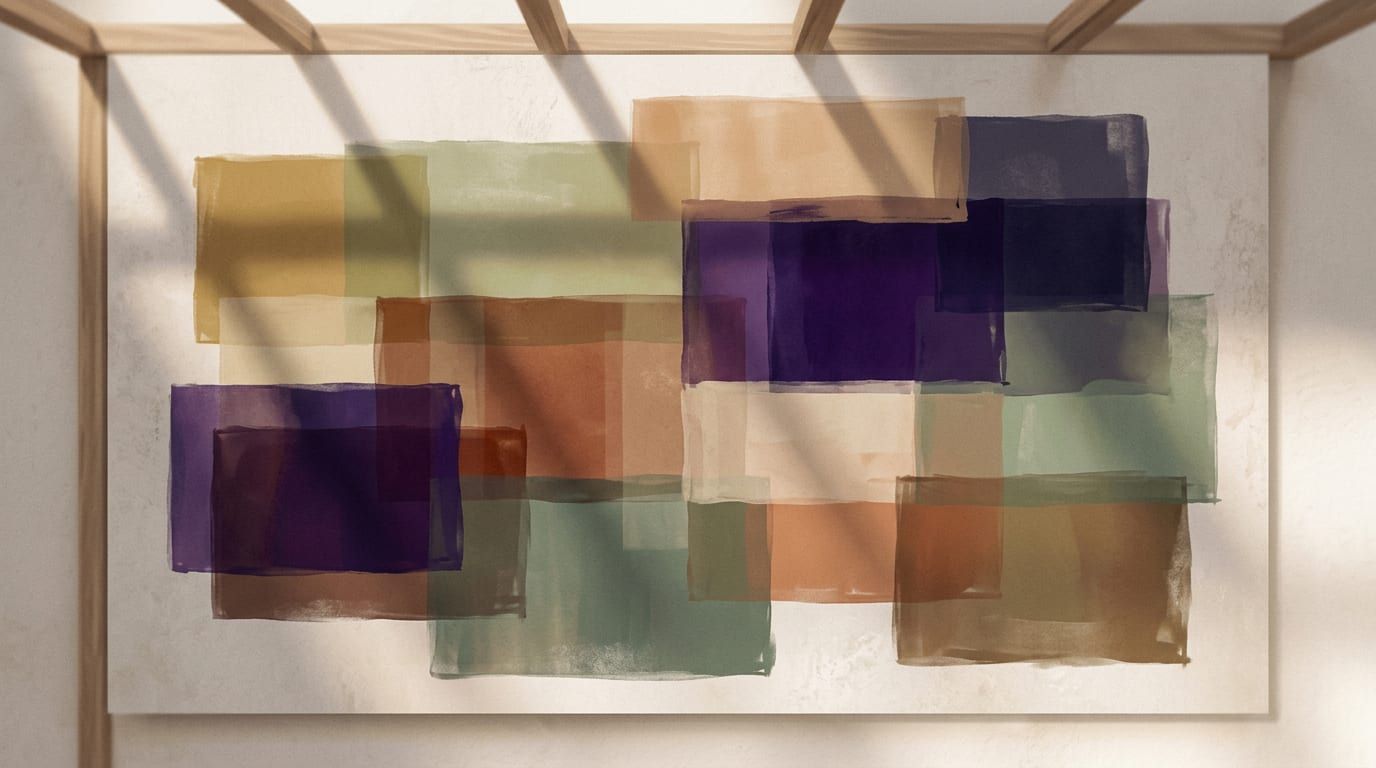
The Singapore Art Museum currently presents Maria Taniguchi: Afterimage, marking the artist's inaugural solo institutional survey within the city. Drawing its name from the optical phenomenon where a visual impression persists after the stimulus is removed, the show traces the persistent motifs that define her multidisciplinary output. Central to this investigation are the concepts of cyclical action, temporal passage, and physical exertion. This method of accumulation underscores how artistic practice functions as a record of lived experience, where each brushstroke operates as a measurable unit of time. The resulting surfaces resist easy categorisation, existing somewhere between painting, object, and architectural intervention.
The Architecture of Process
At the heart of the presentation lie the so-called brick paintings, a sequence initiated in 2008 that remains unfinished. Each monumental panel features a grid of hand-sketched rectangles, meticulously filled by hand. Rather than engaging directly with modernist abstraction, the repetitive geometry emerges organically from the physical act of creation itself. Gradual tonal variations map the hours and seasons invested in each surface. Lacking formal titles or numerical designations, these works function as interconnected fragments of an expanding whole. Trained initially in three-dimensional practice, Taniguchi positions the canvases at slight angles against the perimeter walls. This deliberate instability dissolves the distinction between two-dimensional imagery, physical objecthood, and architectural context.
Sculptural Biographies and Cinematic Framing
Moving into three dimensions, the wood carvings collectively known as Runaways reduce form to fundamental geometry. Crafted from duhat timber, the material holds intimate resonance, recalling the specific fruit the artist's mother desired during pregnancy. The deep purple hue of the fruit mirrors the saturated palettes found across the canvases, while the choice of organic timber deliberately sidesteps industrial minimalism in favour of domestic narrative and tactile craftsmanship.
Cinematic pieces spanning sixteen years further explore spatial engagement and material transformation. The 2010 piece Mies 421 examines architectural fragments from the Barcelona Pavilion, pairing monochrome photographs with a rapidly ticking metronome to generate mounting tension. Two subsequent works, Figure Study from 2012 and 2018, pivot towards manual toil. The earlier film records labourers excavating earth within a forested environment, contrasting irregular tool sounds against rhythmic audio cues, while the clay unearthed hints at potential creation. The later iteration captures the shaping of that earth into a finished vessel, utilising intense crimson and cobalt tones to emphasise metamorphosis and artistic production.
Completing the lineup is a recently commissioned film, A painter, if black were a place, which turns its lens toward the creator's mother, also a visual artist. Through fragmented digital footage of domestic interiors and botanical spaces, the piece intercuts hand-painted black rectangles. These voids operate as negative space, establishing a visual conversation between the daughter's abstract methodology and the mother's canvases. Across all screenings, the camera acts as a filter, highlighting how history, recollection, and creative effort remain partially obscured.
Exhibition Details
Visitors can expect guided walk-throughs and live performances alongside the artworks. Standard ticketing applies, though entry remains complimentary for local citizens and permanent residents. Programme details and additional information are available through the museum's official channels.
Related reading
Singapore Art Museum Announces Fourth Residency Cycle
Applications now open for the 2027–2028 cohort across three thematic strands
Aqua Paradiso: Revisiting Water as Ecological Actor
Three Korean artists explore aqueous systems and the Anthropocene in the touring exhibition
Hockney and Wu Guanzhong in Dialogue at Christie's Hong Kong
A pioneering non-selling exhibition explores shared landscapes and cross-cultural influences