
A Looting-Free Tomb Unearthed in Northern Peru
Peruvian archaeological teams have uncovered a remarkably preserved burial structure dating back six centuries at Chan Chan, the historic capital of the Chimú civilisation. The Ministry of Culture revealed the find on 8 September, noting that the site contains thirty-eight human remains alongside an array of artefacts. These include ornamental jewellery, metallic weaponry, glass beads, woven fabrics, and intricately carved timber containers fitted with decorative metal fittings. Crucially, this represents the sole elite mortuary platform within the ancient settlement that has escaped historical plundering.
For centuries, colonial excavators and illicit diggers have targeted the region's tombs due to their valuable metallic contents. Proximity to the modern city of Trujillo meant that disturbance began almost immediately after Spanish arrival in the mid-sixteenth century. Previous investigations identified roughly nine similar structures, yet every single one had been stripped bare. Until this season, researchers had only located secondary resting places that remained undisturbed.
Situated within the Utzh An architectural complex, the newly exposed tomb features a central vault measuring one point two metres across and five metres deep. Access is gained through a narrow staircase descending two and a half metres. This primary space held a solitary figure surrounded by shell fragments and copper items. Two adjoining side rooms, each eight metres long and one and a half metres wide, housed additional materials. One contained ceremonial arms and metallic insignia, while the other sheltered twenty bodies, bringing the total count to thirty-eight when combined with those placed upon the surface above.
Project lead Jorge Meneses emphasised that the structural integrity of the main vault offers unprecedented insight into Chimú ceremonial life. Specialists interpret the interred persons as members of the ruling class. Their adornments—quartz necklaces, shell earrings, and elaborate pendants—signal high social standing. Notably, one corpse was laid out straight rather than in the customary bent or seated posture favoured by the culture. This deviation might point to distinct rank or indicate ritual sacrifice.
Chemical analysis of crimson residues spotted on certain crania and ceramic vessels points toward cinnabar, a mercury sulphide compound widely distributed throughout the Andean region. Research head Henry Gayoso Rullier explained that this mineral served multiple ceremonial purposes, ranging from painting murals and coating warriors to covering funeral masks. Its presence here strongly correlates with aristocratic burial traditions.
Mortuary customs among the Chimú involved repeated handling of ancestral bones during communal gatherings. Meneses suggested the central chamber functions as a frozen moment in an extended lineage ceremony, reflecting an Andean worldview where mortality does not sever ties between generations. Anthropologist Ari Caramanica from Vanderbilt University noted that the site illuminates how power revolved around prominent figures who orchestrated interactions between communities of the living and the departed. The cache may also shed light on subsequent Inca occupation phases.
Fieldwork commenced in 2015 under the direction of Sinthya Cueva, who confirmed that digging will proceed until 2027. Current efforts focus on meticulous documentation and preliminary examination. Bioanthropologists will soon assess demographic data, nutritional history, and genetic links among the skeletons. Conservator Roxana Loayza stressed that stabilising fragile materials takes absolute priority over any future display plans. Each component requires careful environmental assessment before relocation or public presentation becomes viable.
As scientific review continues, the platform stands as a rare window into pre-Columbian statecraft and spiritual practice. Its preservation challenges previous assumptions about the vulnerability of adobe metropolises to centuries of interference, offering scholars a chance to re-evaluate how ancient Andean societies managed memory, hierarchy, and material culture.
Related reading
Ellie Rines Gallery Opens Tribeca Flagship
A strategic relocation consolidates operations and secures a new downtown venue
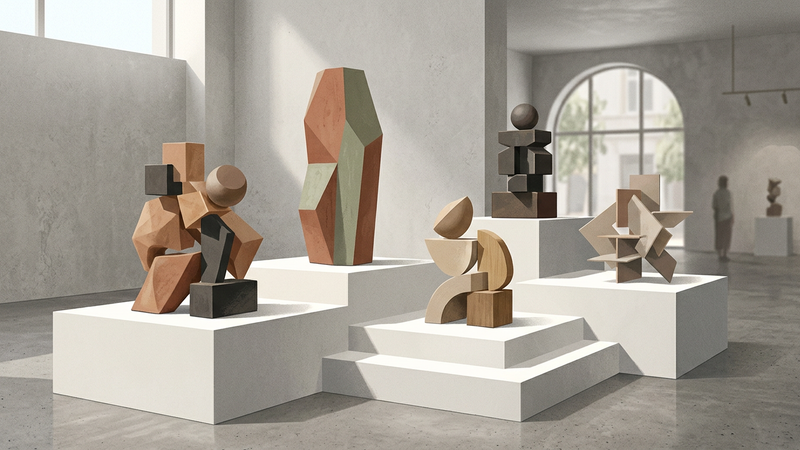
The dealer leaves Chinatown for Walker Street, streamlining operations and debuting a sculptural series.

Manhattan's Gallery Shifts: Soho, Chelsea, and Tribeca
How shifting neighbourhood dynamics are reshaping New York's exhibition landscape
A look at recent gallery relocations and openings across Soho, Chelsea, and Tribeca.

Flesh Witness: Militarism, Memory, and the Pacific Archive
REDCAT's latest group exhibition interrogates imperial control across Asia-Pacific through archival intervention and Indigenous knowledge
A curated survey spanning five decades of artistic practice, Flesh Witness maps how military infrastructure has physically and culturally marked landscapes, bodies, and historical records throughout the Pacific.