
Mexico City · Mexico
Álvaro Urbano: Helen
Site-responsive sculptures and archival fragments reimagine a mid-century Mexican landmark
Reimagining Architectural Memory at Museo Jumex
Álvaro Urbano's latest solo presentation, Helen, opens at the Fundación Jumex Arte Contemporáneo on 16 October 2026 and runs until 7 February 2027. Rather than treating a celebrated building as a static monument, the Spanish-born, Berlin-based creator constructs a layered environment where domestic structures and natural surroundings blur together. The project centres on Casa Cueva, a pivotal example of mid-century Mexican modernism designed by Juan O'Gorman, while weaving in the legacies of his wife, Helen Fowler O'Gorman, and sculptor Helen Escobedo.
A Living Archive of Form and Flora
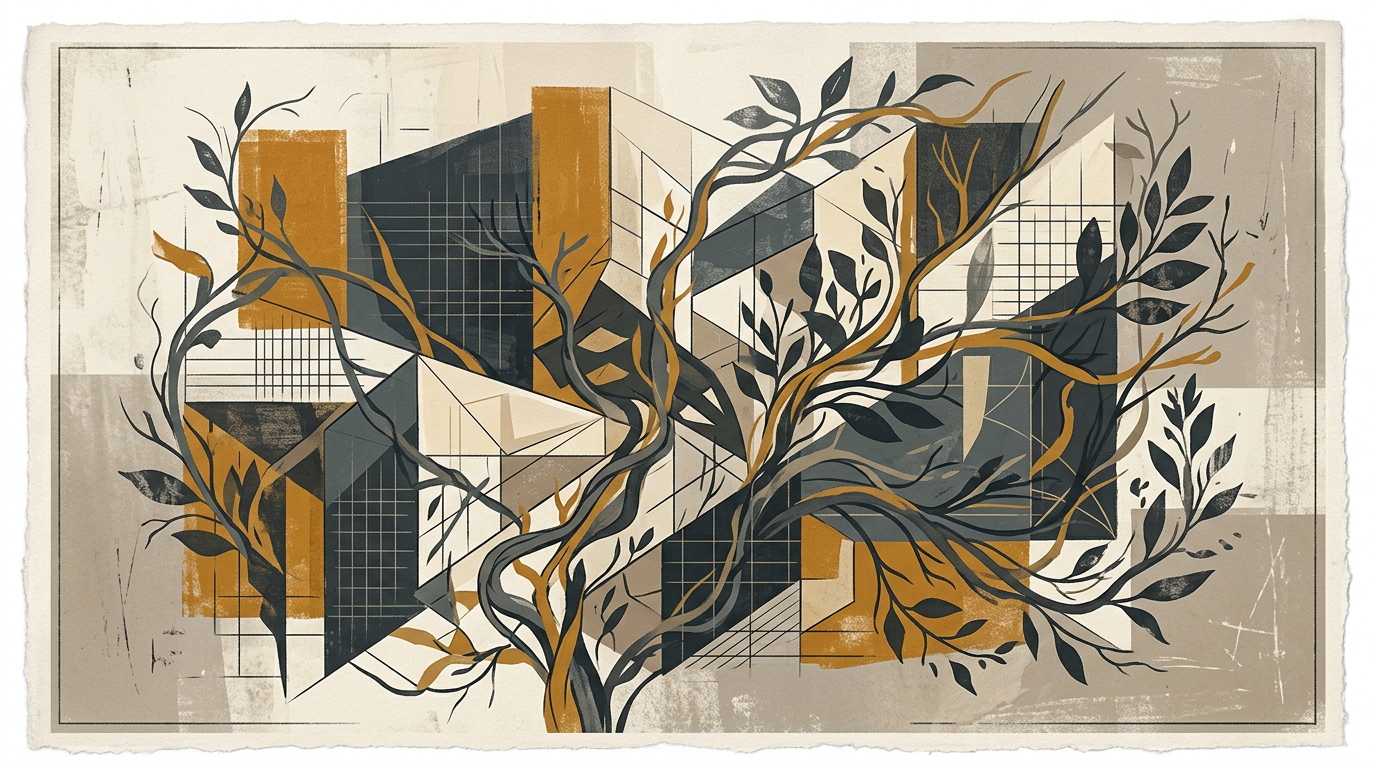
Within this carefully calibrated setting, plant life operates as more than mere decoration. Vegetal motifs emerge across various media, guiding visitors through overlapping timelines that trace how the house has evolved alongside its inhabitants. Instead of delivering a straightforward historical survey, the show functions as a series of resonant fragments. Botanical plates originally published by Fowler O'Gorman, echoes of O'Gorman's stone-relief murals, and subtle nods to Escobedo's experimental work are reconfigured into sculptural installations. These elements accumulate like geological strata, suggesting how personal recollection and architectural decay constantly reshape our understanding of place.
Curatorial Framework and Supplementary Materials
Rosela del Bosque and Carolina Estrada García have overseen the presentation, shaping a spatial narrative that prioritises atmosphere over chronology. Accompanying the gallery experience is a dedicated publication featuring scholarly contributions from Gina Cebey and Adriana Sandoval. The volume also compiles comprehensive records of the installation, rare historical imagery drawn from the Manuel Toussaint Photographic Archive at UNAM's Institute of Aesthetic Research, and selected passages from the aforementioned botanical reference text. Throughout the run, the museum will host a series of workshops and lectures designed to extend the dialogue beyond the walls of the exhibition hall. This showing sits within the institution's broader autumn programme, which concurrently features projects by Richard Prince and Raúl Silva.
Methodologies of Reconstruction
Trained initially in architectural design, Urbano consistently approaches built environments as vessels carrying dormant narratives. By deploying cinematic techniques such as controlled illumination, ambient audio, and textile drapery, he generates sequences that unfold progressively rather than presenting a single static view. His methodology involves excavating the emotional and social undercurrents embedded in twentieth-century construction, reframing functional spaces as sites of psychological resonance. In doing so, he transforms familiar structural gestures into intimate explorations of collective memory, inviting audiences to navigate the liminal boundaries between reality and reverie.
Related reading
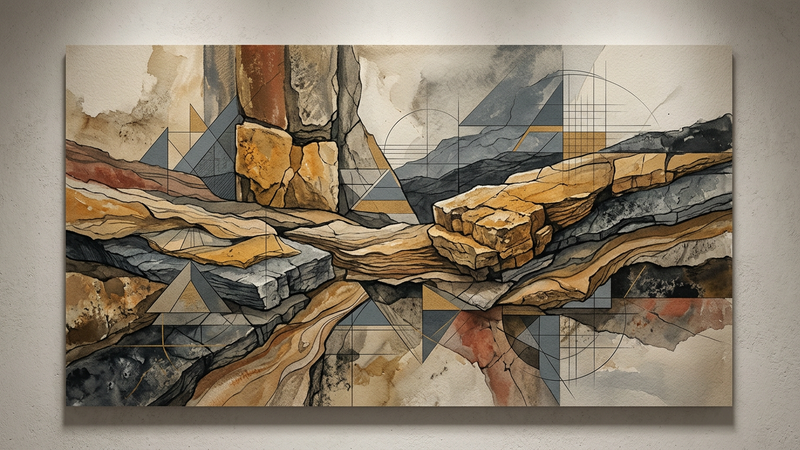
Diego Rivera's Monumental Stadium Relief Set for Conservation in Mexico City
A multi-institutional campaign targets the artist's unfinished stone facade at UNAM alongside works by Siqueiros and O'Gorman
Local conservators will lead a phased preservation effort for Diego Rivera's volcanic stone relief at Mexico City's Olympic stadium, supported by the World Monuments Fund and US diplomatic grants.
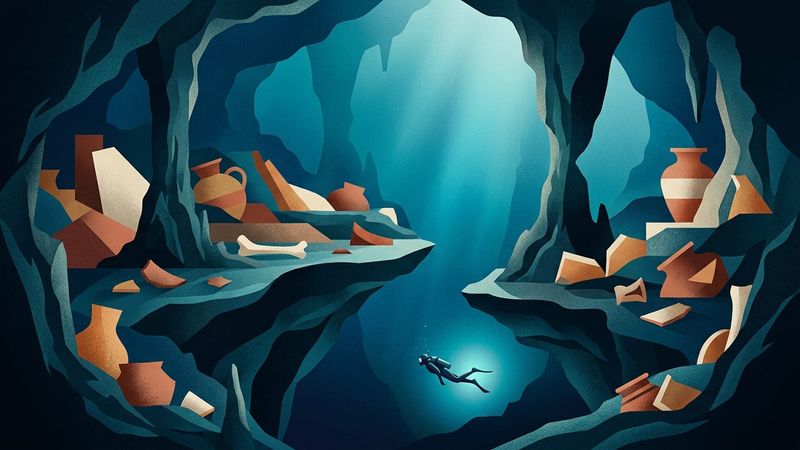
Ancient Maya Remains and Ceramics Unearthed in a Mexican Cenote
Preservation efforts and archaeological analysis advance following a significant discovery in Quintana Roo
A newly documented sinkhole in Playa del Carmen has yielded pre-Columbian pottery and skeletal fragments, prompting INAH to launch targeted research and conservation measures.
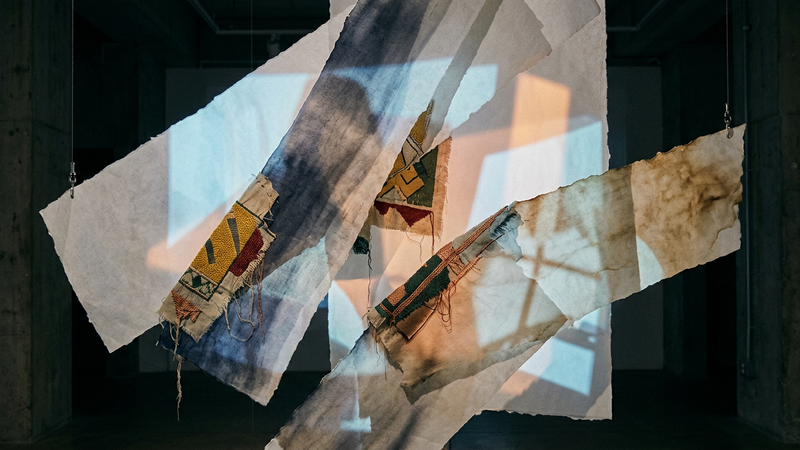
Ukrainian Museum Celebrates Half-Century With Community-Led Lobby Project
Molly Gochman transforms archive fragments into a projected collage marking five decades of cultural preservation
As the institution turns fifty, an immersive lobby installation invites locals to contribute personal artefacts, weaving private histories into a broader narrative of Ukrainian heritage and resilience.