
Saskatoon · Canada
Rivers, Lands and Artistic Reciprocity at Remai Modern
A multi-year initiative examines ecological flows, Indigenous knowledge, and institutional food systems
A Triennial Exploration of Ecological and Cultural Currents
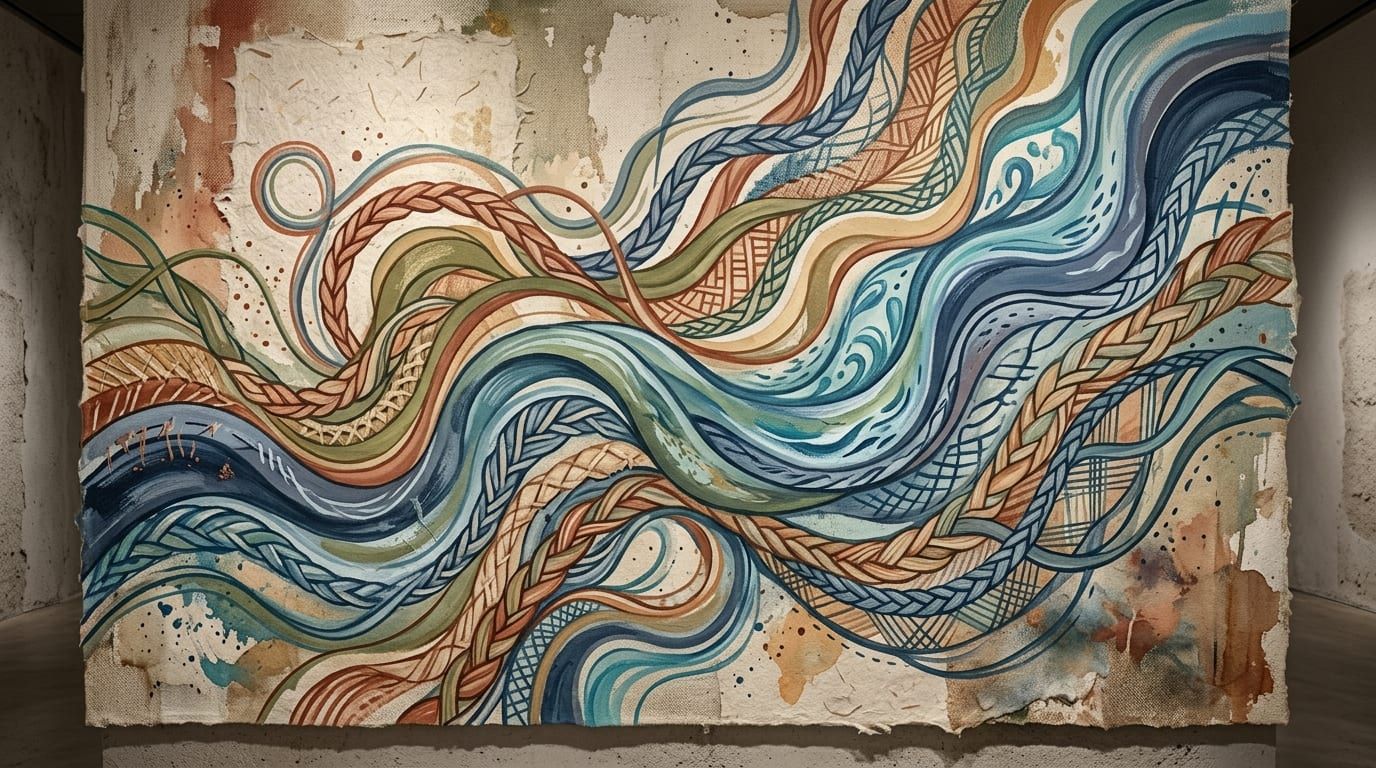
Remai Modern in Saskatoon continues its expansive initiative, Carried by rivers, held by lands, with a concentrated programme running through the final months of 2026. Building upon three years of collaborative exchanges and site-specific research, the presentation brings together a diverse cohort of practitioners whose works examine the forces that both nourish and disrupt human existence. In an era where museums increasingly confront their own environmental footprints, this multi-year framework offers a compelling alternative model. Rather than treating sustainability as a peripheral theme, the project embeds it within the very fabric of production, distribution, and public engagement.
Exhibition Highlights and Recurring Works
The July to December showcase presents work by Cooking Sections, Kultivator, Katarina Pirak Sikku, Katarina Spik Skum, Althea Thauberger, Marianne Nicolson, Dzawada̱ʼenux̱w First Nation collaborators, Laakkuluk Wiliamson, and Jamie Griffiths. Cooking Sections introduces their CLIMAVORE initiative via Bivalve Murals, highlighting sustainable agricultural frameworks. Meanwhile, dialogues between Kultivator and Nicolson's collective focus on the rematriation of traditional knowledge surrounding stinging nettle harvesting and oolichan fisheries. Pirak Sikku's recent outputs map Sámi displacement narratives linked to river damming. Several pieces originally developed in earlier project phases also reappear, notably works by Thauberger and the Williamson/Griffiths duo, which now interact with newer commissions. Additionally, Joi T. Arcand's LED commission pêh-pêyâk ômisi isi ê-atihtêki takwahiminâna continues its display on the third floor, serving as a persistent visual anchor for the broader initiative.
Site-Specific Installation and Sonic Landscapes
From 28 August until 4 December, the third-floor Gallery Lounge transforms for Tanya Lukin Linklater's Storm Song. Overlooking the South Saskatchewan River, this environment merges acoustic compositions, woven textiles, and seating areas to explore meteorological patterns and embodied memory. A daily narrative recording, developed through extensive dialogue with Cheryl L'Hirondelle, Joely BigEagle-Kequahtooway, and Yvonne Tiger, foregrounds Indigenous women's perspectives on prairie weather and ancestral memory. Between these scheduled broadcasts, ambient field recordings capture the shifting rhythms of the surrounding landscape. Physical elements such as all-weather canvas, wool blankets, and wooden benches reference recurring motifs within the artist's practice, inviting visitors to pause and engage with the materiality of the region.
Public Programmes and Collaborative Reflection
The initiative concludes its current phase with a two-day gathering on 11 and 12 September. The opening session features Cooking Sections—Daniel Fernández Pascual and Alon Schwabe—moderating a public forum centred on institutional food procurement and ecological restoration. Drawing parallels between curation and care, the discussion examines how cultural and educational organisations can actively support land access and community-driven agricultural models. The following day shifts focus to a broader assembly of collaborators, artists, and community participants. This session revisits the relational networks cultivated throughout the project, exploring how artistic methodologies can foster solidarity and drive systemic social and environmental transformation. Registration details and the full timetable will be published shortly via the project's dedicated website.
Curatorial Framework and Institutional Support
Orchestrated by Aileen Burns and Johan Lundh alongside Remai Modern's Tarah Hogue, and Maria Lind from Kiruna's Kin Museum, the programme emphasises reciprocity and long-term engagement. Backed by funding from the Canada Council for the Arts and the Embassy of Sweden, the initiative demonstrates how cross-border institutional partnerships can sustain complex, research-driven artistic ventures that challenge dominant economic paradigms.
Related reading
Van Lévé: Sovereign Caribbean Visions Take Shape at Harvard
A transnational survey charts twenty-five years of Creole and Maroon artistic practice across the French Caribbean and Amazonia.
Harvard's Alain Locke Gallery presents a landmark survey tracing contemporary production from Guadeloupe, Martinique, Guyane, and Haiti since two thousand and one.
Vancouver Establishes Cultural Land Trust Amid Artist Housing Crisis
A new municipal framework seeks to secure long-term studio space and prevent creative displacement.
Vancouver's council has approved a structural mechanism to retain artists and nonprofits as soaring property costs threaten the city's creative sector.
New York's Museum Building Boom Continues
How institutional expansions are reshaping the city's cultural geography
From avant-garde venues in the Lower East Side to historic collections scaling up across Manhattan, New York's architectural ambitions are fundamentally altering how audiences experience visual culture.