
Ottawa · Canada
More Than 100 Works Missing From Canada's Federal Indigenous Art Collection
Inventory discrepancies spark calls for reform at the national repository
A Federal Collection Under Scrutiny
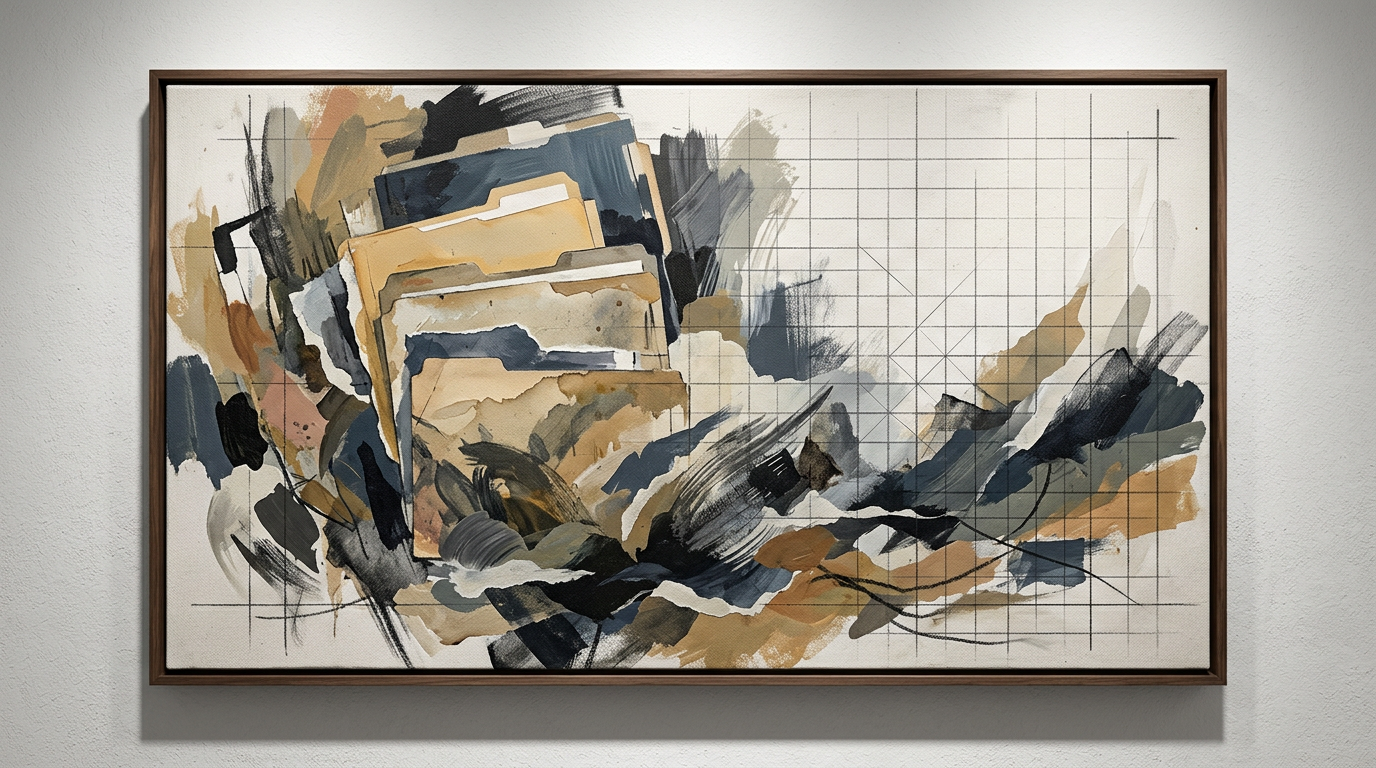
Canada's national repository for contemporary Indigenous artwork continues to face scrutiny after officials confirmed that 111 pieces remain untraceable. This figure follows an internal review published last October, which initially identified 132 items whose whereabouts could not be verified. The audit covered operations between April 2019 and August 2024, highlighting systemic gaps in record-keeping rather than evidence of theft.
Established in 1965, the Indigenous Art Centre was created to nurture, display, and safeguard modern creative practices across the country. Its holdings now encompass over five thousand pieces crafted by nearly a thousand creators from First Nations, Métis, and Inuit communities. Valued at approximately C$14.4 million, the archive features landmark contributions from figures such as Kent Monkman, Elisapee Ishulutaq, Christi Belcourt, and Norval Morrisseau. Acquisition has traditionally relied upon peer-reviewed selection panels.
According to Crown-Indigenous Relations and Northern Affairs Canada, the parent department overseeing the facility, the term 'unaccounted for' simply reflects administrative discrepancies. Maryéva Métellus, a departmental spokesperson, clarified that historical loan agreements, storage logs, and database migrations spanning decades often complicate verification efforts. She emphasised that no criminal probes are active and stressed that many entries may simply be clerical overlaps. Since the initial report, seventeen cases have been clarified: six were retrieved from storage, while eleven proved to be redundant database records. Four additional entries are currently under review as possible duplicates.
Despite these explanations, some cultural practitioners view the situation as symptomatic of broader institutional neglect. Lawrence Paul Yuxweluptun, whose 1985 canvas Leaving My Reservation to Go to Ottawa and Fight for a New Constitution resides within the national holdings, criticised the handling of public assets. He argued that the current framework lacks accountability and suggested transferring stewardship to the Canada Council for the Arts, where he believes professional curatorial standards would ensure proper preservation.
Conversely, representatives from established artist estates have adopted a more pragmatic stance. Cory Dingle, executive director of the Norval Morrisseau estate, framed the findings as a catalyst for structural improvement rather than scandal. He noted that ongoing collaborations with federal officials have remained cooperative, and stressed that adequate funding and updated archival infrastructure are essential for safeguarding Indigenous heritage. Morrisseau's 1983 work Androgyny, currently displayed at the Mackenzie Art Gallery in Regina, exemplifies the quality of pieces managed by the central repository.
As reconciliation efforts continue across Canadian cultural institutions, this episode underscores the urgent need for transparent collection management. Updating legacy databases and standardising provenance tracking will likely require sustained investment, but experts agree that rigorous documentation is fundamental to preserving artistic legacies for future generations.
Related reading
Sobey Art Award Exhibition 2026: A Survey of Contemporary Canadian Practice
Six finalists showcase diverse methodologies across sculpture, photography, and land-based interventions
The National Gallery of Canada presents a comprehensive survey of emerging creative voices, highlighting six shortlisted artists whose work spans multiple mediums and regional perspectives.
São Paulo's MAM Returns With Landmark Art Survey After Renovation
The 39th Panorama of Brazilian Art opens the renovated pavilion, exploring representation through contemporary practice.
Following a lengthy refurbishment, the iconic institution welcomes its historic recurring survey, featuring thirty-three emerging voices tackling questions of identity and form.
Ukrainian Museum Celebrates Half-Century With Community-Led Lobby Project
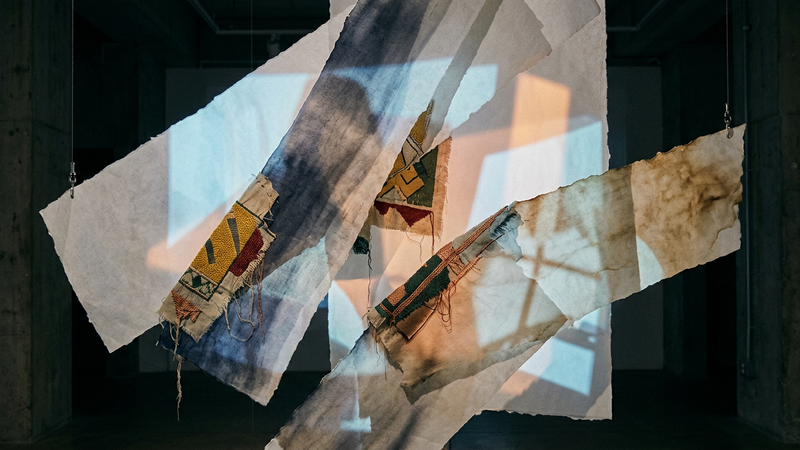
Molly Gochman transforms archive fragments into a projected collage marking five decades of cultural preservation
As the institution turns fifty, an immersive lobby installation invites locals to contribute personal artefacts, weaving private histories into a broader narrative of Ukrainian heritage and resilience.