
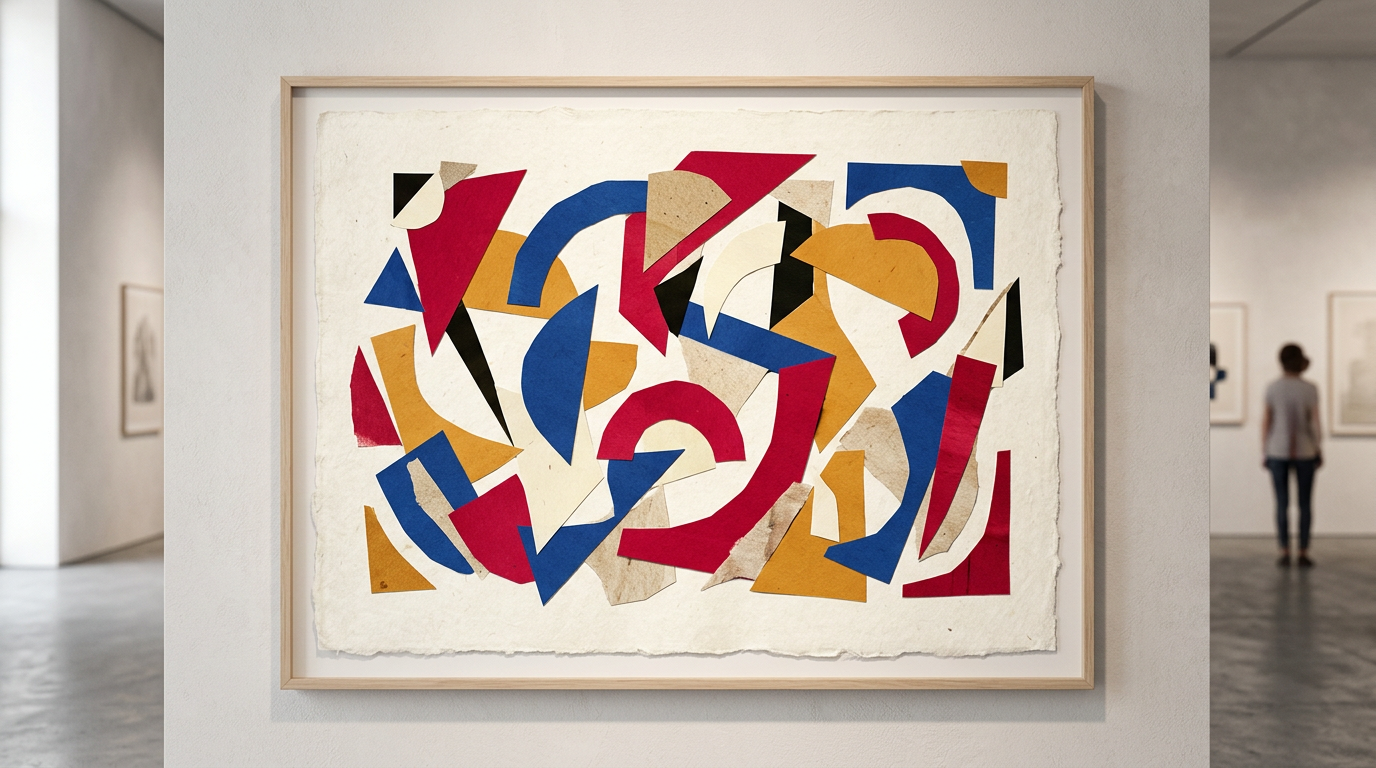
São Paulo · Brazil
Recovery of Stolen Matisse Folios Brings Partial Closure to Brazilian Art Theft
Partial success as police locate eight prints while five Portinari works stay missing
Recovery of Stolen Matisse Folios Brings Partial Closure to Brazilian Art Theft
State authorities in São Paulo have successfully retrieved eight prints by Henri Matisse following a brazen armed robbery that occurred late last year. The pieces, originally sourced from the artist's renowned 1947 publication Jazz, were handed back to the Mário de Andrade Library earlier this week. Despite this successful outcome, the investigation remains incomplete. Five canvases by Candido Portinari, also taken during the same incident, continue to elude law enforcement, with officials fearing they may have already entered private hands or been sold on the black market.
Authorities located the recovered folios on 13 August within a residential property situated in São Bernardo do Campo, a municipality adjacent to the state capital. During the operation, officers apprehended a suspect accused of acting as a storage point for the alleged ringleader. Investigators also seized a loaded weapon from the premises. Collectively, the eight printed sheets carry an estimated market value exceeding $190,000.
The initial breach occurred on 7 December 2025, coinciding with the final session of a touring presentation titled Do livro ao museu: MAM São Paulo e a Biblioteca Mário de Andrade. According to official reports, two individuals wielding weapons forced their way into the institution, subdued both a security officer and two gallery visitors, and packed thirteen artworks into a large fabric sack before exiting through the primary doors. Surveillance recordings captured their departure route, enabling detectives to secure an initial detention within twenty-four hours.
Subsequent months saw investigators expand their reach across multiple jurisdictions. Federal agents operating out of Rio de Janeiro detained two prominent figures in April during an unrelated probe, subsequently linking one directly to the library burglary. By May, coordinated operations spanned eleven locations across São Paulo, São Bernardo do Campo, Diadema, and Rio de Janeiro, targeting both private residences and commercial galleries suspected of facilitating illicit transactions. Law enforcement described the syndicate as highly organised, utilising meticulous premeditation and specialised roles to acquire, conceal, and eventually commercialise cultural artefacts.
The returned collection comprises Le clown, Le cirque, Monsieur Loyal, Cauchemar de l'éléphant blanc, Les codomas, La nageuse dans l'aquarium, L'avaleur de sabres, and Le cowboy. Each print originates from Jazz, widely regarded as a landmark achievement in twentieth-century publishing. Originally released in 1947, the volume formed part of the library's esteemed rare books archive and served as a central anchor for the aforementioned exhibition. Curated by Cauê Alves alongside Pedro Nery, and presented in partnership with the Museu de Arte Moderna de São Paulo, the display examined the trajectory of Brazilian modernism throughout the 1940s and 1950s.
Although the museum does not own the stolen folios, its leadership publicly acknowledged the significance of their return. Chief curator Cauê Alves emphasised that retrieving these particular sheets represents a vital victory for regional cultural preservation, noting that safeguarding public collections remains paramount. The Mário de Andrade Library, which celebrated its 100th anniversary in 2025, houses approximately 1.38 million volumes and ranks as the nation's second-largest municipal repository. Following the December incident, municipal authorities implemented enhanced protective measures across the facility.
While the retrieval of the Matisse prints marks a substantial breakthrough, the ongoing absence of Portinari's contributions underscores the persistent vulnerabilities surrounding high-value institutional archives. As investigations continue, cultural institutions nationwide are reassessing storage protocols and exhibition security frameworks, recognising that even well-established repositories require continuous adaptation against sophisticated criminal networks.
Related reading
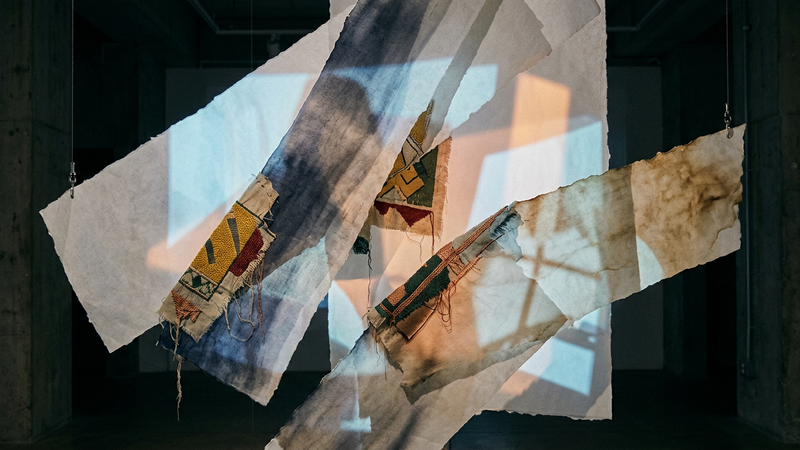
Ukrainian Museum Celebrates Half-Century With Community-Led Lobby Project
Molly Gochman transforms archive fragments into a projected collage marking five decades of cultural preservation
As the institution turns fifty, an immersive lobby installation invites locals to contribute personal artefacts, weaving private histories into a broader narrative of Ukrainian heritage and resilience.
Vancouver Art Gallery Confirms Dual Leadership Model with Permanent Co-Chief Executives
How a paired executive arrangement is reshaping governance at Canada's premier visual arts institution
Following financial restructuring and leadership changes, the Vancouver Art Gallery formalises its dual chief executive arrangement.

Rupture and Waterways Define the Fourth Toronto Biennial
Allison Glenn's curatorial vision transforms the city into a transnational network of installations and performances
The 2026 edition explores structural fracture and aquatic connectivity through a sprawling, multi-site programme.