
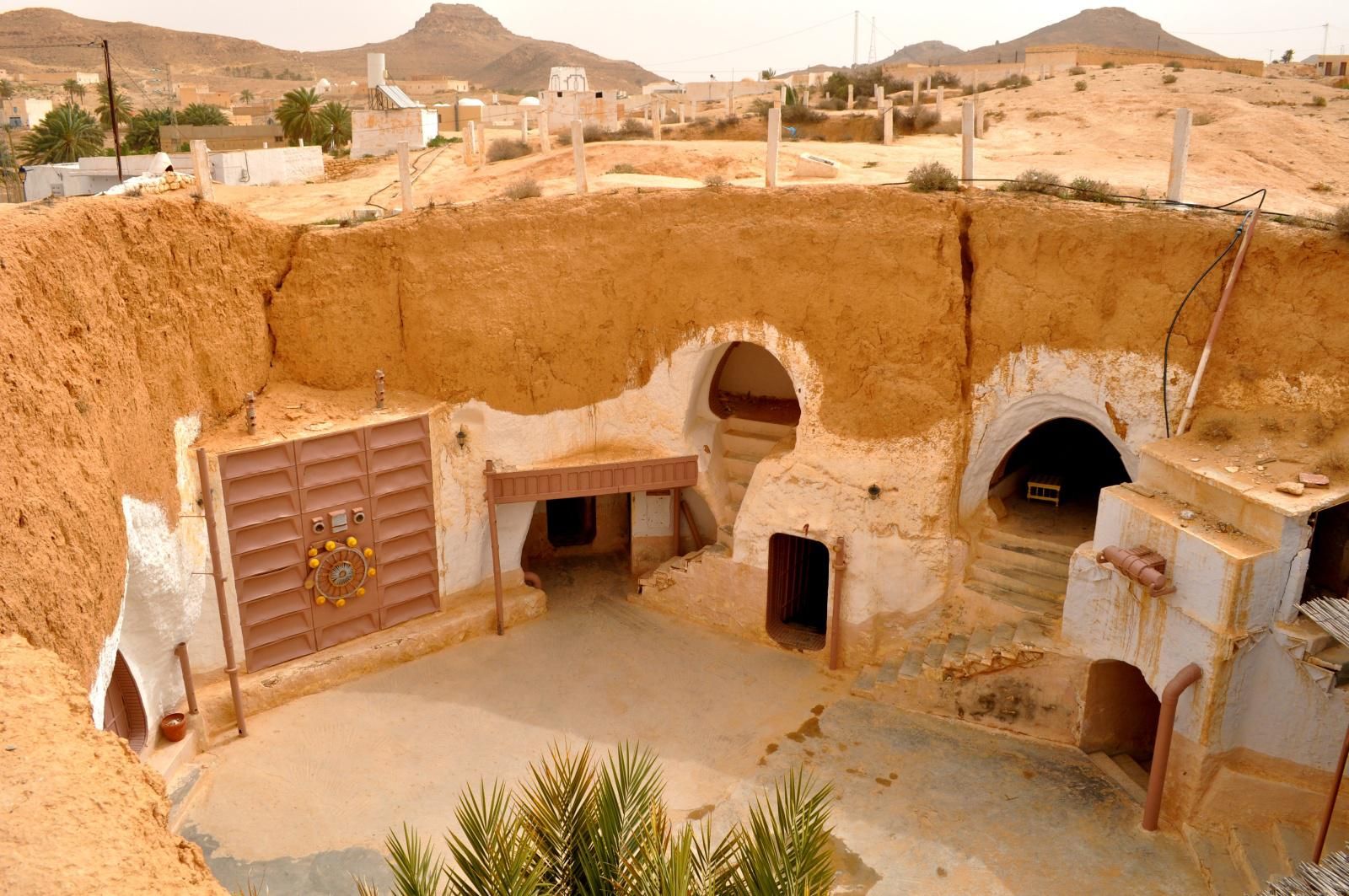
Hotel Sidi Driss, Matmata
A troglodyte pit-dwelling that became Luke Skywalker's childhood home — and is still a working hotel.
The village of Matmata is built downward: dwellings are made by digging a deep circular pit into the soft sandstone, then hollowing rooms out around the edges, leaving the central pit as an open courtyard. The caves stay cool by day and hold warmth by night, and for centuries doubled, when needed, as fortresses. Hotel Sidi Driss is one such pit — converted into a hotel, and the interior George Lucas used for the Lars homestead, the home where Luke Skywalker grows up. The blue-painted set decoration, some of it repainted for Attack of the Clones, is still on the walls, and you can sleep in what the films made into Luke's kitchen.
Exhibo editorial
The point Exhibo would draw out is that Lucas designed none of this. He found a form of Amazigh architecture refined over generations and pointed a camera at it. Matmata carries a harder history too — modernisation-era resettlement in the 1960s, and underground homes reportedly used to shelter resistance fighters under French rule — beneath the science-fiction surface most visitors arrive for.
How to find it
In Matmata village centre, signposted locally. From the surface you see almost nothing — the dwelling is below ground; enter down into the linked pit-courtyards. The Star Wars rooms are through the connected chambers off the main courtyard.
Similar places
All places
News by Exhibo
Editorial coverage on Exhibo
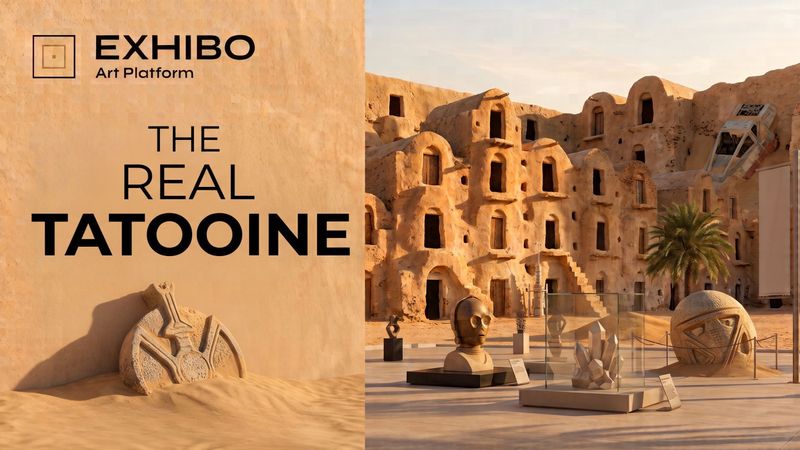
The Real Tatooine: Star Wars, Southern Tunisia and the Living Art Beneath the Myth
The Tunisian desert that became Tatooine — its Berber architecture, its vanishing film sets and the living street-art scene painting over the myth.
George Lucas filmed Star Wars across southern Tunisia, borrowing Berber pit-houses and 15th-century granaries as an alien world. But the real story is what's underneath: a living tradition of desert architecture, two millennia of coexistence on Djerba, and one of the most ambitious street-art projects on Earth.
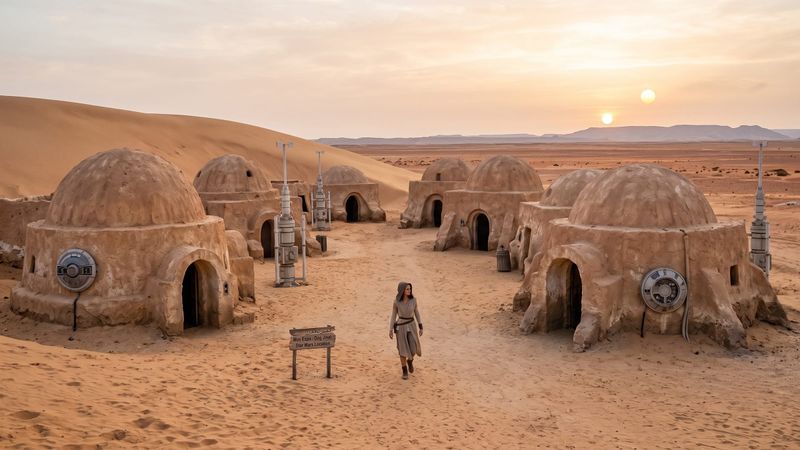
Star Wars Filming Locations in Tunisia: The Complete Tatooine Travel Guide
Every Star Wars filming location in Tunisia, from the sand-swept Mos Espa set to the cave hotel where Luke grew up — with maps, tips and a 3-to-7-day route.
Tunisia is the real Tatooine. George Lucas filmed here across five films, and most of the locations still stand. Here's every major Star Wars site — Mos Espa, Matmata, the Tataouine ksour, Djerba — plus how to link them into one desert trip.
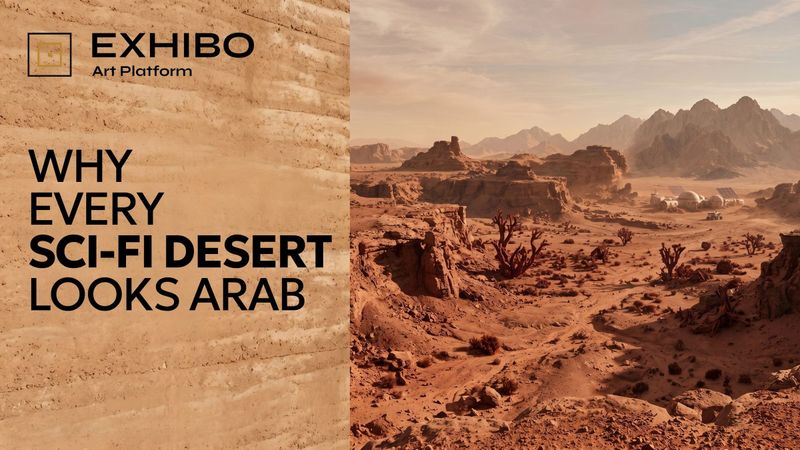
Why Every Sci-Fi Desert Looks Arab
From Arrakis to Tatooine, when a film wants a desert to feel ancient, prophetic and alien, it reaches for an Arab and Berber vocabulary — and reveals more about the West that built it than the region it borrows from.
The wrapped faces, the trilling women, the barely-displaced Arabic: cinema's alien deserts keep sounding Arab. But the vocabulary was assembled in the West — from Orientalist painting to Lawrence to Dune — and it says more about who is looking than about anyone being looked at.