Dakka and Maharraqa Temples
A Ptolemaic–Meroitic temple of Thoth with a soaring pylon, and a small Roman temple with Egypt's only spiral staircase in a temple.
The temple of Thoth at Dakka
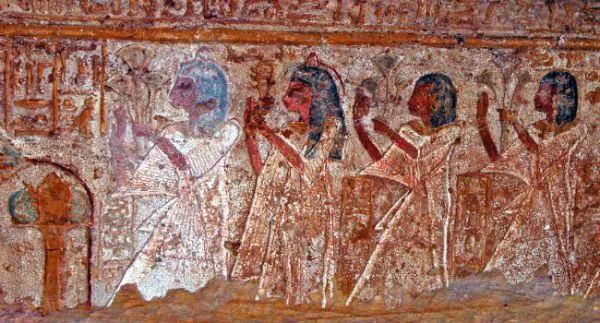
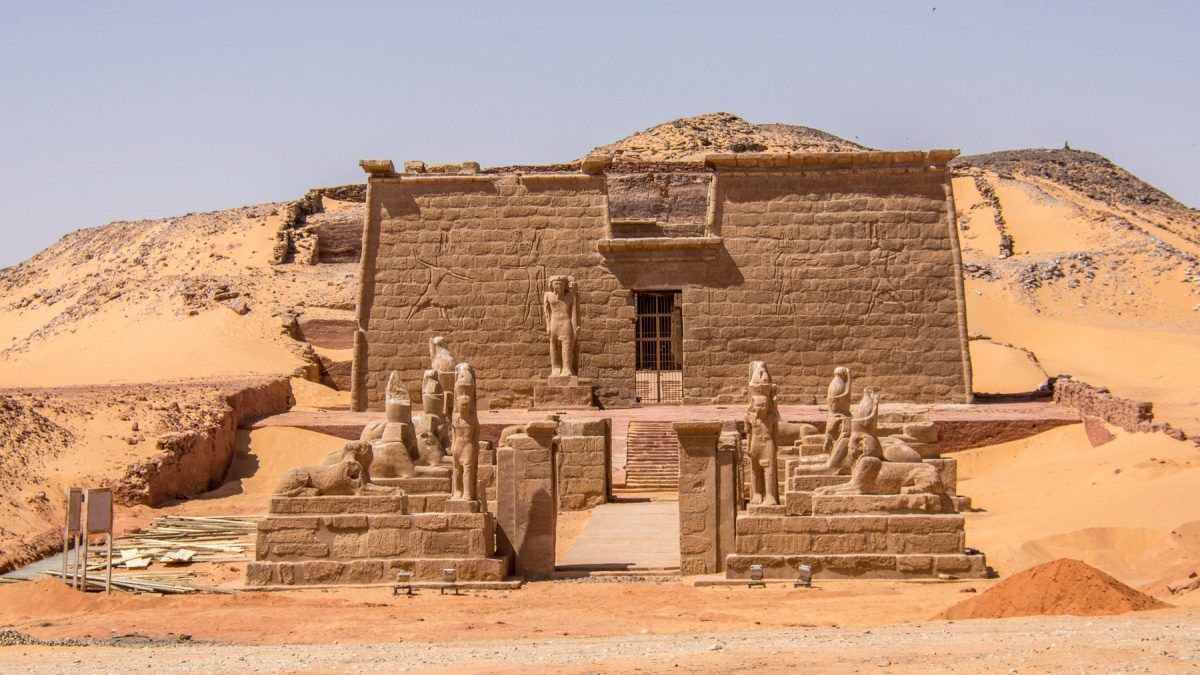
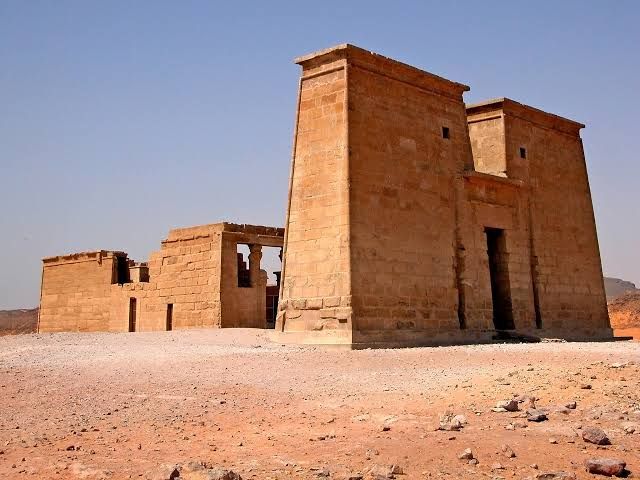
The Temple of Dakka, now at New Wadi es-Sebua on the shore of Lake Nasser, was dedicated to Thoth, god of wisdom, in his local form as Thoth of Pnubs. It was begun in the late third century BC by the Meroitic king Arkamani (Ergamenes II), a ruler of the kingdom of Kush, and by the Ptolemaic king Ptolemy IV, an unusual example of cooperation between the two kingdoms, and later enlarged by other Ptolemies and by the Roman emperors Augustus and Tiberius. Its most striking feature is its tall, well-preserved pylon, which visitors can sometimes climb for views over the lake.
The temple of Maharraqa
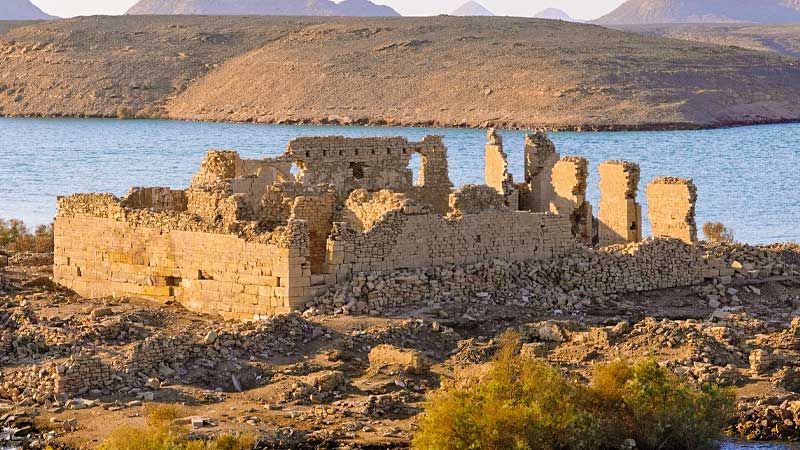
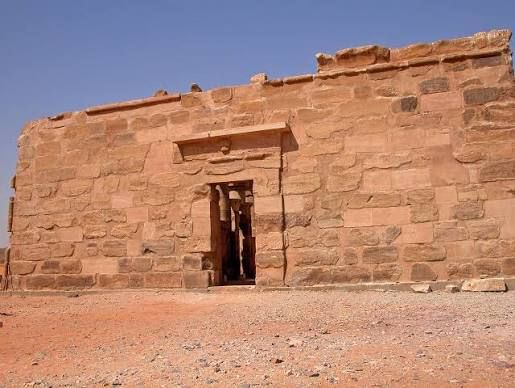
Nearby stands the small temple of Maharraqa, ancient Hierasykaminos, built in the Roman period and dedicated to Serapis and Isis. It was never completed. It is famous for its spiral stone staircase leading to the roof, unique among Egyptian temples. The site marked the southern boundary of Roman Egypt.
Rescued
Both temples were dismantled during the UNESCO campaign to save the monuments of Nubia and rebuilt in the 1960s on higher ground near the relocated temple of Wadi es-Sebua, forming a group of three temples reached by boat on Lake Nasser cruises.
Exhibo editorial
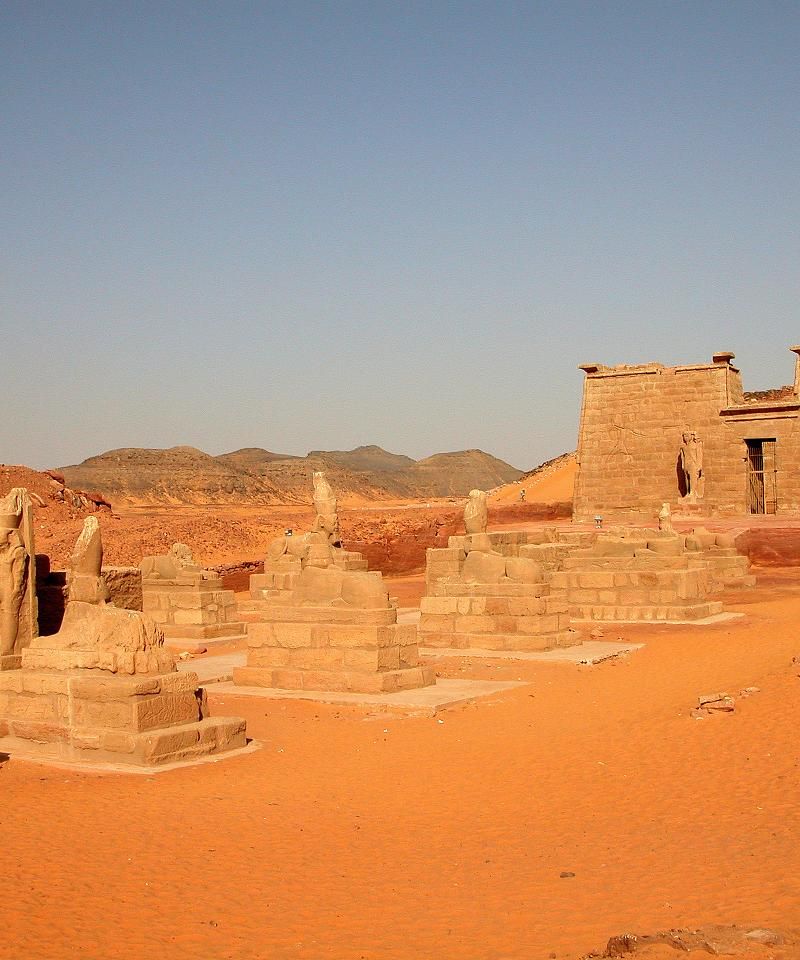
Next to the sphinxes of Wadi es-Sebua, these two temples complete one of the most rewarding stops on a Lake Nasser cruise. Dakka's pylon rises high above the sand like a gateway to nowhere, built by a Nubian king and an Egyptian Ptolemy together; little Maharraqa hides a stone spiral staircase found in no other temple in Egypt.
Walk between the three temples in the soft morning light, with the lake shining behind them — a small, quiet museum of Nubia's many rulers.
Gallery
How to find it
Dakka and Maharraqa stand a short walk from the Temple of Wadi es-Sebua at New Wadi es-Sebua, visited on Lake Nasser cruises. From the landing, follow the paths between the three temples.