Abila (Quwaylibah)
A quiet Decapolis city among olive groves north of Irbid, with Byzantine basilicas and painted tombs.
The site
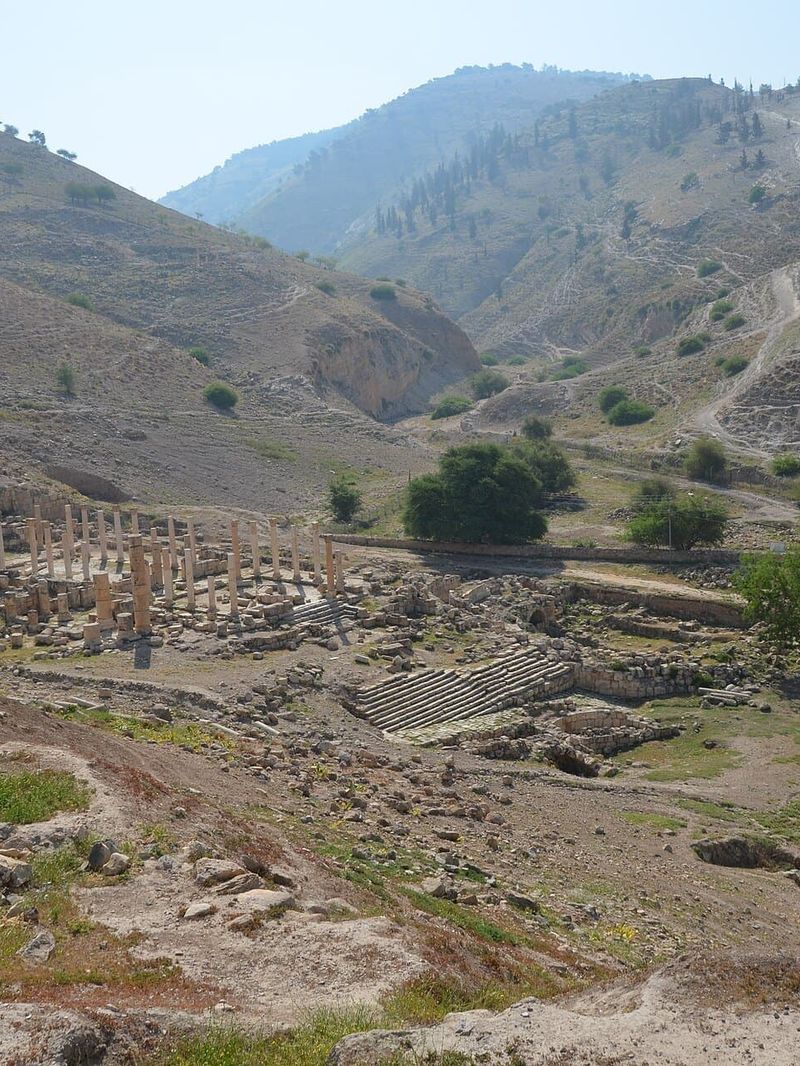
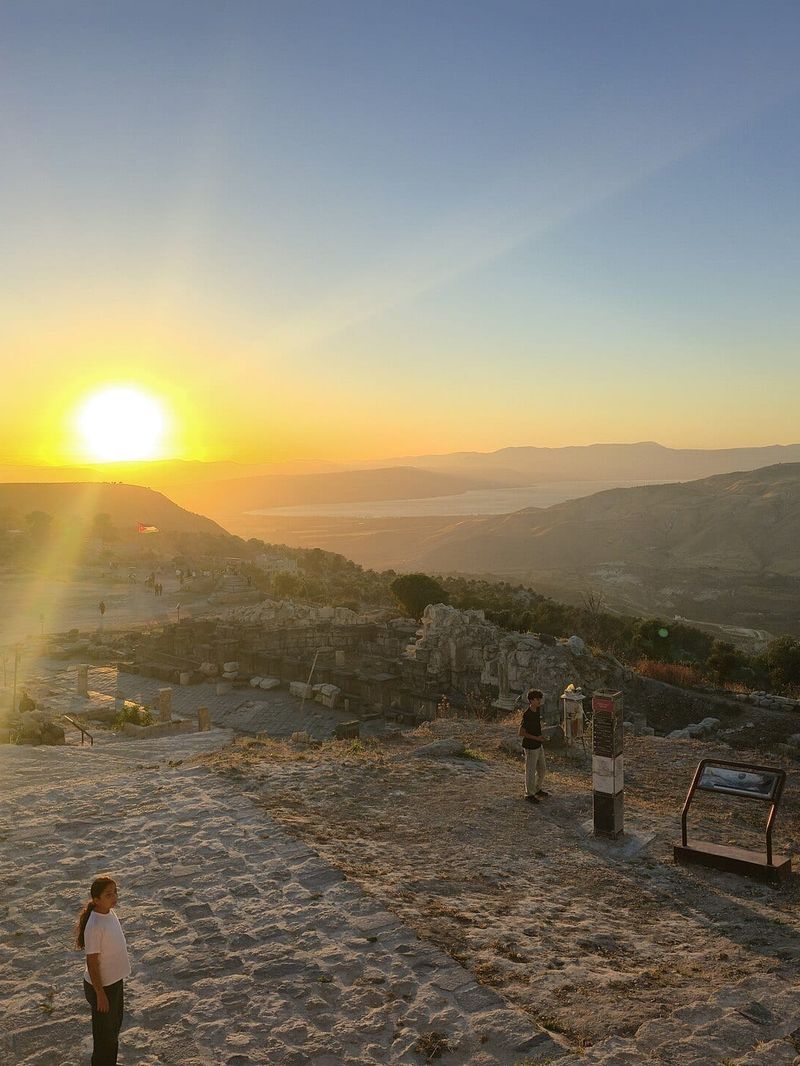
Abila, at the site of Quwaylibah, is the ruin of a city of the Decapolis about 15 km north of Irbid. It covers two hills, Tell Abil and Khirbet Umm el-Amad, with a valley and a spring between them. People lived here from the Bronze Age into the Islamic period.
What to see
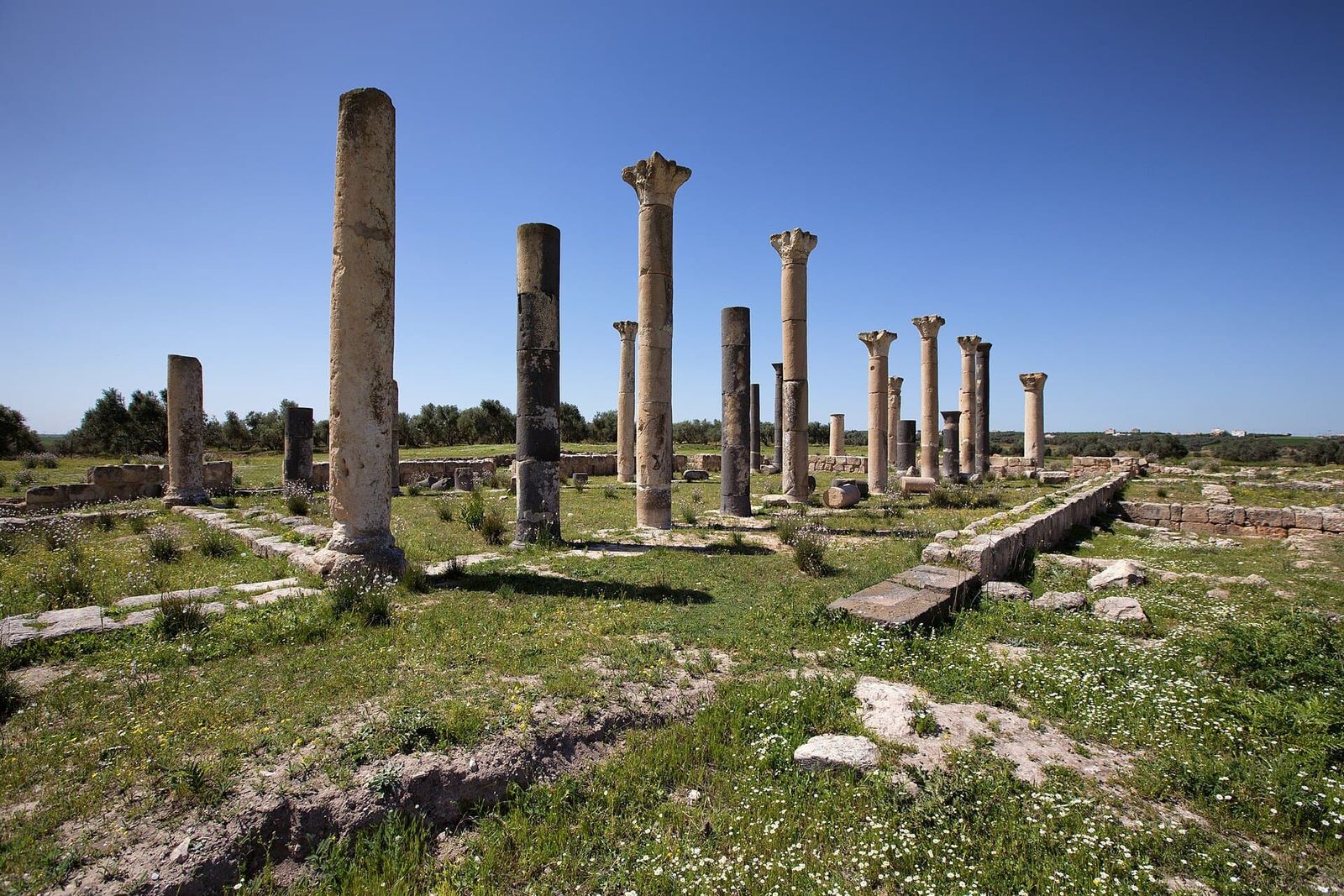
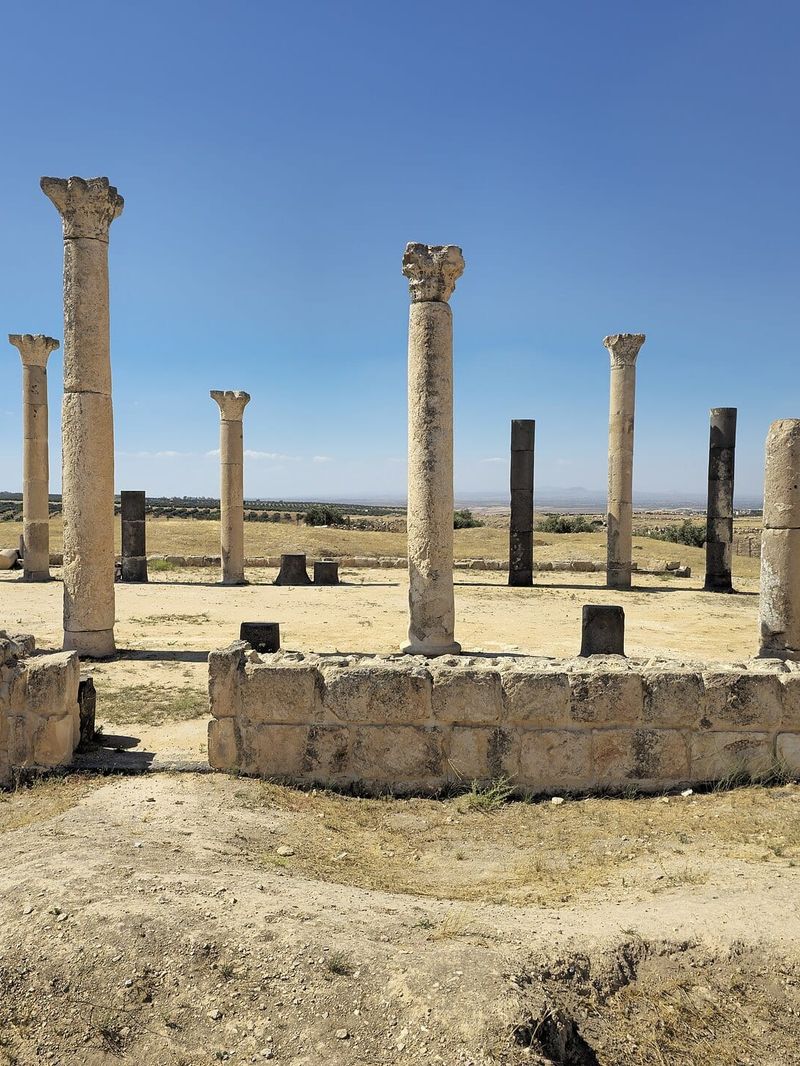
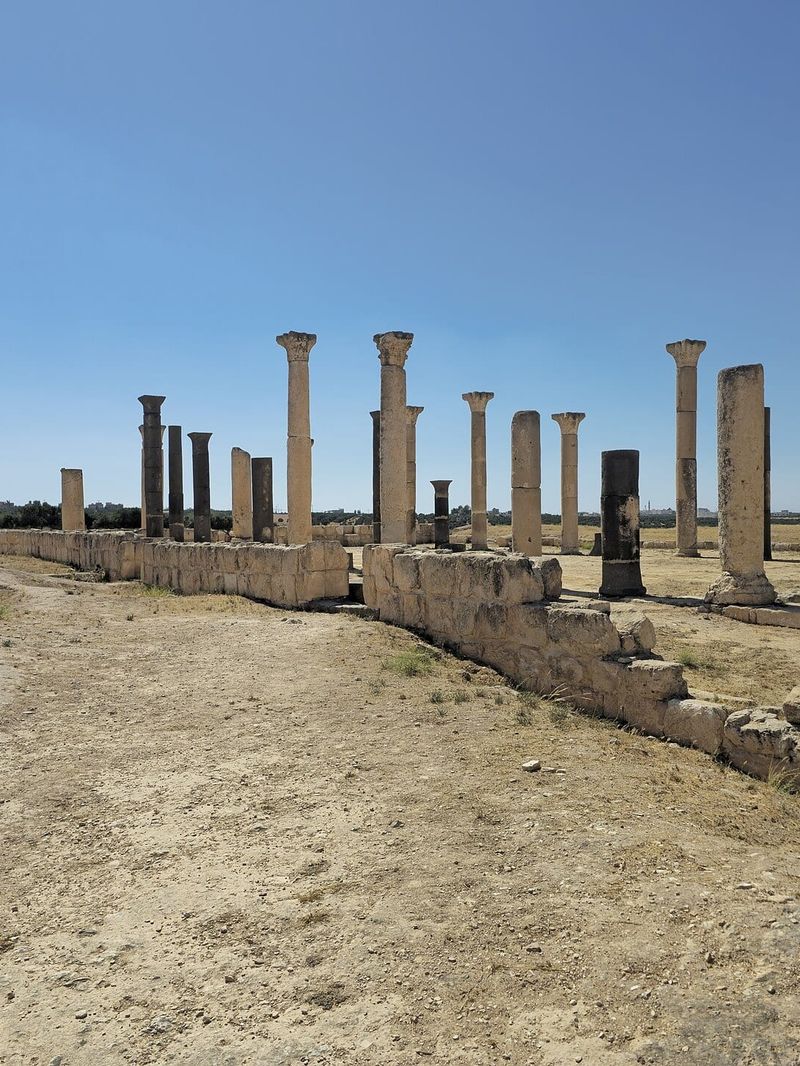
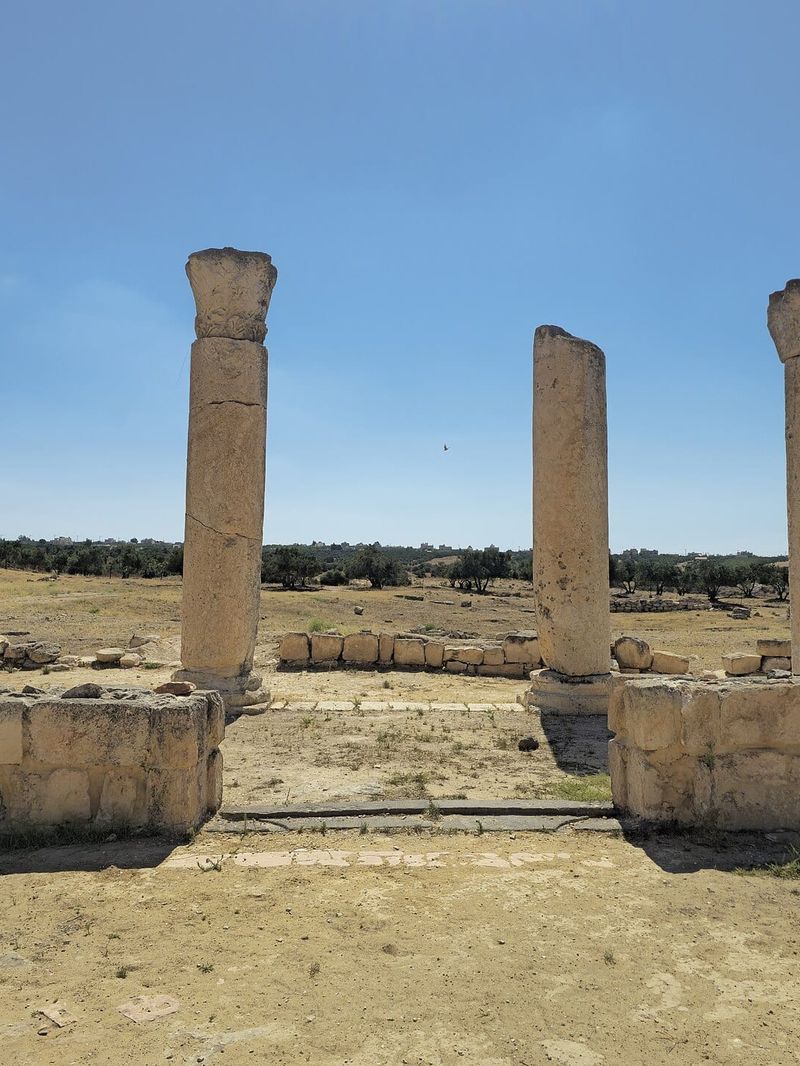
Rows of columns mark several Byzantine basilicas, some of them in alternating pale limestone and dark basalt. The city also had a Roman theatre, a colonnaded street, baths and an aqueduct. The slopes around the city are honeycombed with hundreds of rock-cut tombs. A few of them keep wall paintings of the Roman and Byzantine periods, with figures, animals, wreaths and Greek inscriptions.
Excavation
Systematic survey and excavation began in 1980. The site is on Jordan's tentative list for World Heritage.
Exhibo editorial
Abila is an unpolished site. No visitor centre, no crowds, olive groves at the edge of the ruins. In spring the hills turn green and the basilicas look as if they were left there as part of the landscape.
Ask about the painted tombs. If one is open, step out of the sun into the rock and look up at birds and garlands painted for the dead. It is a place to visit slowly.
Gallery
How to find it
About 15 km north of Irbid near the village of Hartha. Follow the signs for Quwaylibah and Abila. Park by the road between the two hills. The basilicas are on the southern hill, the tombs on the surrounding slopes.