Tell Deir Alla
An ancient mound in the Jordan Valley where a wall text about the seer Balaam was found in 1967.
The tell
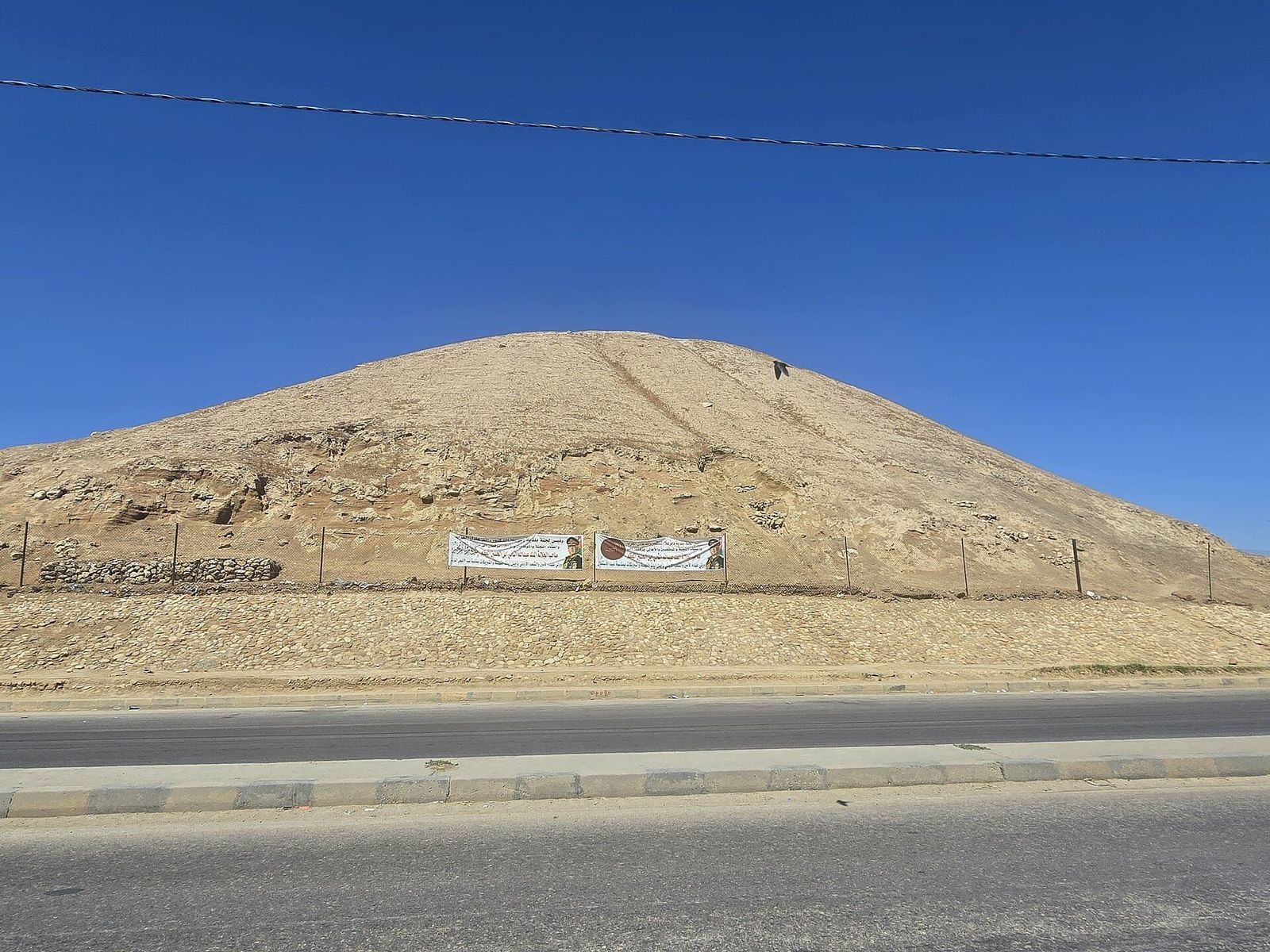
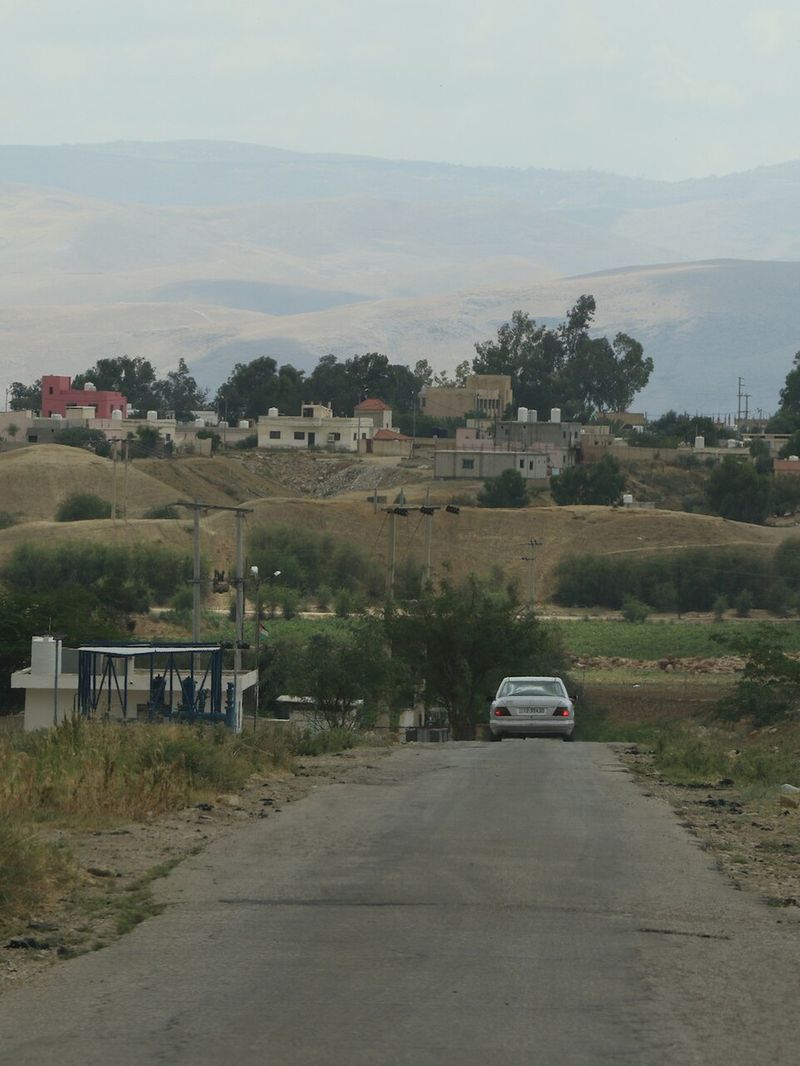
Tell Deir Alla is a large archaeological mound in the central Jordan Valley, near the meeting of the Jordan and Zarqa rivers. It was occupied through the Bronze and Iron Ages. It is sometimes identified with biblical Succoth, an identification no inscription from the site has confirmed.
The Balaam text
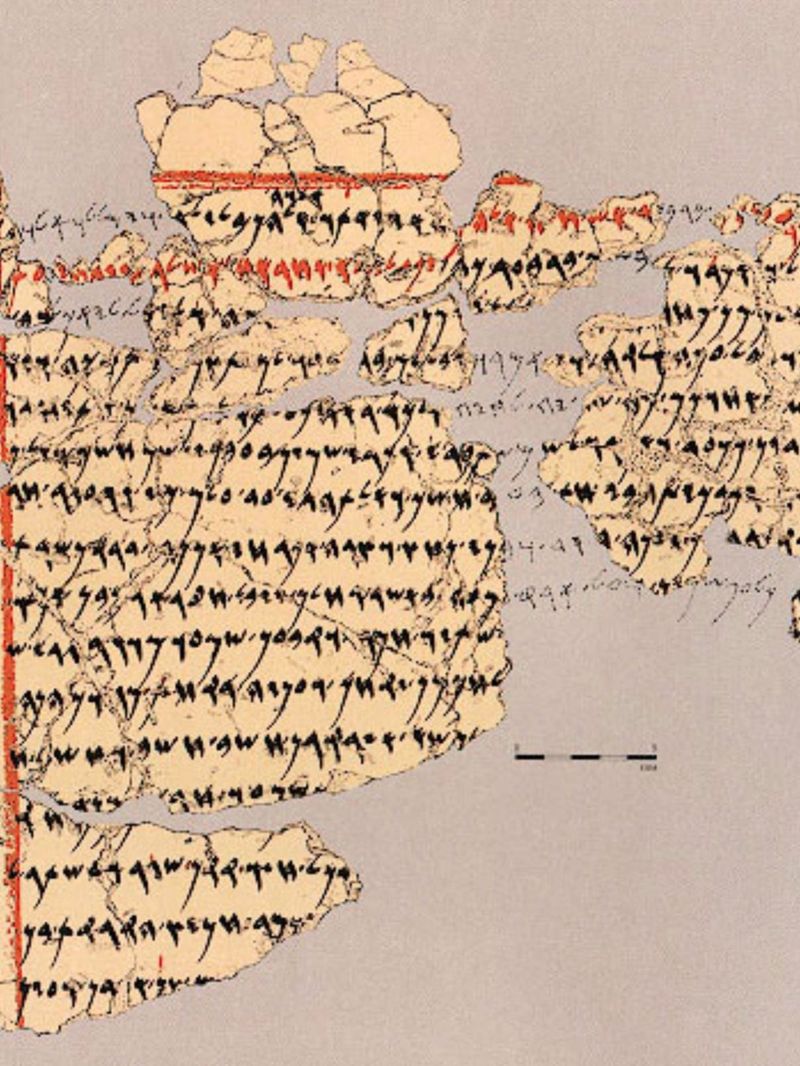
A Dutch expedition from Leiden University led by Henk Franken began excavating the mound in 1960. In March 1967 the team found fragments of a text written in black and red ink on the white plaster of a mudbrick wall. Some 119 pieces were recovered and took about a decade to piece together. The text is usually dated to the eighth century BC. It tells of a vision of Balaam son of Beor, a seer of the gods, who is warned of a coming disaster. Balaam is the same seer who appears in the Book of Numbers. The inscription is the first known text outside the Bible to name a prophet known from the Bible. The plaster fragments are now kept in Amman.
The site
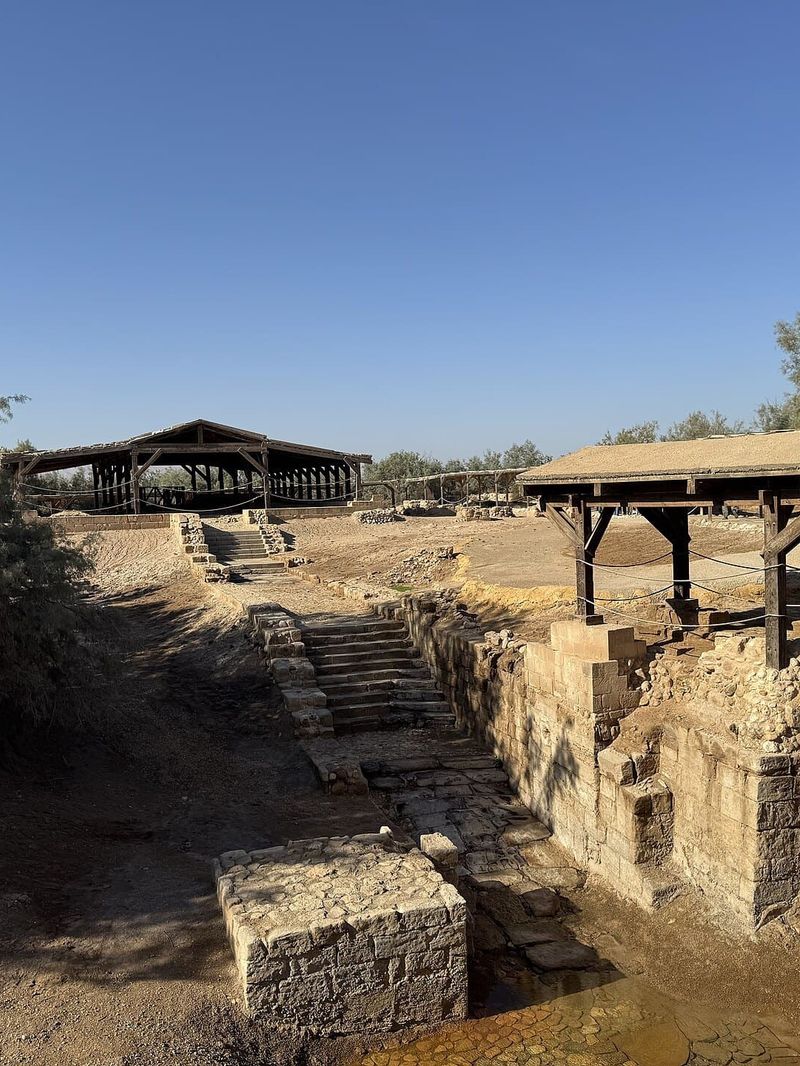
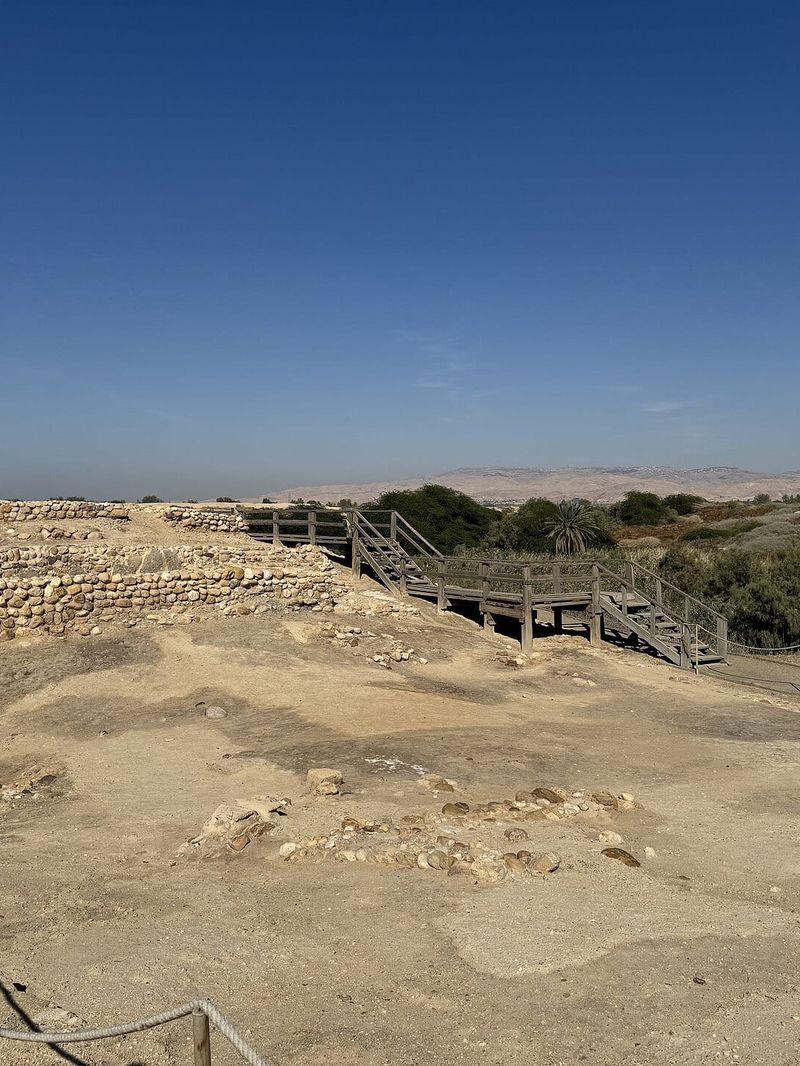
The mound holds remains of a Late Bronze Age sanctuary and Iron Age buildings. It is an open site above the farmland of the valley.
Exhibo editorial
At first sight it is a hill of earth in a valley of greenhouses. The find made here is one of the strangest in biblical archaeology: a story painted on a wall, in a local language, about a seer the Bible also knew. Not an echo of the Bible but a parallel voice.
Stop if you are driving north through the valley. Stand on the mound, look towards the river and think about who stood here reading that wall.
Gallery
How to find it
Beside the main Jordan Valley highway at Deir Alla, about an hour north of the Dead Sea. The mound rises on the edge of the town. Park by the road and walk up the path to the excavated areas.