
Directory listing — not yet managed by the museum. Spotted something wrong? Suggest an edit →
Quseir Fort
History of the Red Sea port of Quseir: Ottoman and French fort, trade, pilgrimage and Bedouin life
About
An Ottoman fort of 1571 on the Red Sea, restored as a visitor centre on the history of Quseir, its trade and its desert people.
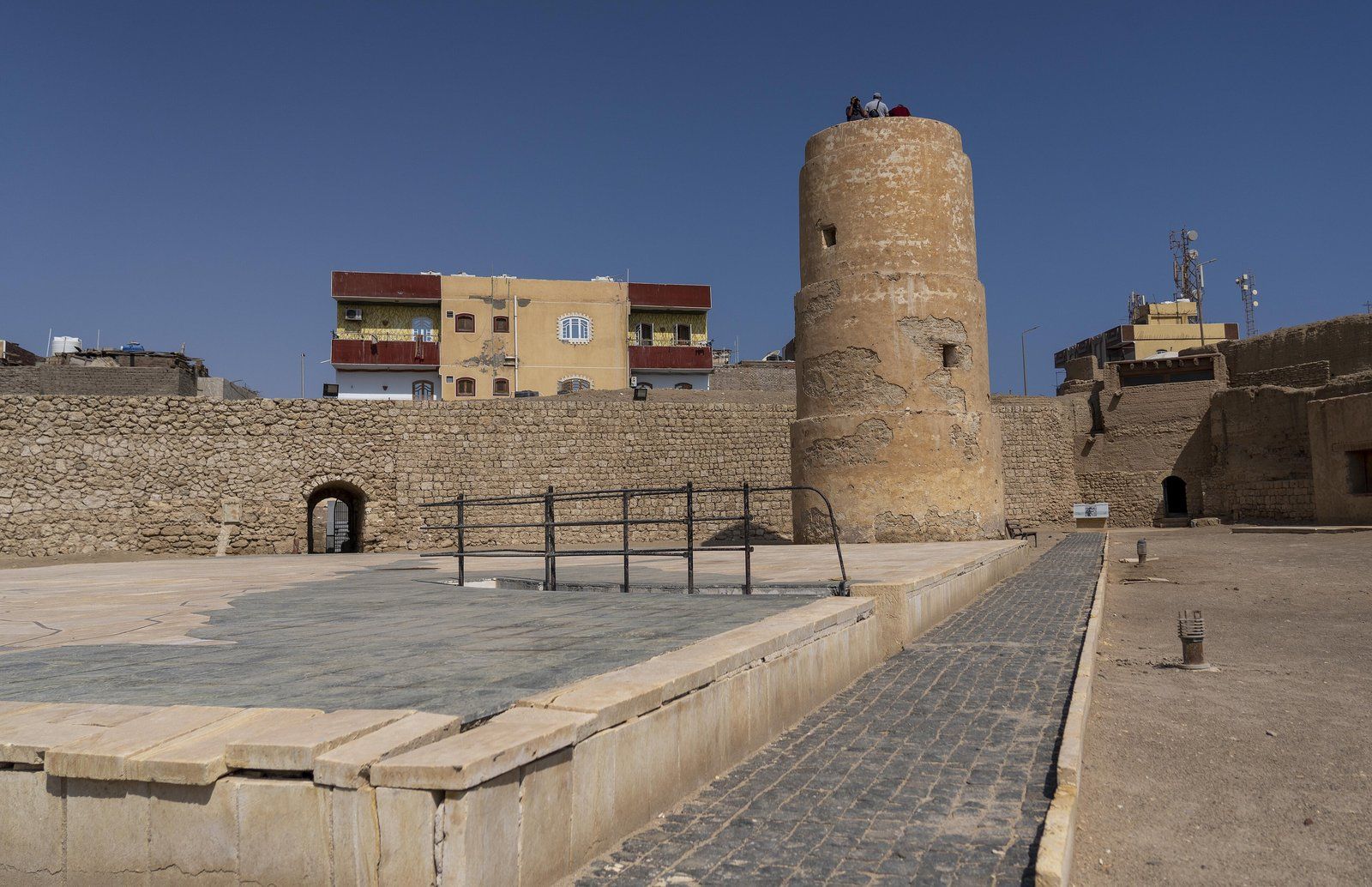
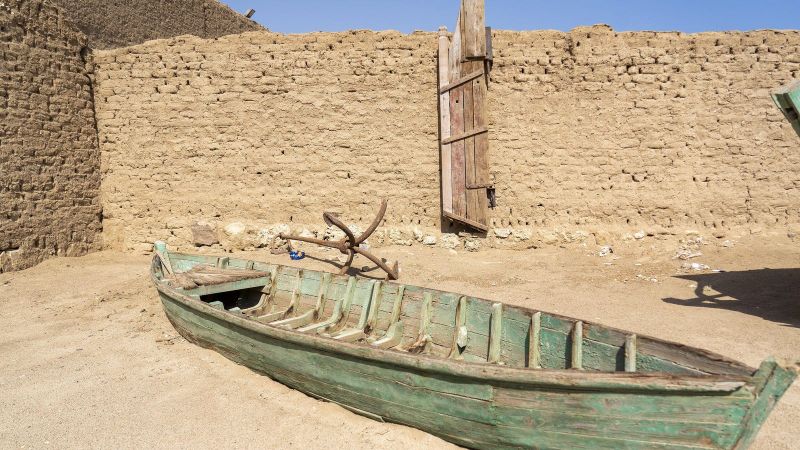
Quseir Fort is an Ottoman fortress in the centre of El Quseir, the old port on the Red Sea coast of Egypt. Since 1999 it has housed a visitor centre on the history of the town and the coast. Quseir lies at the narrowest point between the Nile and the Red Sea, about three hours by road from Luxor, which made it a harbour for trade and pilgrims for centuries. The Ottomans founded the new harbour and the fort in 1571, eight kilometres south of the older port of Quseir al-Qadim, which had served Roman and later Ayyubid shipping. The fort later fell out of use under pressure from the local Bedouin tribes. In 1799 Napoleon's army took the fort, rebuilt it for battle and held it through a three-day bombardment by the British Royal Navy. The French left in 1801. From 1816 the sons of Muhammad Ali used the fort as a base for their campaigns against the Wahhabis in Arabia. Quseir lost its trade to Suez in the 19th century. For decades the fort held a phosphate factory, then a coast guard station until 1975, when it was abandoned. In 1996 the American Research Center in Egypt began restoring it with funding from USAID. The work included excavation, conservation of the walls and towers and the design of the visitor centre. Finds from the excavation are shown inside: Ottoman tobacco pipes, Yemeni coffee cups and Far Eastern blue-and-white porcelain. Panels in the three surviving towers, the cistern, the watchtower and the courtyards explain defence, trade by sea and land and the pilgrimage route to Arabia. Displays also present Bedouin life in the desert behind the coast. In the courtyard stand phosphate wagons, a locally built pearl diving boat and the cannons that defended the fort in 1799. Six of the guns had been scattered around town, painted silver, until the restoration team brought them back. A British expert at the Royal Armouries identified them as 18th-century French, British and Dutch or Swedish pieces.
Why this museum matters
Exhibo editorial
The coffee cups tell the story faster than any panel. The cups came from Yemen and the porcelain from the Far East. Both reached this harbour by sea. From here the shortest road ran across the desert to the Nile. Quseir was a hinge between two worlds and the fort was built to guard it. Look closely at the cannons in the courtyard. They are a mixed set of French, British and Dutch or Swedish guns, the kind of collection a garrison put together at the edge of empire. For years some of them stood around town painted silver. Now they point at the street again. Climb the watchtower before you leave. From the top you look over the old town to the sea on one side and the desert on the other. The visit takes about an hour. Leave time for the old streets of Quseir around the fort.
Exhibitions
Current and upcoming shows at Quseir Fort.
Visit
Hours, tickets, and directions for Quseir Fort.
Address
Quseir Fort, El Quseir, Red Sea
Opening hours
No official opening hours or ticket prices are published. The visit takes about an hour. Please check before visiting.