
23 September 2026 — 17 January 2027
Cezanne and Us
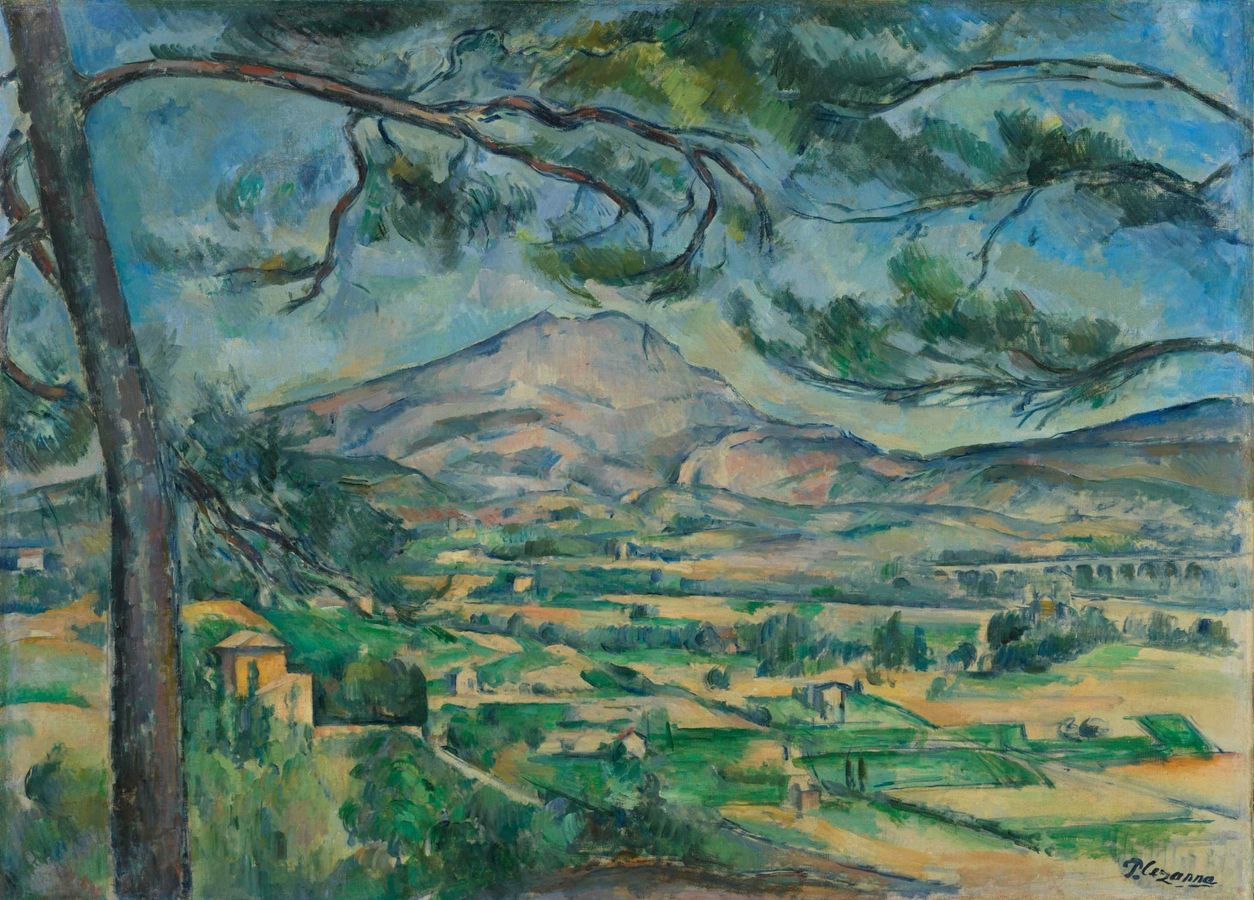
The Grand Palais presents an unprecedented exhibition devoted to Paul Cézanne (1839–1906) and his artistic legacy. Bringing together nearly 180 works by artists from Paul Gauguin, Henri Matisse, Pablo Picasso and Piet Mondrian to Joan Mitchell, Bridget Riley and Peter Doig, it shows how Cézanne’s work has been discovered, interpreted and transformed from the late nineteenth century to the present day. In the late 1880s, at a time when Cézanne himself had stopped seeking to exhibit, artists and collectors came across his paintings in Père Tanguy’s shop in Paris. There they discovered a formal radicalism that strengthened their own pursuit of a “pure” art already well on the way to abstraction. Recognition followed gradually, and his work came to be widely embraced. From the first monographic exhibitions organised by the dealer Ambroise Vollard to major museum and international shows – including the landmark posthumous presentation at the Salon d’Automne in 1907 – Cézanne emerged as one of the defining figures of modernity. His work became a touchstone for the avant-garde movements of the twentieth century, which questioned the relationship between painting and reality and found in his idea that “art is a harmony parallel to nature” an essential tool for thought. From Cézanne onwards, the triumph of modern art and of formalism – the reduction of painting to its fundamental elements of composition – was continually reworked and surpassed. Through Gauguin, Matisse, Picasso, Mondrian, Mitchell, Riley and Doig, and from lyrical and geometric abstraction to hard-edge painting, Cézanne has remained a constant point of reference: sometimes claimed, sometimes reinterpreted, always debated. In the age of postmodernism, his status as the “father of modern art” continues to be called into question. Cezanne and Us is the first exhibition to tell this double story at once: that of Cézanne’s fundamental influence and, in counterpoint, that of the artists who claimed him as their own. It reveals a complex, many-sided history shaped by appropriation, artistic lineage and aesthetic tension, inviting visitors to see Cézanne through the successive perspectives he has inspired – culminating in our own contemporary gaze.
Tickets
Included with museum admission
Check the museum profile for general admission details.