
Directory listing — not yet managed by the museum. Spotted something wrong? Suggest an edit →
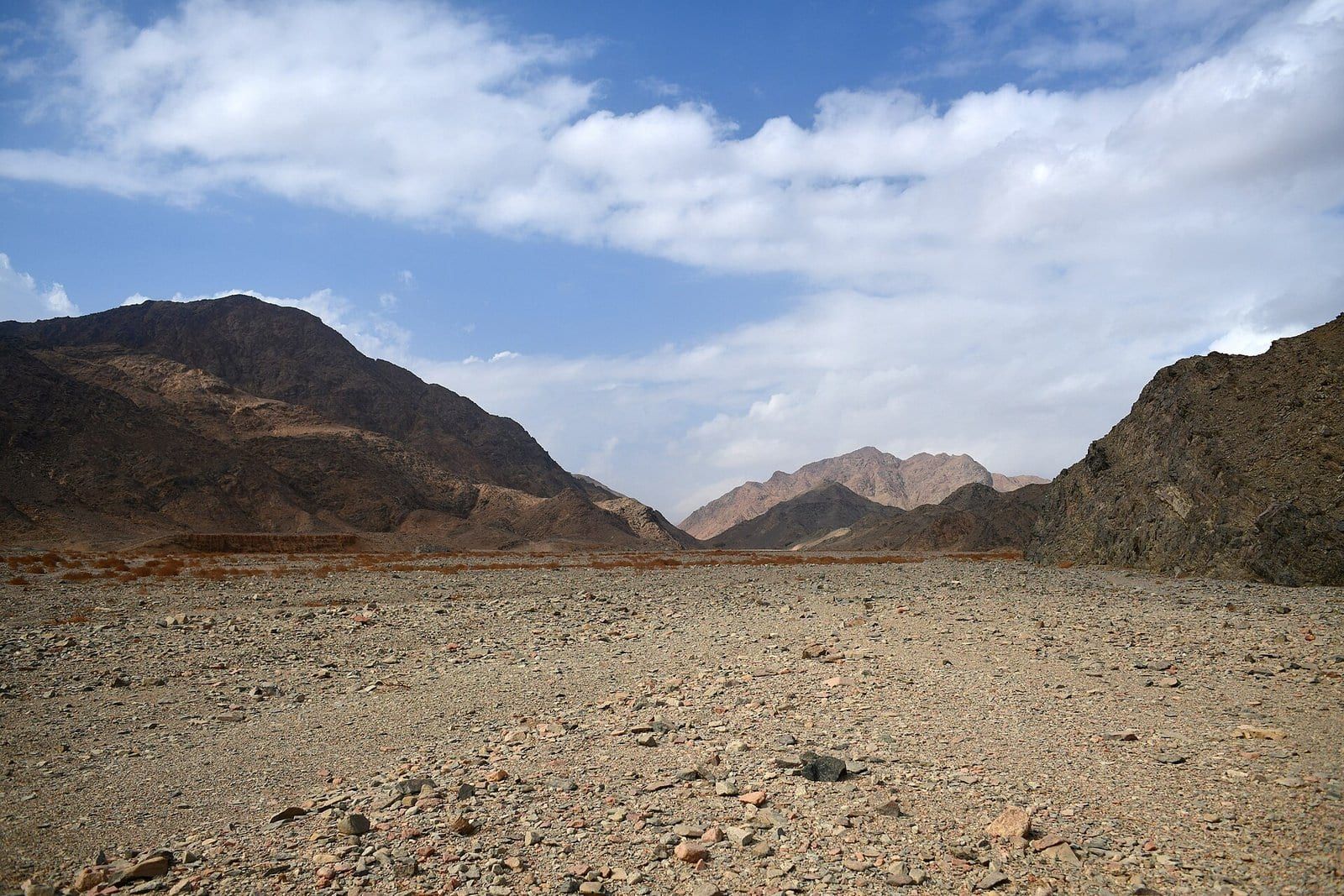
Beyt Ababda, House of the Ababda
Life and heritage of the Ababda people of the Eastern Desert: coffee, camels, jewellery and the woven mat house
About
A small heritage centre in Wadi el Gemal National Park where the Ababda people of the Eastern Desert show their own way of life, chosen and described by them.
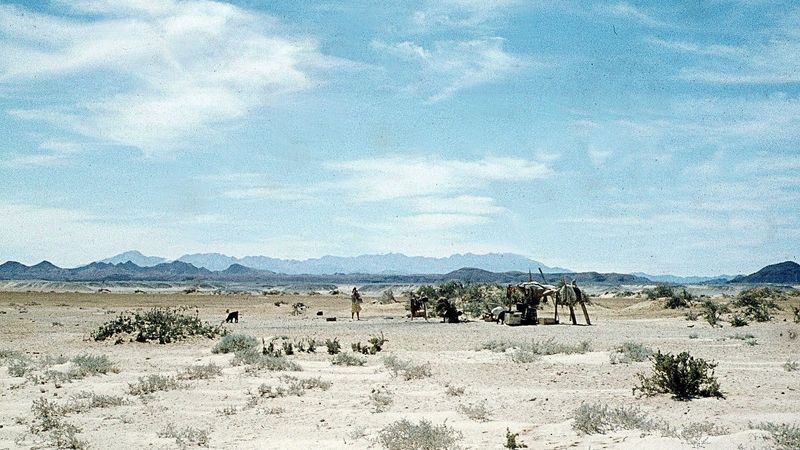
Beyt Ababda, the House of the Ababda, is a heritage centre in the foothills of Wadi el Gemal National Park, south of Marsa Alam on the Red Sea coast. It opened in December 2006 after about ten years of research carried out together with the Ababda, the people who have lived in this part of the Eastern Desert for a very long time. The project began in 1996, when Ababda families asked archaeologists working at the ancient port of Berenice to help them record their way of life for their grandchildren and for the rest of the world. What followed was unusual. The Ababda chose the objects themselves. Groups of men and women sat together, drew each object and explained what it was for and why it mattered. Both men and women named the coffee set first, because in the desert coffee was how news travelled. The men then named everything to do with camels. The women named jewellery and the house itself, the woven mat tent called beyt bursh. The collection that came out of this work is shown in a small stone building near the park's visitor centre. Part of it is also on display in the museum in the Ottoman fort at El Quseir. Before Beyt Ababda opened, part of the collection travelled to an exhibition in Rotterdam in 2002 and 2003 and then came home. Researchers who described the centre saw it as one of the first heritage centres in Egypt to bring the cultural and the ecological story of a place together, for local people as much as for visitors. Since 2019 it has been part of a project of the Abu Ghosoun Community Development Association, run from the Ababda village inside the park.
Why this museum matters
Exhibo editorial
Start with the coffee set. It explains everything else in the room. A guest sat down, coffee was made and the talk went on for as long as the coffee lasted. In a desert without phones, that was the news. Then find the mat house. Only when the researchers bought one for the collection did they learn how much was tied to it: which family could use which trees in which valley and who could marry whom. A house here was also a map of rights. The Ababda have one rule that you will hear from anyone in the valley. Use only dead wood. A living acacia is never cut. Look at the trees on the drive in and you will see why it matters. Wadi el Gemal lies about 50 kilometres south of Marsa Alam. Combine the visit with the park and with the village of Abu Ghosoun, named one of the UN Tourism Best Tourism Villages in 2024.
Exhibitions
Current and upcoming shows at Beyt Ababda, House of the Ababda.
Visit
Hours, tickets, and directions for Beyt Ababda, House of the Ababda.
Address
Wadi el Gemal National Park, south of Marsa Alam, Red Sea
Opening hours
No fixed opening hours are published. The centre is run with the local Abu Ghosoun Community Development Association. Please check with the park before visiting.