Dubai · 23/09/2026
Nada Elkalaawy: The Butterfly's Burden
A solo exhibition of new paintings by the Egyptian artist, titled after Mahmoud Darwish
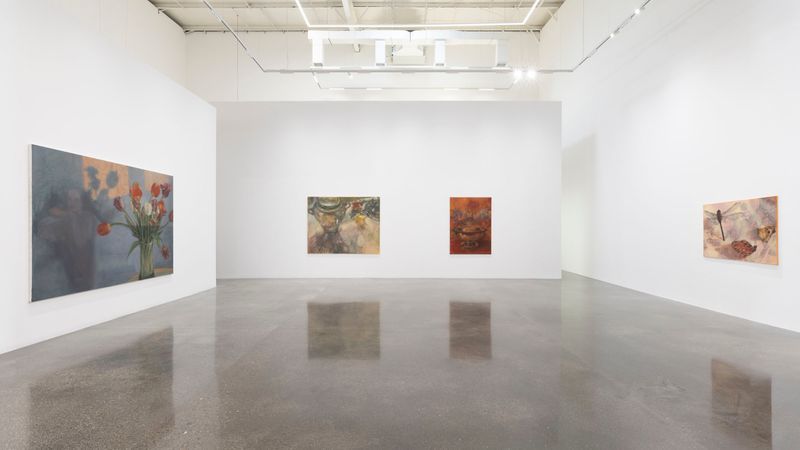
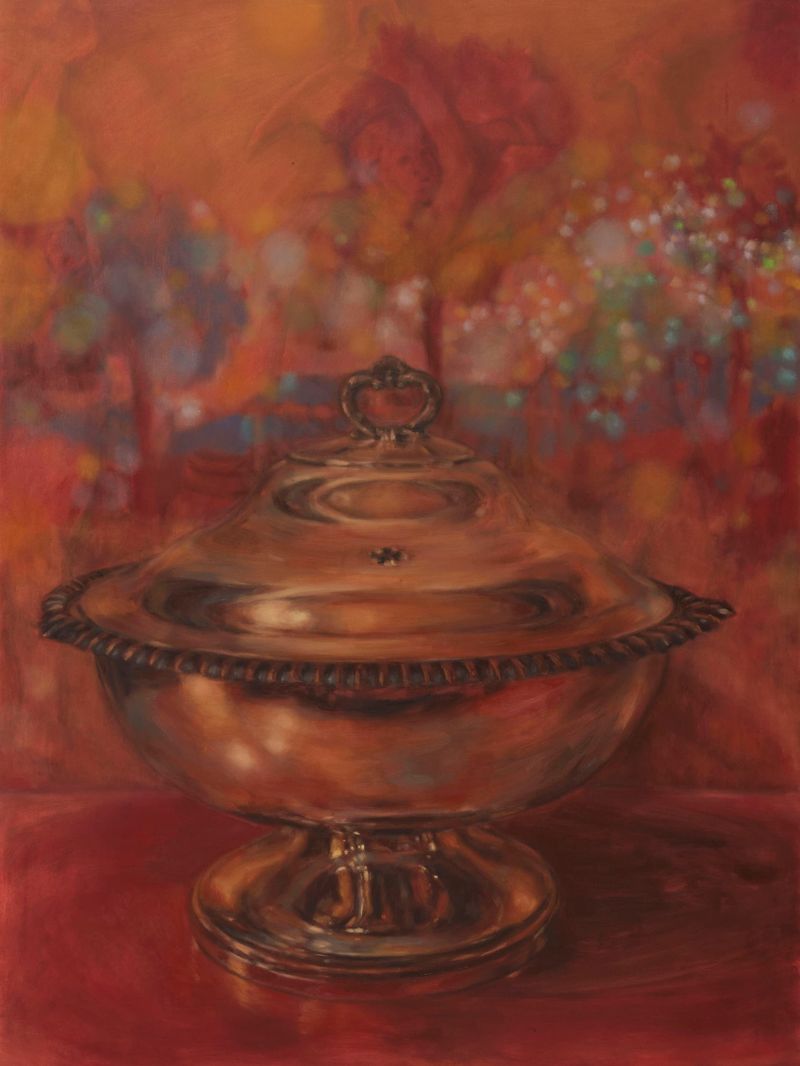
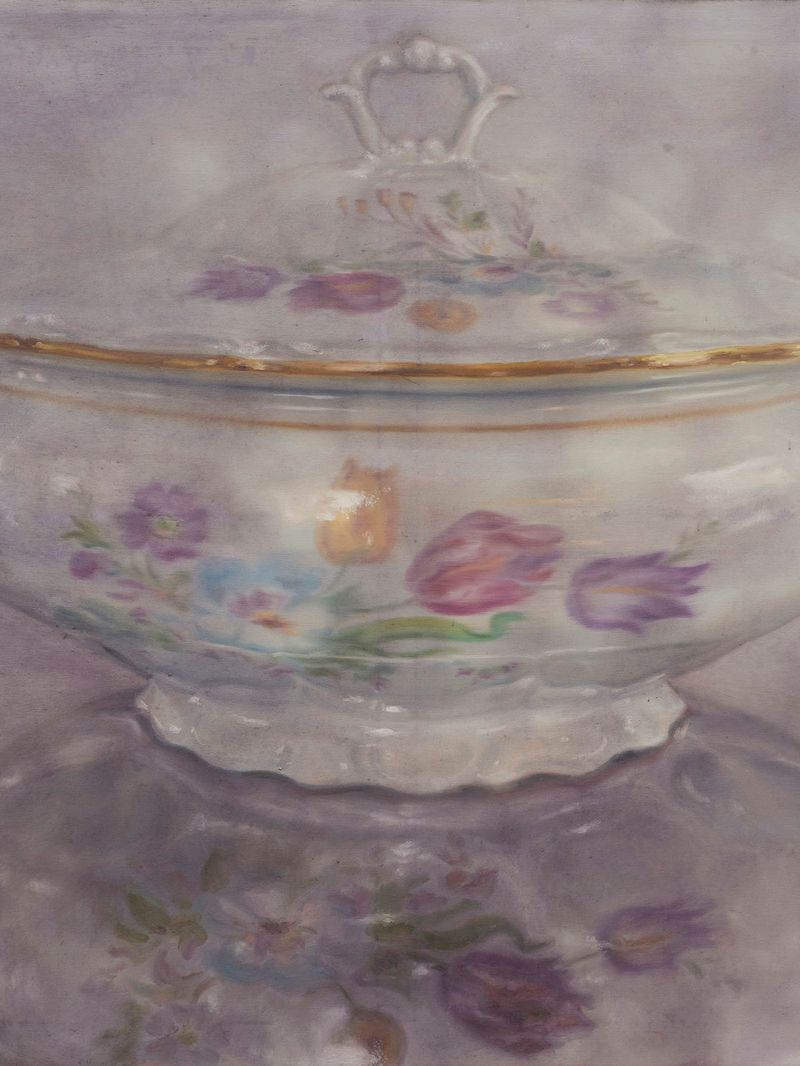
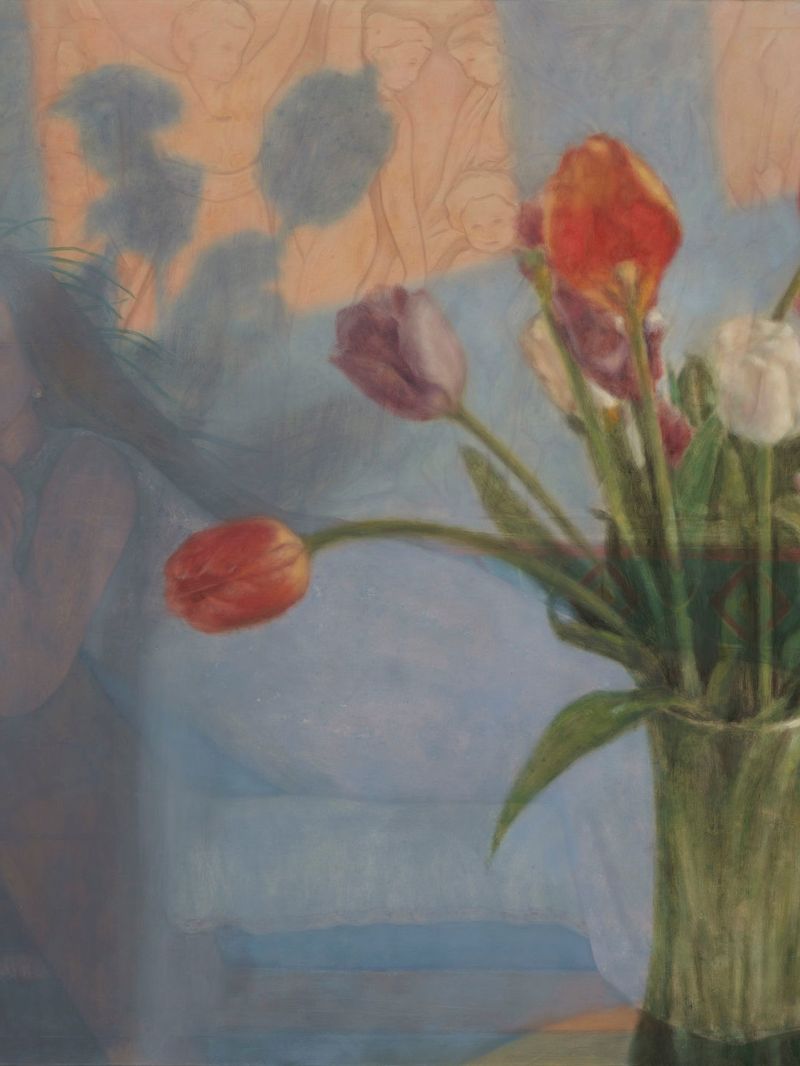
Lawrie Shabibi presents The Butterfly's Burden, a solo exhibition by the Egyptian artist Nada Elkalaawy, on view from 23 September to 7 November 2026. Taken from the poetry of Mahmoud Darwish, the title speaks to the tension between sensitivity, beauty and emotional weight. Across a body of paintings built through layered processes of accumulation and erasure, Elkalaawy explores memory, loss, regeneration and the passage of time. Ephemeral forms — flowers, butterflies, domestic vessels, family photographs and ghostly figures — hold traces of shared human experience, drifting between past and present, presence and absence. Her practice rests on the relationship between memory, representation and materiality. Drawing on a personal photographic archive gathered over many years — family albums, still lifes, auction catalogues and found images — she constructs compositions that blur the lived, the remembered and the imagined. Through collage, reworking and painterly methods, these fragments are lifted from their original contexts and absorbed into new configurations. The paintings are not direct depictions of particular memories or stories but spaces where personal and collective histories, and multiple temporalities, can coexist. Drawing is fundamental to the process. Almost every work begins as a sketch, with charcoal and graphite used to prepare and explore before the image develops in paint; charcoal in particular allows for rapid shifts in tone and gesture. Painting then becomes a space of mystery and transformation, where the artist deconstructs and reassembles fragments of time in search of new relationships between images. Veiling and pentimento lie at the heart of her method. Layers of translucent paint obscure and interrupt forms, creating shifting depths in which images surface, recede and dissolve. Withholding information slows the act of looking and sets up a tension between visibility and concealment. Earlier gestures and images stay embedded beneath the surface, especially where older canvases and unfinished works are reworked — traces that act as metaphors for memory itself, unstable, fragmentary and always in motion. From this process ghostly figures have emerged in the backgrounds of several paintings, hovering at the edge of visibility yet stubbornly present, like memories that refuse to be forgotten. Alongside them, recurring motifs carry emotional and symbolic weight: flowers stand for tenderness, beauty, regeneration and mourning, while silverware, tureens, candelabras, porcelain figurines, urns and fragments of interiors serve as repositories of memory and human presence. These are not static still-life elements but charged forms that evoke ritual, preservation, longing and care. The figures within these constructed spaces often seem suspended between clarity and dissolution, as if remembered rather than seen. Shadows, reflections and glare further unsettle the image, introducing ambiguity between what is shown and what is hidden. By detaching objects and figures from their original settings, Elkalaawy opens a space for invention and reinterpretation, letting familiar images take on new associations. The repetition of motifs across compositions, scales and configurations deepens this inquiry into memory and representation; her use of illusion, whether through realism or manipulation of the image, resists any single reading, and painting becomes a place where histories accumulate, vanish and resurface, and where fact and fiction remain deliberately entangled. The works in The Butterfly's Burden grew out of the artist's own recent experience of loss and grief, while also giving form to hope. They are structured by dualities — foreground and background, familiarity and strangeness, joy and sorrow, hope and despair, life and death — and their narratives are intentionally open, untethered from any specific place or moment, so that personal experience can widen into reflection on human connection. The butterfly is the central metaphor. A symbol of freedom, transformation and the brevity of life, it is shown here as bearing a burden: grief, longing, remembrance and the duty of carrying forward what must not be lost. Just as the butterfly becomes almost unrecognisable from its earlier form, Elkalaawy's paintings find renewal through letting go — earlier images are concealed, altered and absorbed, yet persist beneath the surface. Moving continually between preservation and loss, Elkalaawy approaches painting as a form of world-building, creating spaces where absence and presence, fragility and strength, past and present stay in dialogue. Rooted in personal sources, the works reach towards experiences beyond the individual — togetherness and loneliness, love and grief, vulnerability and resilience, and the search for one's place in the world — proposing painting as a space where memory can be made material, carried and renewed.