
London · United Kingdom
Unmasking the Queen of Crime: Agatha Christie at the British Library
How personal archives and global journeys shaped the architect of modern detective fiction
Unmasking the Queen of Crime
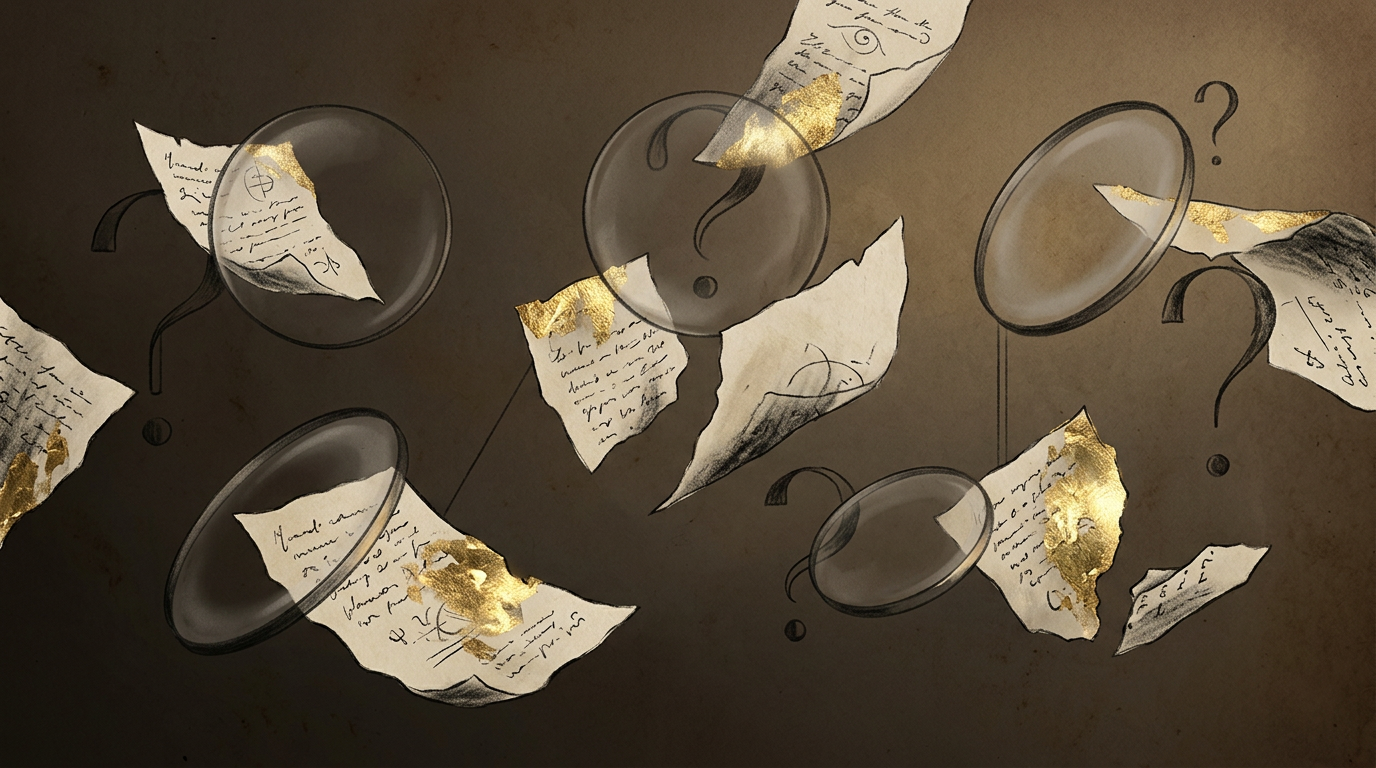
The British Library is preparing to turn its analytical gaze toward literature's most enduring puzzle creator. Opening in late autumn, the institution's forthcoming exhibition dedicates itself entirely to Agatha Christie, moving past the well-trodden plots of her bestsellers to investigate the human mind behind them. Scheduled to run from 30 October until 2 June 2027, the London-based presentation aims to trace the precise intersections between the author's personal history and her fictional constructions. Rather than simply displaying manuscripts, curators have designed a journey that examines how her extensive travels, private passions, and everyday observations directly shaped the atmospheric settings and psychological depth of her most celebrated narratives.
Beyond the Page: Personal Archives and Travels
Central to the project is an extensive collection of previously unseen or rarely exhibited archival material. Visitors will encounter intimate portraits documenting Christie's early years, including candid snapshots taken at the family residence in Torquay along England's southern coastline. These images are complemented by lighter domestic scenes, such as photographs showing the writer enjoying roller skates alongside companions during her youth. Perhaps more surprisingly, the display incorporates evidence of her adventurous spirit far from the quiet English countryside. A striking photograph records her attempting to surf in Hawaii during 1922, accompanied by a carefully crafted replica of the actual board she wielded. Such artefacts underscore a frequently overlooked dimension of her biography: a woman whose curiosity extended well beyond typewriters and inkwells, actively engaging with global cultures long before they became standard backdrops for her whodunits.
Sculptural Homages and Cultural Legacy
The exhibition also acknowledges how contemporary creators continue to reinterpret her public image. While Christie remains primarily associated with printed pages, visual artists have steadily constructed three-dimensional tributes to her legacy. Notably, sculptor Elisabeth Hadley recently unveiled a bronze effigy in Torquay that captures the novelist seated beside her beloved terrier, Peter. This recent addition to the town's cultural landscape demonstrates how local communities still seek to memorialise her physical presence, bridging the gap between literary iconography and tangible public art. By situating her written output within broader artistic conversations, the British Library encourages audiences to consider how storytelling transcends medium, evolving through photography, sculpture, and archival preservation alike.
What Visitors Can Expect
For those planning a pilgrimage to London next winter, the presentation offers more than nostalgic trivia. It functions as a critical study of narrative architecture, demonstrating how lived experience fuels imaginative invention. Whether examining the meticulous research behind Murder on the Orient Express or analysing the geographical influences woven into Death on the Nile, the curation invites readers to reconsider familiar tales through a newly biographical lens. As mystery enthusiasts and literary scholars alike prepare to navigate the gallery spaces, the exhibition stands as a timely reminder that every great detective story begins with a real person observing the world with acute attention.
Related reading

A Marketing Mismatch Over Impressionist Iconography
Why a Eurostar campaign overlooks a major London loan
Young Dealers Reshape the Historical Art Market
How a new generation is navigating high costs, family legacies, and shifting aesthetics in the Old Masters sector
A Quiet Intervention: Bagri Foundation's Springboard Debut in Marylebone
Nomin Zezegmaa's immersive installation transforms St Cyprian's church into a sanctuary of sound and textile