
London · United Kingdom
Audrey Amiss Finally Gets Her Due at Wellcome Collection
A landmark exhibition restages the self-organised shows of an artist who channelled lived experience of the psychiatric system into a prolific creative practice.
A Life Lived Through Art and Activism
Audrey Amiss (1933–2013) won a scholarship to the Royal Academy of Arts in the 1950s and studied painting until a mental health crisis, followed by encounters with psychiatric treatment, interrupted her final year. She never stopped making work. Alongside a career in the Civil Service and later in retirement, Amiss continued to paint, exhibit and sell art — yet the full breadth of her output remained largely hidden during her lifetime.
That changed after her death, when her extensive archive was donated to Wellcome Collection in 2014. Now, Audrey Amiss: The Surviving Exhibitions, opening 10 July 2026 and running through 7 February 2027, marks the first museum presentation devoted to her work.
Restaging a Practice
The show centres on pieces that records indicate Amiss exhibited or intended to share publicly. Drawing on posters, artwork lists and other documentation, the curatorial team has reconstructed three of her self-organised exhibitions as faithfully as possible: Drawings and Watercolours from the 1960s by Audrey Amiss (1989), Fireworks: A Protest Exhibition (1989), and Drawings from a Locked Ward (The Snakepit) (2002).
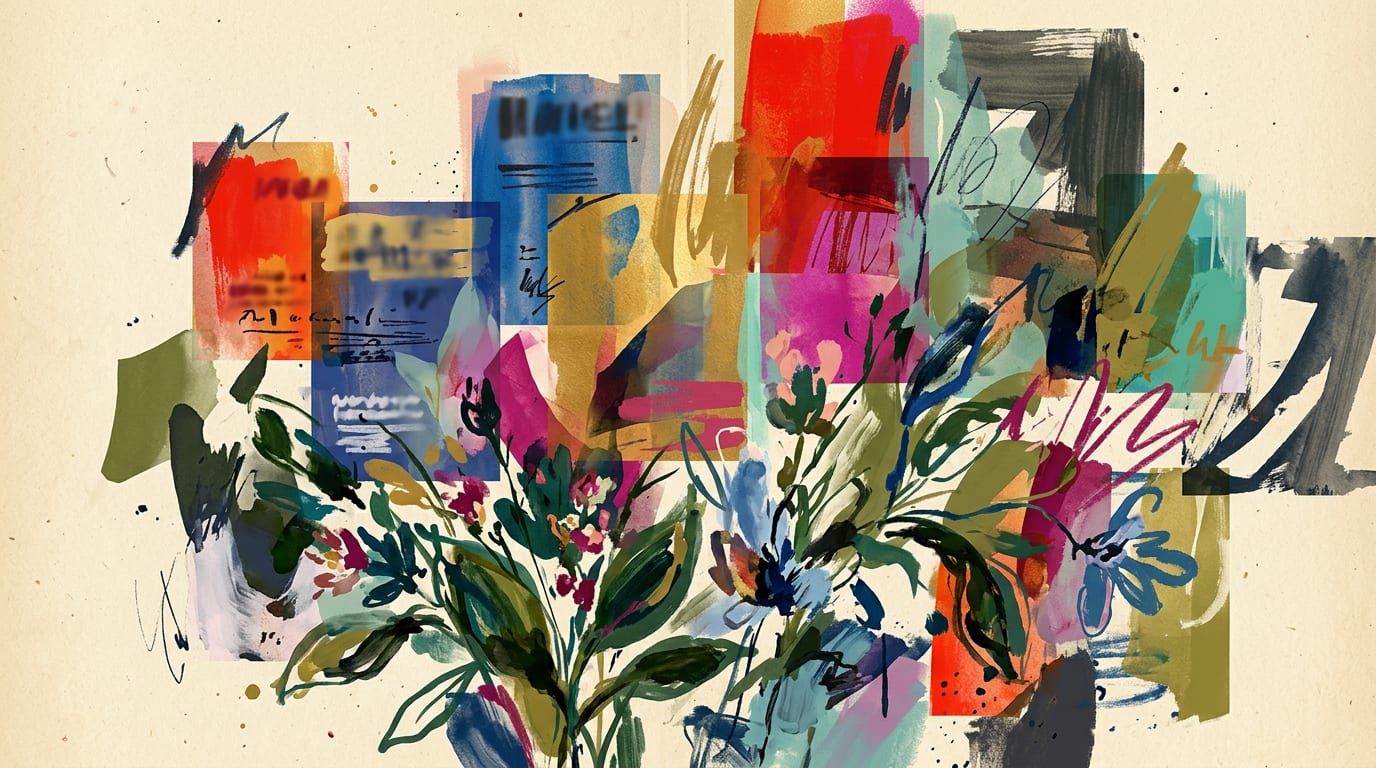
Born in Sunderland, Amiss exhibited with artist societies from the 1950s onward and began staging solo shows in the 1980s. She worked frequently from life, capturing London street scenes, figurative compositions and still-lifes rendered with loose, abstract brushwork. Her vibrant paintings and observational drawings reflect her academic training, while protest signs and works shaped by her involvement with Survivors Speak Out and Mad Pride reveal a practice deeply entwined with campaigning for change in mental health care.
Lived Experience at the Centre
Sumitra Upham, Associate Director of Curatorial and Public Practice at Wellcome Collection, noted that the exhibition reveals Amiss as a prolific artist who exhibited widely and used her creative output as a tool of advocacy. The project was developed alongside lived-experience advisors, and Upham emphasised that both the show and Amiss's archive offer a vital counterbalance to Wellcome's historically medical-professional-dominated collections by foregrounding lived experience.
A Broader Reckoning
The Wellcome presentation runs in parallel with Intimacies of Care—Spaces of Grief and Possibility, a solo exhibition by multidisciplinary artist Rudy Loewe (b. 1987), who creates spaces of hope while reimagining a more equitable and supportive mental health system.
Later this autumn, the Northern Gallery for Contemporary Art in Sunderland will stage its own exhibition rooted in Amiss's lifelong connection to her hometown, drawing on works and materials from her archive. Together, these projects signal a growing institutional willingness to reckon with whose stories collections have traditionally centred — and whose they have overlooked.
Related reading

Bridging Japanese Craftsmanship and Contemporary Design
How international makers engage with Tokai's industrial heritage at the V&A
An exploration of how global designers collaborate with Japanese artisans to fuse ancestral techniques with modern conceptual frameworks.

Why Heidi Gallery Has Traded Berlin for London's Maddox Street
Pauline Seguin explains the economic and cultural drivers behind Heidi's transcontinental move.
From shrinking municipal budgets to shifting collector habits, the dealer details why Berlin's appeal has faded and London's allure endures.
Mohammad Alfaraj: The Heart Is a Bird's Nest, the Brain Is a Spider Web
First European institutional solo explores cross-species kinship and domestic ecologies
Mohammad Alfaraj's latest showcase at the Delfina Foundation merges multimedia installations with regional folklore to reimagine shared habitats.