
Paris · France
Paris Picasso Museum Unveils Designers Shortlisted for €55m Sculpture Garden Project
Five international practices compete to transform the Marais courtyard into a dedicated outdoor gallery by 2030
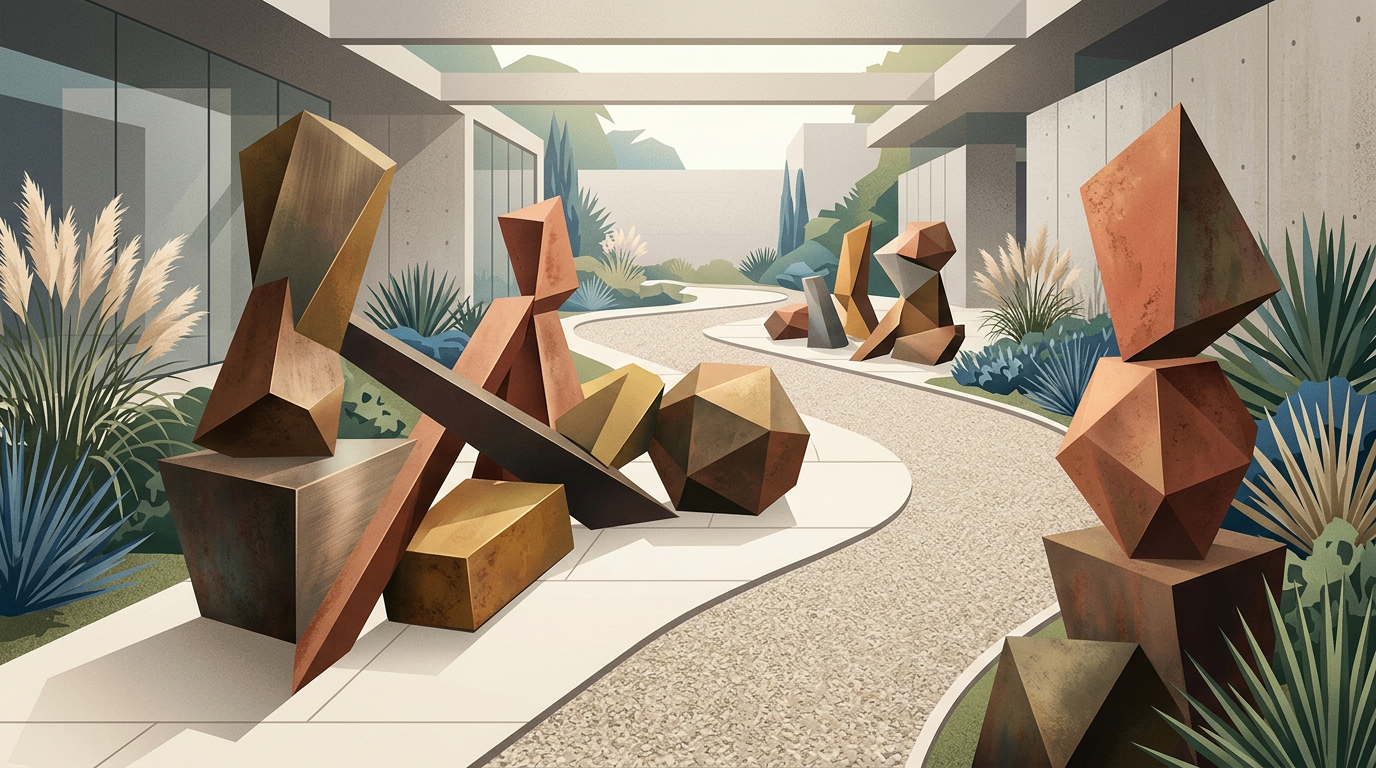
The Musée National Picasso‑Paris has officially announced its shortlist for a major landscape architecture competition aimed at transforming the institution's grounds into a dedicated outdoor gallery. Unveiled on 11 September alongside the artist's daughter Paloma Picasso, the selection features five international practices tasked with designing what the museum describes as a premier space for displaying Pablo Picasso's three-dimensional works by 2030.
A New Outdoor Gallery for the Marais
The selected studios will vie for the commission to curate approximately ten significant bronze casts within the courtyard situated behind the museum's historic seventeenth-century townhouse in the Marais quarter. An international panel is scheduled to announce the victorious practice by January next year. As director Cécile Debray explains, the broader renovation scheme encompasses converting a ground-floor passage into an eight-hundred-square-metre display area, while adjacent wings will be adapted to accommodate retail and dining facilities.
Funding and Familial Collaboration
This ambitious fifty-five-million-euro initiative relies on a tripartite partnership involving the municipal authorities, the Picasso estate, and the Don Quixote Foundation. Established by Dutch investor Rolly van Rappard, the philanthropic body has committed sixty million euros alongside a substantial roster of long-term loans. To secure initial capital, the museum successfully marketed four newly authorised bronze reproductions to the Dutch organisation. These pieces will eventually travel to Amsterdam, where they will form part of a forthcoming pavilion at the Rijksmuseum.
Historically, the Picasso family maintained strict controls over posthumous casting, yet Paloma Picasso confirmed that their stance shifted specifically to enable this venue expansion. The recently authorised editions include La chèvre (1952), La guenon et son petit (1951), a 1930 portrait bust, and Petite fille sautant à la corde (1950). Each work reflects the creator's characteristic approach to unconventional materials, utilising everyday objects such as kitchenware, footwear, and wicker containers rather than traditional modelling clay.
Reclaiming Public Space
While the institution already safeguards roughly three hundred and fifty sculptural pieces, Paris itself remains notably devoid of large-scale outdoor monuments bearing his name. Apart from a modest relief in Saint-Germain-des-Prés, visitors searching for his public artworks must look elsewhere. The new garden programme seeks to rectify this absence, aligning with Paloma Picasso's stated belief that her father consistently advocated for his three-dimensional creations to remain accessible to everyday audiences.
To complement the outdoor displays, the museum has also commissioned additional editions through the Swiss workshop Saint Gallen. Among these is Femme au jardin (1929–30), a towering painted metal figure originally conceived as a tribute to Guillaume Apollinaire and developed alongside collaborator Julio Gonzalez. Though initially deemed too radical for its intended memorial purpose, the work now stands ready to anchor the upcoming landscape redesign. By merging archival preservation with contemporary horticultural design, the project promises to elevate a historically overlooked facet of the artist's legacy into a vibrant civic destination.
Related reading
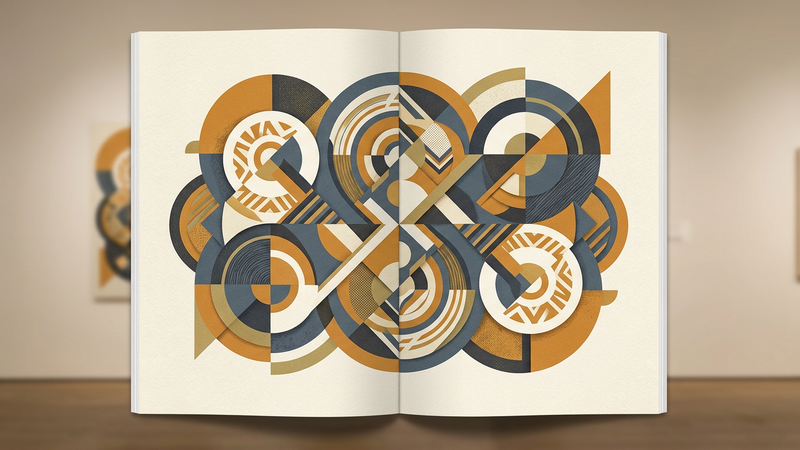
Gustave Fayet: Collector—Artist Designer
A comprehensive survey at the Fondation Louis Vuitton reuniting collected masterpieces with the designer's own studio practice.
The Paris institution expands its patronage series with a dual-focused examination of Gustave Fayet, bringing together hundreds of acquired works and restored creations to chart his impact on early modernism.
The Real Aladdin: The Story That Belonged to No Country
Aladdin has no Arabic manuscript older than its French translation. Behind the gap stands a young man from Aleppo, catalogued for a century as anonymous.
The most famous "Arabian" tale in the world is missing from the oldest Arabic manuscript of the Thousand and One Nights — because before a French translator wrote it down in Paris, there was no manuscript of it to be missing from.
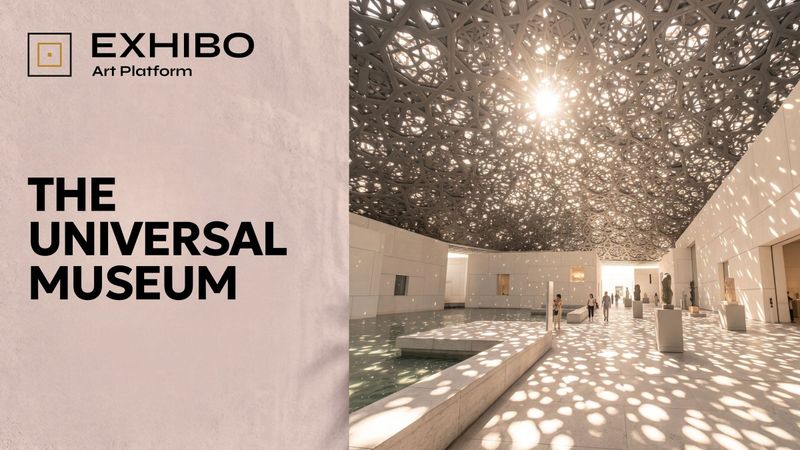
The Universal Museum, Rebuilt on Arab Soil
How Abu Dhabi took one of the West's most contested ideas — the museum that claims to hold all of humanity — and moved the question of who gets to frame the world
A portolan chart in the floor, three ewers without a hierarchy, and a $450-million Leonardo no one has seen since it was bought. The Louvre Abu Dhabi is a French–Emirati experiment in what the universal museum becomes when it is rebuilt from a different centre — and whether that moves the centre, or merely moves the Louvre, is the question the building leaves open.